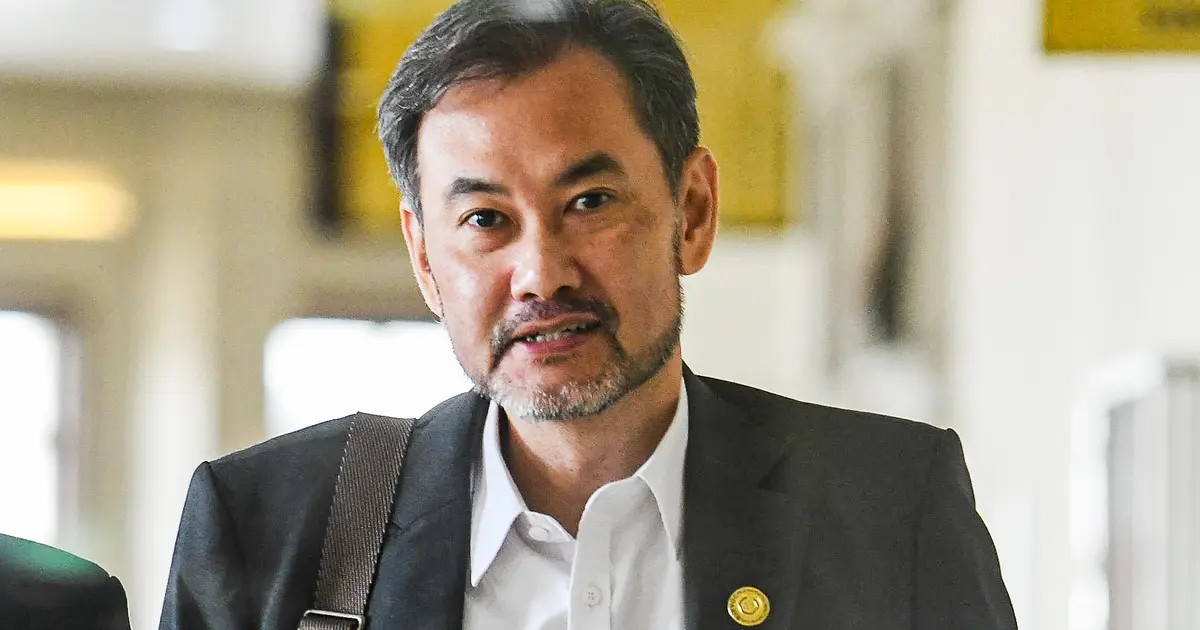
Shahrol Azral Ibrahim Halmi, the former chief executive of 1Malaysia Development Berhad, has moved to clarify his role in the fund's decision-making structure, asserting that he did not treat controversial businessman Jho Low with the deference typically reserved for the nation's highest office. The assertion comes amid ongoing scrutiny of how the state development fund became embroiled in one of the world's largest financial scandals, with Shahrol's testimony providing fresh insights into the informal power dynamics that characterised the fund's operations during the Najib Razak administration.
According to Shahrol's account, communication between the 1MDB leadership and then-Prime Minister Najib Razak frequently bypassed formal bureaucratic channels, instead flowing through a series of intermediaries. Rather than relying on established governmental protocols, Shahrol explained that he would often convey information and receive directives through connections that included Low, a Malaysian businessman whose involvement in the fund became synonymous with its collapse and subsequent international investigations. This revelation underscores how the fund's management structure diverged significantly from standard corporate governance principles, allowing informal networks to exert considerable influence over strategic decisions.
The distinction Shahrol seeks to establish is subtle but potentially significant. While he concedes that Low served as a conduit for communication between the fund and the Prime Minister's office, Shahrol maintains this arrangement did not elevate Low to a position where he wielded authority comparable to Najib himself. This nuance matters considerably in assessing culpability and understanding how decisions affecting billions of ringgit were made. The former CEO appears to be arguing that Low was essentially a messenger or facilitator rather than a principal decision-maker, though this characterisation has been disputed by other observers who view Low's influence over fund operations as far more extensive and substantive.
The 1MDB scandal, which unfolded between 2009 and 2015, resulted in billions in alleged misappropriation and eventually led to criminal charges against multiple individuals, including Najib Razak himself. International authorities, particularly in the United States and Singapore, have documented how Low allegedly orchestrated elaborate schemes to siphon fund assets overseas through complex financial transactions. For Malaysian readers, Shahrol's statements carry particular weight as they illuminate how a sovereign wealth fund intended to generate returns for the nation instead became a vehicle for what prosecutors describe as systematic theft on a massive scale.
The informal communication network that Shahrol describes reflects a broader governance challenge that has troubled Malaysian institutions. When powerful political figures bypass formal structures and rely instead on trusted intermediaries, accountability mechanisms typically falter and transparency evaporates. In 1MDB's case, this informal approach meant that traditional checks and balances—audit committees, board oversight, regulatory scrutiny—became largely ineffective. Shahrol's acknowledgement of these communication patterns, even while he denies granting Low inappropriate authority, inadvertently illustrates how personalised networks can corrode institutional integrity.
Regional observers have noted that Malaysia's experience with 1MDB reflects vulnerabilities present across Southeast Asia's financial systems. The fund's collapse demonstrated how development banks and sovereign wealth vehicles, even when established with legitimate developmental objectives, remain vulnerable to capture by individuals who can cultivate proximity to political decision-makers. For policymakers across the region, the 1MDB episode serves as a cautionary tale about the dangers of concentrating decision-making authority and allowing informal channels to supersede documented procedures.
Since the initial revelations, regulatory frameworks governing Malaysia's financial institutions have undergone significant revision. Nevertheless, questions persist about whether systemic reforms have adequately addressed the underlying vulnerabilities that enabled the 1MDB affair. Shahrol's legal position, maintained through his testimony, suggests he views his role as reactive rather than culpable—someone who implemented directives flowing through established informal channels rather than someone who independently authorised improper transactions. This framing, however, sits uncomfortably with documented evidence of his knowledge regarding fund operations and the questionable nature of transactions he ultimately approved.
The broader significance of Shahrol's statements extends beyond his personal legal jeopardy. His account provides prosecutors and investigating authorities with additional detail about how governance failures accumulated at 1MDB, creating opportunities for systematic fraud. By establishing that Najib communicated through Low, Shahrol effectively reinforces the picture of a fund where informal political direction overrode professional management protocols. Whether this strengthens or weakens Shahrol's own defence remains contested among legal observers, but it undoubtedly enriches the evidentiary record concerning the fund's operational dysfunction.
For Malaysian investors and the broader public, these ongoing revelations continue to underscore lessons about institutional accountability. The 1MDB scandal has cast long shadows over Malaysia's financial reputation internationally, affecting how foreign investors assess risk and governance standards within the country. Shahrol's clarifications, while potentially relevant to his specific legal proceedings, do little to restore confidence in how Malaysian institutions safeguard public resources or insulate decision-making from inappropriate political influence.
Moving forward, Shahrol's case remains emblematic of a larger reckoning with how Malaysia managed a transformative period in its institutional history. The fund's collapse prompted significant soul-searching about governance culture, and subsequent reforms—including enhanced regulatory oversight and criminal accountability mechanisms—reflect an official commitment to preventing similar episodes. Yet observers across Southeast Asia recognise that such reforms prove effective only when enforcement remains consistent and when institutional resilience withstands political pressures. Shahrol's insistence that he did not accord Low extraordinary authority, even as he concedes to using Low as a communication channel with the Prime Minister, encapsulates the ambiguities and moral hazards that characterised 1MDB's governance failure.

