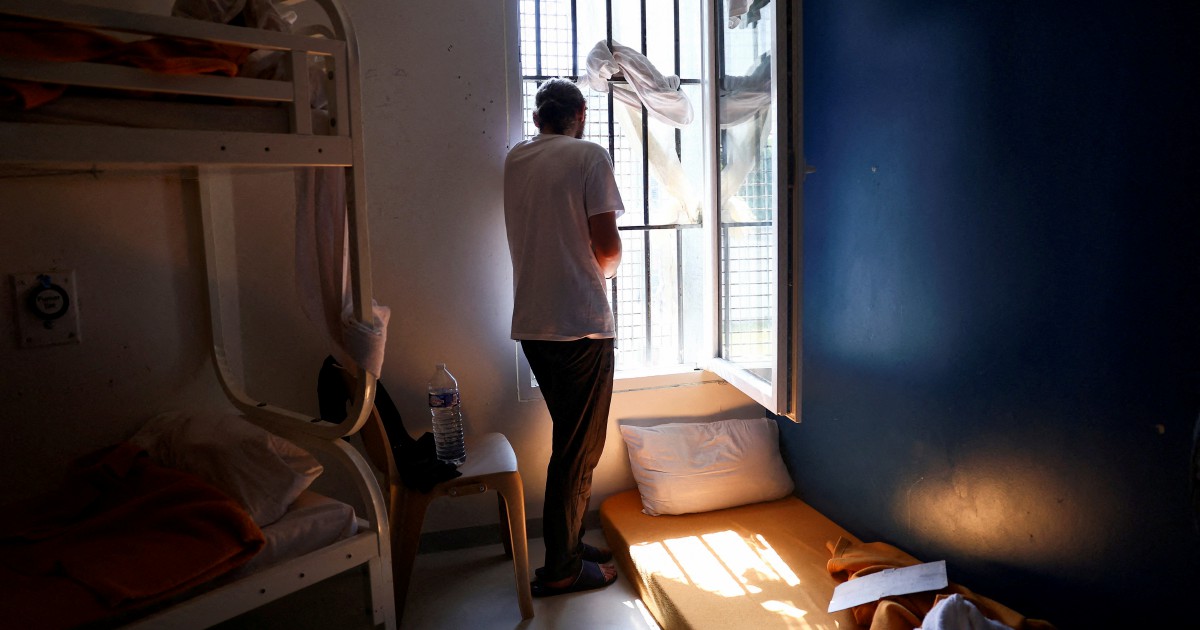
A French inmate, draping wet towels across his cell bars during temperatures exceeding 37 degrees Celsius, recently had an opportunity to convey the unbearable reality of imprisonment during extreme heat to a visiting politician. This scene encapsulates a widening crisis across European penal institutions: decades of accumulated neglect, insufficient investment, and burgeoning prisoner populations have created a perfect storm when climatic extremes arrive.
The vulnerability of continental European prisons to heat stress reflects broader structural problems that have festered for years. Most facilities were designed and constructed decades ago, often without consideration for modern temperature management or population density. As Europe experiences increasingly frequent and severe heatwaves—a consequence of climate change patterns that meteorologists have warned about for some time—these ageing establishments have proven woefully unprepared. Authorities in multiple countries are now confronting the uncomfortable truth that their custodial infrastructure simply cannot protect inmates from dangerous thermal conditions.
Overcrowding remains the central culprit intensifying these hardships. Many European prisons operate significantly above their designed capacity, reducing air circulation, limiting access to sanitation facilities, and concentrating body heat in confined spaces. During normal conditions, this overcrowding presents serious challenges to dignity and order; when external temperatures soar, it transforms cells into potentially lethal environments. Prisoners lack the freedom to seek relief by moving to cooler areas, making them uniquely vulnerable to heat-related illness compared to the general population outside.
France has emerged as a particularly acute flashpoint in this continental problem. The French prison system has long struggled with capacity constraints, and successive heatwaves have thrown this dysfunction into sharp relief. Inmates report conditions where even basic cooling measures—such as the wet towel stratagem—provide only marginal and temporary respite. Advocacy groups have documented cases of prisoners experiencing heat exhaustion and dehydration, with medical staff stretched thin attempting to address these crises using inadequate resources.
The humanitarian implications extend beyond physical discomfort. Psychologically, extreme heat in confined spaces can precipitate serious mental health deterioration, potentially triggering violence and self-harm. Guard unions have raised concerns about maintaining order when environmental conditions are genuinely dangerous. Beyond the immediate human suffering, courts across Europe are beginning to examine whether current conditions violate fundamental human rights standards enshrined in European conventions, creating potential legal liability for governments that fail to act.
Other European nations face similar though sometimes less publicised difficulties. Italy, Spain, and other southern European countries, which experience even more intense seasonal heat, have also reported concerning conditions during peak summer months. Prison administrators have implemented various stopgap measures—distributing additional water rations, reducing lockdown times, installing portable fans—but these interventions address symptoms rather than underlying causes. The reality is that structural solutions require substantial capital investment and difficult policy decisions about prisoner numbers and facility modernisation.
Climate projections suggest these challenges will intensify significantly. Meteorological services predict that heatwaves will become more frequent, longer-lasting, and more intense across Europe in coming decades. If prison infrastructure and populations remain unchanged, conditions will deteriorate further. This creates an urgent policy imperative that extends beyond purely humanitarian concerns into practical governance: European governments must reconcile the reality of their climate future with their custodial obligations.
Solutions exist but demand political will and substantial resources. Retrofitting older prisons with modern cooling systems represents one approach, though the cost is considerable. Alternative strategies include reducing overcrowding through sentencing reform, expanding early release programmes, or investing in non-custodial penalties for lower-level offences. Some experts advocate combining infrastructure upgrades with broader criminal justice reforms that could reduce incarceration rates while simultaneously addressing immediate safety concerns.
For Southeast Asian observers, this European experience carries important lessons. Malaysia and other regional countries are also experiencing rising temperatures and increasingly severe heat stress events. If demographic pressures and limited investment lead to prison overcrowding in tropical climates where ambient temperatures already exceed European norms, conditions could become catastrophic far more rapidly than Europe's gradual deterioration. Studying European approaches—both the failures and any successful interventions—could help regional policymakers avoid replicating these mistakes.
The French politician's visit to witness prison conditions firsthand represents a rare moment of transparency and potential accountability. Yet visibility alone will not resolve the crisis. Sustained political attention, adequate funding, and willingness to confront difficult questions about incarceration policy will be necessary. Until European governments treat prison reform and climate adaptation as interconnected priorities worthy of serious investment, inmates will continue enduring dangerous conditions that no modern democratic society should permit.
Ultimately, this crisis reveals how climate change intersects with existing institutional failings to create compounding harms. Prisons, by their nature, remove individuals' ability to protect themselves through personal choice. This dependency creates heightened ethical obligations for the state. How Europe responds to this challenge—whether through genuine reform or continued muddling—will define its credibility on human rights and environmental responsibility alike.

