The European Union has mobilised €2.1 million (US$2.4 million) in humanitarian assistance for Colombia in the wake of a devastating earthquake that struck the South American nation earlier this week, killing at least 181 people. The earthquake, which registered a magnitude of 7.4, has left thousands displaced and created urgent needs across affected communities, prompting swift action from the 27-member bloc to support ongoing search and rescue operations and immediate relief efforts.
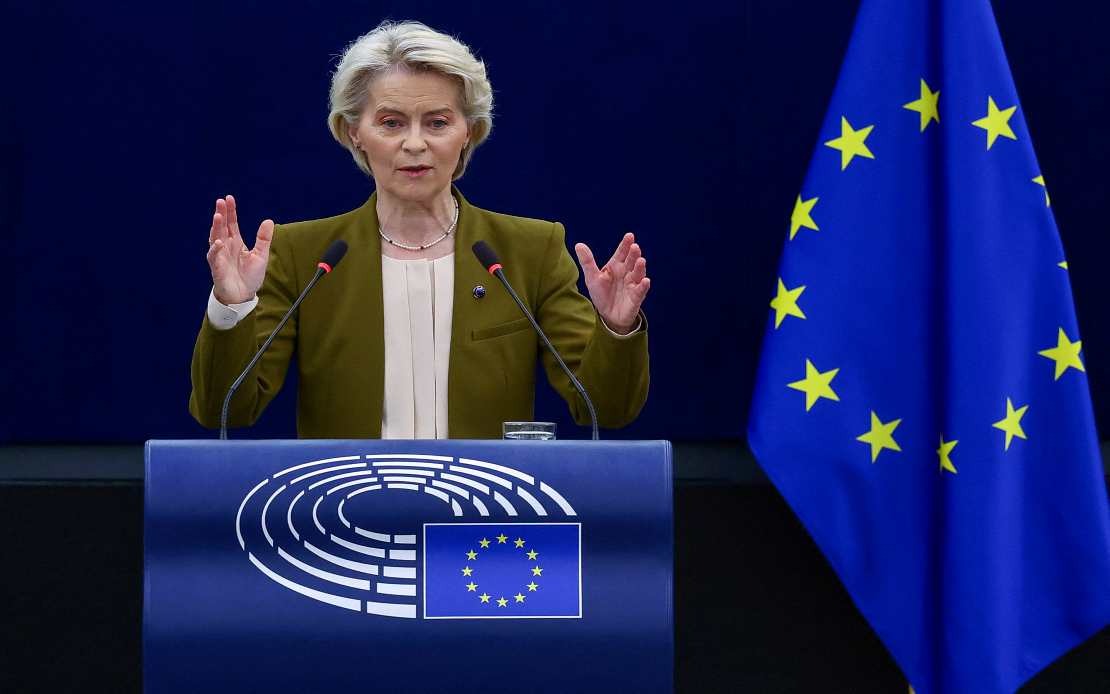
European Commission President Ursula von der Leyen announced the funding commitment on Wednesday, pledging that the EU would continue supporting Colombia's response efforts to the disaster. The statement underscored the bloc's readiness to mobilise resources in times of crisis, reflecting the EU's broader commitment to humanitarian assistance during natural disasters affecting partner nations. The timing of the aid announcement demonstrates the rapid coordination mechanisms that exist between EU institutions and affected governments, allowing for swift deployment of resources when catastrophic events occur.
The allocated funding is designed to address the most pressing humanitarian needs emerging from the earthquake's impact. The EU funds will support the delivery of essential health services, clean water and sanitation facilities, hygiene materials, emergency shelter, food provisions, protection services, and direct cash assistance to the populations most severely affected by the seismic event. This comprehensive approach reflects international best practices in disaster response, targeting both immediate survival needs and the prevention of secondary humanitarian crises that often follow major natural disasters.
Among the EU's rapid-response measures, the European Commission had already allocated €100,000 to the German Red Cross on Tuesday, enabling the organisation to address immediate needs in the hard-hit regions of Chocó and Valle del Cauca. This funding was specifically targeted at assisting approximately 2,500 families facing the most acute humanitarian challenges in the earthquake's aftermath. The partnership with established humanitarian organisations like the German Red Cross demonstrates how the EU leverages existing networks and field presence to ensure aid reaches vulnerable populations efficiently.
Beyond financial contributions, the EU has placed its advanced satellite mapping and geospatial services at the disposal of Colombian emergency management authorities. This technical support proves invaluable during disaster response operations, enabling responders to identify areas of critical need, assess structural damage to buildings and infrastructure, and coordinate rescue efforts more effectively. The provision of such capabilities represents a form of in-kind assistance that can be equally critical as financial aid in the immediate aftermath of major disasters, particularly in terrain that may be difficult to access through conventional surveys.
The European Commission has maintained active communication channels with Colombian government authorities to ensure coordinated delivery of international assistance. This ongoing dialogue allows EU officials to monitor evolving humanitarian needs as rescue operations continue and the full extent of the disaster becomes clearer over subsequent days. The coordination approach helps prevent duplication of efforts and ensures that international assistance complements rather than complicates domestic response operations led by Colombian authorities who maintain primary responsibility for their population's welfare.
For Malaysia and Southeast Asia, this EU response carries relevance on multiple levels. The region sits on the Pacific Ring of Fire and experiences frequent seismic activity, making earthquake preparedness and international disaster assistance a matter of practical concern for governments and communities across the area. The EU's coordinated approach to emergency aid—combining financial resources, technical expertise, and cooperation with humanitarian organisations—offers a model that regional frameworks might emulate when addressing natural disasters affecting ASEAN member states or neighbouring countries.
The earthquake underscores the unpredictable nature of geological hazards and the importance of maintaining robust international cooperation mechanisms for disaster relief. Colombia's experience serves as a reminder of the vulnerability that even middle-income nations face when confronted with major natural disasters, regardless of their development levels or existing infrastructure resilience. The speed with which the EU mobilised assistance reflects a growing international norm that wealthy nations and blocs should rapidly deploy resources to help populations affected by catastrophic events.
The humanitarian crisis in Colombia also demonstrates how earthquakes create cascading impacts beyond the immediate loss of life. Displaced populations, disrupted supply chains, damaged water and sanitation systems, and overwhelmed healthcare facilities all require sustained international support extending beyond the initial emergency phase. The EU's commitment to coordinate assistance "as needs evolve on the ground" recognises this reality, positioning the bloc for longer-term engagement rather than a single emergency allocation. This strategic approach reflects mature understanding of disaster response, where immediate aid must transition seamlessly into recovery and reconstruction support.

