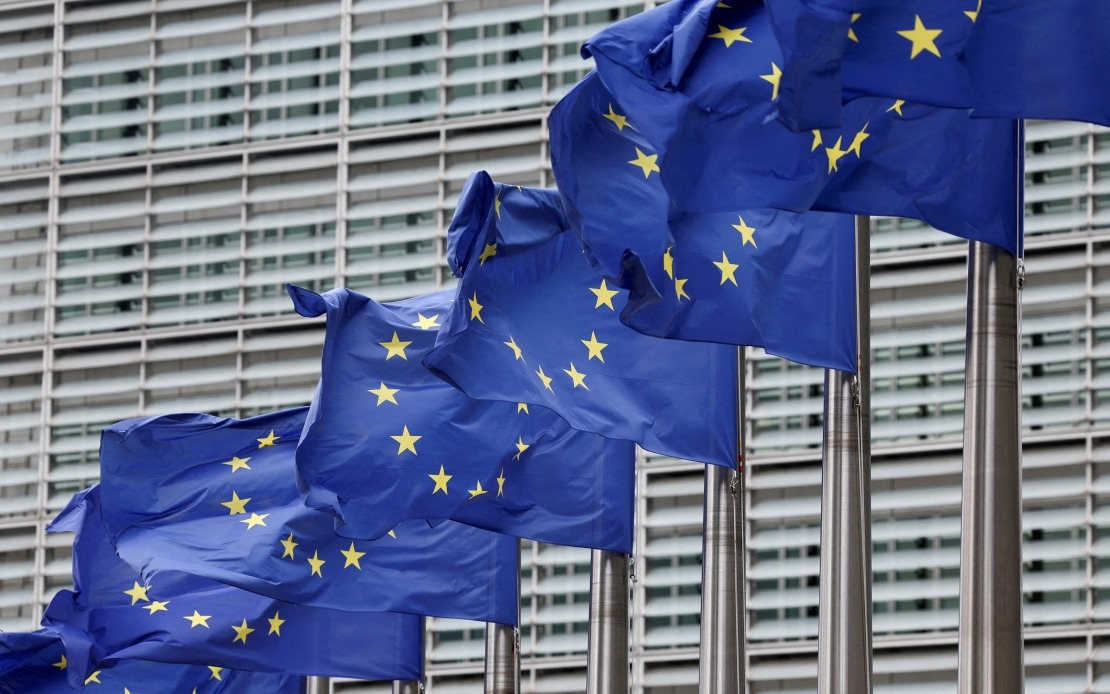
European Union foreign ministers are preparing to convene in Brussels to deliberate on mounting tensions in West Asia, with particular focus on whether the bloc should introduce tougher economic measures against Israeli settlement expansion in the occupied West Bank. The meeting, bringing together representatives from all 27 member states, reflects deepening concerns within Europe about ongoing construction activities in disputed territories and their implications for regional stability and peace efforts.
The European Commission has developed a comprehensive set of policy options for Monday's discussions, ranging from selective import prohibitions to broader restrictions on goods originating from Israeli settlements. These proposals represent an escalation of the EU's existing approach and signal willingness within the bloc's institutional machinery to consider more aggressive economic levers. The options emerged from ongoing consultations among commission officials and reflect pressure from several member states demanding stronger EU positions on the issue.
Considerable division exists within the EU regarding the appropriate response to settlement activity. Spain, Ireland and Belgium have become vocal advocates for stringent sanctions, viewing the expansion as a fundamental obstacle to peace prospects and a violation of international law. Conversely, Germany and other member states have resisted such measures, citing concerns about effectiveness, unintended economic consequences, and the risk of further alienating Israel from diplomatic engagement. This internal schism underscores the challenge facing the bloc in achieving consensus on contentious Middle Eastern matters.
The procedural mechanics of EU decision-making add another layer of complexity to the deliberations. Should the EU classify any new trade measures as foreign policy sanctions, the bloc's decision-making rules would demand unanimous approval from all 27 members, effectively granting veto power to any single country. Alternatively, if categorised differently, trade restrictions could proceed with qualified majority support, requiring backing from at least 15 member states representing a combined population of at least 65 percent of the EU's total. This threshold distinction carries significant implications for the likelihood and timing of action.
The settlement question sits within a broader geopolitical context facing European policymakers. Ukrainian Foreign Minister Andrii Sybiha has been invited to participate in informal consultations, signalling the EU's intention to address the Russian invasion of Ukraine during the same session. Ministers are expected to rubber-stamp additional sanctions targeting Russian individuals, businesses and organisations, though uncertainty persists about whether comprehensive new trade restrictions can secure adoption before implementation deadlines.
Developments in the Iran region constitute a third priority on the agenda, with ministers expected to review recent strategic shifts and potential security implications. The convergence of these three crises—Israeli-Palestinian tensions, the Ukraine conflict, and regional instability in West Asia—presents European officials with competing demands for attention and resources. The simultaneous consideration of sanctions related to different regional conflicts highlights the EU's broader struggle in maintaining coherent foreign policy amid multiple simultaneous crises.
For Malaysia and Southeast Asian nations, the EU's approach carries implications for international precedent-setting on sanctions mechanisms and diplomatic responses to territorial disputes. Malaysia has traditionally supported Palestinian self-determination and opposed settlement expansion, making EU action particularly relevant to regional positions on global justice and international law. The debate within Europe over effective tools and diplomatic costs of sanctions also resonates with ASEAN economies weighing their own approaches to geopolitical challenges in the Indo-Pacific.
The internal EU divisions revealed by this discussion also demonstrate how consensus-based decision-making can constrain regional powers from implementing preferred policies. The difference between unanimity requirements and qualified majority thresholds could determine whether meaningful measures materialise or whether the bloc defaults to weak symbolic gestures. This structural reality reflects ongoing tensions between national sovereignty and collective action within the European project.
Observers note that the outcome of Monday's meeting may indicate broader trends in EU foreign policy assertiveness. Success in achieving unified sanctions could embolden the bloc to adopt more coordinated positions on other contentious geopolitical issues. Conversely, continued deadlock might reinforce perceptions of European fragmentation and limit the EU's ability to shape global responses to territorial disputes and settlement policies. The stakes extend beyond the immediate Israeli-Palestinian context to questions about Europe's role in international conflict resolution.

