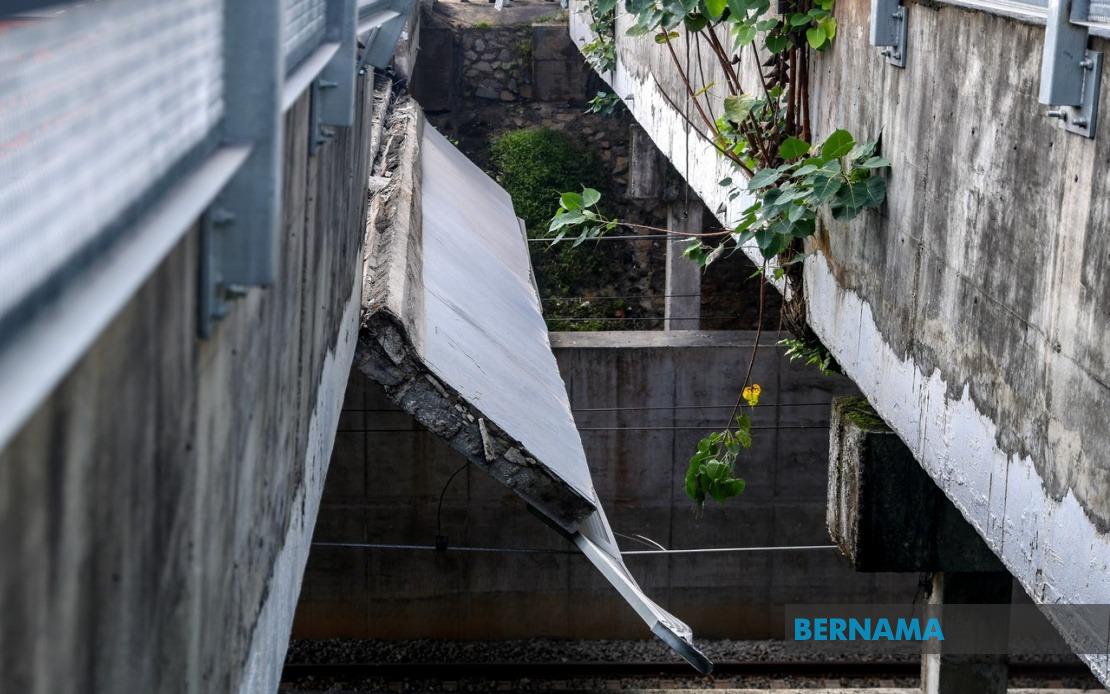
A vehicular collision near the Kulai-Kempas Baru railway corridor in Johor has brought three major Electric Train Service (ETS) routes to a standstill, forcing Keretapi Tanah Melayu Berhad (KTMB) to implement an alternative transport arrangement for stranded commuters. The incident, involving a lorry that struck infrastructure alongside the tracks, has triggered extensive restoration efforts that are expected to continue throughout the day and potentially longer, depending on safety clearance procedures.
The affected services represent a significant portion of daily connectivity between Johor Bahru and major destinations across Peninsular Malaysia. ETS 9442, which operates the Johor Bahru Sentral to Padang Besar route, ETS 9524 connecting JB Sentral to Kuala Lumpur Sentral, and ETS 9326 serving the JB Sentral to Butterworth line all halted operations following the crash. These routes form essential arteries of the national rail network, particularly for business commuters and intercity travellers relying on the faster electric train alternative to road transport.
To mitigate the disruption, KTMB has mobilised a fleet of shuttle buses operating from both JB Sentral Station and Kempas Baru Station, ferrying affected passengers to Kulai Station where they can resume their train journeys to their final destinations. This contingency arrangement, while operational, introduces significant time delays into travel schedules and requires passengers to tolerate multiple transfers rather than the seamless journey they anticipated. The railway operator has emphasised that affected commuters who prefer not to complete their journeys under these altered conditions are entitled to full refunds, with KTMB staff available at stations to process such requests and provide additional assistance.
The physical damage underlying the service suspension is substantial. A fallen concrete parapet structure, likely part of a bridge or overpass adjacent to the railway line, has come into contact with the overhead line (OHL) system that supplies power to the trains. This type of infrastructure damage poses significant safety concerns that cannot be rushed through repair processes. The lorry responsible for the collision, operated by Transmare-Chemie (M) Sdn Bhd, struck the structure with enough force to dislodge it, indicating a considerable impact that may have affected track integrity as well as the electrical supply systems.
Removal of the fallen concrete structure presents a major logistical challenge. KTMB was advised at 3 am that the 120-tonne crane necessary to lift and clear the debris had not yet been secured by the transport company. The railway operator anticipated that once the crane was procured, lifting operations would commence around 10 am, suggesting a considerable gap between when the incident occurred and when meaningful removal work could begin. This delay in securing heavy lifting equipment, typical in emergency situations when specialised machinery must be located and transported to the accident site, compounds the disruption and extends the timeline for service restoration.
The broader context of this incident reveals an ongoing vulnerability in Malaysia's rail infrastructure interface with road networks. This is the second disruption to this particular corridor within as many days. The preceding day's incident involved a lorry carrying flammable liquid that skidded near the rail line, causing power supply disruptions affecting both Shuttle Selatan and ETS services on the Kulai-Kempas route. The clustering of accidents at this location within a short timeframe raises questions about road safety measures, driver behaviour, and whether enhanced barriers or protective infrastructure might be warranted to prevent vehicles from encroaching upon the railway corridor.
Currently, the Shuttle Selatan service—a slower, regional rail option—maintains operations on the Pasir Gudang to JB Sentral and return routes, as well as the Kempas Baru to JB Sentral service. However, the direct Kulai-Kempas Baru-Kulai Shuttle Selatan route has been suspended. This partial retention of Shuttle Selatan services provides some continuity for passengers on those specific corridors, though it offers limited value for those whose journeys intersect with the damaged section. The suspension of the Kulai-Kempas Baru portion is particularly significant because it removes a key link in the regional transport network that many daily commuters and regional travellers depend upon.
KTMB's restoration strategy involves multiple sequential phases before normal operations can resume. Beyond the physical removal of the fallen structure, technical inspections of both the track bed and the overhead electrical systems are mandatory to identify any secondary damage or safety risks introduced by the collision. The railway operator has stated that train operations will only resume following certification that both the track and OHL system meet safety standards. This methodical approach, while potentially extending the disruption period, reflects prudent risk management—particularly critical on a busy intercity corridor where service failures or safety incidents carry serious consequences.
The precise timing for service restoration remains uncertain and contingent upon multiple variables. KTMB has provided no specific reopening estimate, recognising that the pace of crane deployment, the extent of damage discovered during inspection, and any complications encountered during removal work could alter the timeline significantly. This uncertainty creates planning challenges for commuters who must decide whether to wait for service normalisation, accept shuttle bus transfers with associated delays, or seek alternative transport methods such as driving or hiring coaches.
For Malaysian business and leisure travellers, this disruption underscores a persistent challenge within the nation's transportation infrastructure: the vulnerability of critical rail corridors to external incidents and the consequent ripple effects across the transport network. The Johor region's growing economic importance and the role of reliable rail connectivity in supporting regional development mean that such disruptions carry broader economic implications beyond mere passenger inconvenience. Freight services and other train categories may also face restrictions or cancellations while restoration work proceeds.
The incident also highlights KTMB's dependence on third-party transport operators' compliance with road safety standards and vehicle maintenance protocols. The involvement of Transmare-Chemie (M) Sdn Bhd, the company operating the lorry that caused the damage, emphasises how deficiencies in road transport oversight can cascade into rail service failures. Enhanced coordination between road transport authorities and rail operators regarding safety protocols near rail corridors could potentially mitigate such incidents in future.
Stakeholders dependent on the affected ETS routes—from daily commuters to business travellers to freight operators—will need to monitor KTMB communications closely for updates on service restoration. The railway operator has committed to maintaining coordination with all relevant parties involved in the restoration effort. Until the affected rail line is declared safe and fully operational, alternative arrangements and patience will remain necessary for those traversing this critical corridor.

