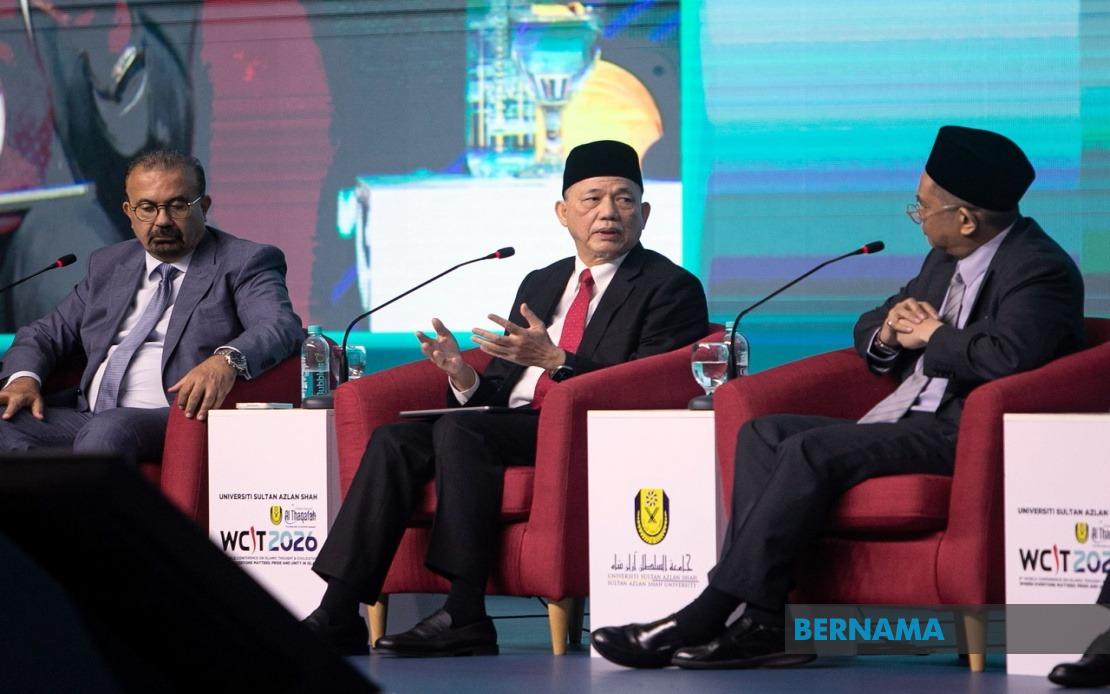
In remarks delivered at the 8th World Conference on Islamic Thought and Civilisation in Ipoh on July 21, Deputy Prime Minister Datuk Seri Fadillah Yusof articulated a fundamental shift in how the world's economic and security challenges must be understood. Speaking as Energy Transition and Water Transformation Minister during a distinguished session chaired by the Sultan of Perak, Sultan Nazrin Shah, Fadillah stressed that the traditional compartmentalisation of energy and maritime security no longer reflects geopolitical reality. Recent tensions between the United States and Iran have illustrated this reality with startling clarity, creating ripple effects across global markets and supply networks that extend far beyond traditional energy sectors.
The minister's analysis reflects a deepening recognition among policymakers that interconnected global systems have collapsed the geographical distance that once insulated markets and economies from distant crises. When hostilities flare in strategically vital regions, the consequences manifest not merely in oil price fluctuations but cascade through insurance markets, shipping logistics, and the ultimate cost consumers pay for electricity and goods at home. Fadillah articulated this causality chain with precision: developments in contested waters trigger broader consequences that reshape international commerce and directly influence the purchasing power of ordinary households across the region.
The Strait of Hormuz serves as the focal point for these concerns, given its concentration of global energy trade. Fadillah emphasised that recent developments there have disrupted supply chains extending far beyond energy markets alone, touching everything from logistics infrastructure to international shipping networks. The implications for Malaysia specifically warrant careful consideration, as any disruption to maritime passage through this chokepoint reverberates through an economy dependent on predictable access to fuel and imported goods. The minister's point was not alarmist but rather a sober assessment of vulnerability within integrated global systems that leave little room for regional insulation.
The economic transmission mechanisms are multiple and compounding. Insurance premiums for vessels transiting contested waters increase substantially, raising the cost of maritime commerce for all nations reliant on these routes. Energy pricing becomes more volatile as supply uncertainty enters market calculations. Supply chain costs escalate across manufacturing and logistics sectors. These seemingly technical adjustments in commodity markets and insurance premiums ultimately translate into higher prices for fuel, electricity, and consumer goods in domestic markets. Malaysia, as an energy-importing nation with an economy deeply embedded in global value chains, faces particular exposure to these cascading cost increases.
Malaysia's own geographical position amplifies these considerations. The Strait of Melaka, through which a significant proportion of global maritime trade passes, represents another critical node in the world's interconnected system. What occurs in the Strait of Hormuz thousands of kilometres distant has direct parallels with vulnerabilities present in Malaysia's own maritime neighbourhood. Any disruption to major shipping lanes affects not only Malaysia's position as a transit hub but the broader stability of Southeast Asian trade networks that depend on unimpeded passage through regional waterways. The deputy minister's implicit acknowledgment of these parallels suggests awareness that Malaysia's interests extend beyond passive observation of distant conflicts.
Fadillah articulated Malaysia's response orientation as calibrated, grounded in diplomatic channels rather than confrontational posturing. This approach aligns with Malaysia's historical commitment to multilateral frameworks and rules-based international order. For more than a century, the nation has benefited from open trading systems and stable maritime conditions, creating institutional interests and strategic preferences that favour stability and negotiated resolution over escalation. The deputy minister's emphasis on maintaining friendships with all nations reflects both principle and pragmatism, acknowledging that Malaysia's prosperity depends on avoiding fracture lines in the international system.
The rules-based trading system that has underwritten Malaysian prosperity faces real pressures from geopolitical tensions that threaten predictability and stability. When major powers contest control of vital maritime passages or energy supplies, the foundational assumptions of that rules-based system erode. Malaysia's position becomes more precarious precisely when global tensions heighten, requiring active diplomatic engagement to preserve the conditions upon which the nation's economic model depends. Fadillah's emphasis on calm and responsible approaches through diplomatic channels reflects understanding that Malaysia's actual power lies not in military capabilities but in maintaining its relevance and credibility within international frameworks dedicated to peaceful conflict resolution.
The interconnection between energy and maritime security has significant implications for Malaysia's own policy priorities, particularly regarding energy transition and water transformation. As the nation works to diversify energy sources and enhance resource security, these efforts must account for the reality that energy systems cannot be divorced from maritime and geopolitical stability. Investments in renewable energy infrastructure, water resource development, and supply chain resilience all become investments in reducing vulnerability to distant conflicts that threaten to disrupt global systems Malaysia depends upon. The deputy minister's framing suggests that energy transition represents not merely an environmental imperative but a security necessity.
Looking forward, the deepening interconnection between energy and maritime security suggests that regional and global challenges will continue intersecting in ways that demand sophisticated, multifaceted responses. Malaysia's approach of diplomatic engagement, commitment to rules-based order, and active participation in international frameworks for conflict resolution represents a rational strategy given the nation's exposure to disruptions originating far beyond its borders. The recognition that distant events can affect electricity prices, fuel supplies, and trade flows underscores why Malaysia maintains interest in global stability even when direct military interests are not engaged. This perspective justifies continued investment in multilateral diplomacy and international institutions that seek to manage tensions before they translate into supply chain disruptions affecting Malaysian households and businesses.

