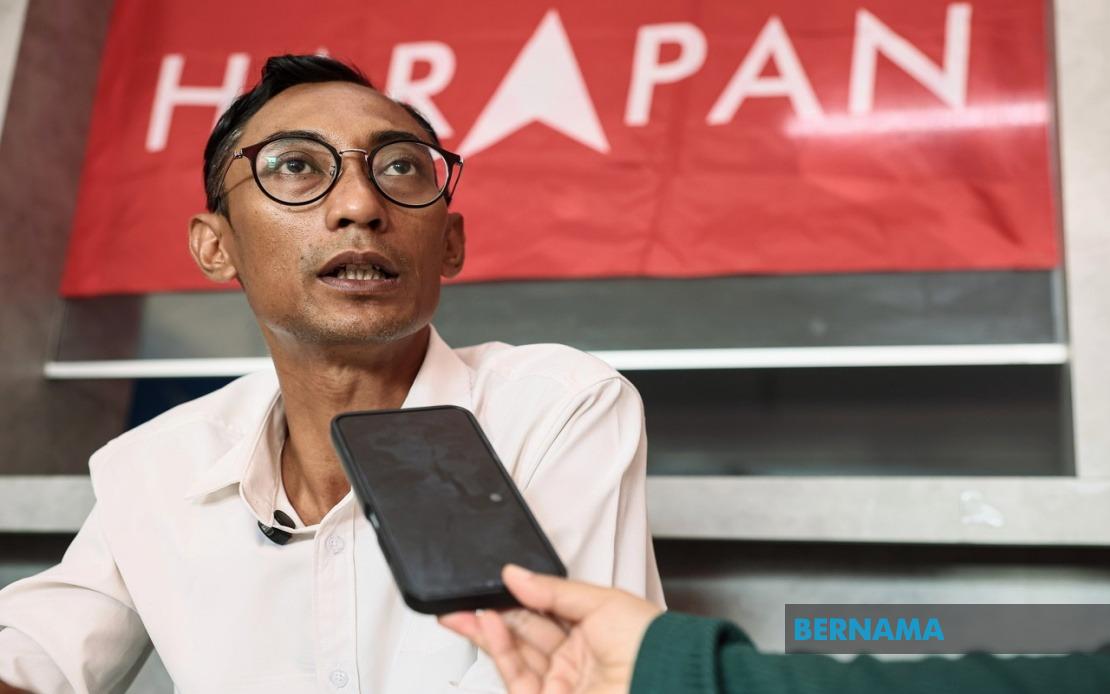
Pakatan Harapan candidate Saiful Nizam Samat is banking on a straightforward pitch to Endau voters: choosing him means the constituency's concerns will resonate directly with the federal government, bypassing intermediaries and accelerating the flow of development initiatives to the community. This strategic positioning, encapsulated in his "Suara Endau ke Putrajaya" (Endau's Voice to Putrajaya) campaign, represents a calculated departure from conventional state-level politics, where candidates typically emphasise their own legislative prowess or party machinery. Instead, Saiful Nizam is framing the state election as a referendum on whether Endau can secure better coordination between local and national governance structures.
The rationale underpinning this approach is pragmatic. By deliberately declining to contest seats in more urbanised constituencies such as Iskandar Puteri or Kota Iskandar, Saiful Nizam signals that his ambition is not personal advancement but rather establishing a communication pipeline between Endau and Putrajaya. This messaging appears designed to appeal to voters frustrated by delays in infrastructure projects, inadequate service delivery, or a sense that their constituency has been overlooked in national resource allocation. For a rural or semi-rural seat like Endau, such concerns are often legitimate, as these areas frequently trail their urban counterparts in development spending and federal attention.
During the initial week of campaigning, Saiful Nizam reported receiving encouraging responses across demographic segments, from young voters exploring their political identity to senior citizens reflecting on decades of governance. This broad appeal suggests his campaign has resonated beyond traditional partisan divides, touching on a more universal frustration with bureaucratic distance and government responsiveness. The enthusiasm he describes hints at voter appetite for a representative explicitly framing his role as an advocate for local interests at the highest levels.
To amplify his message, the campaign has deployed a multi-channel strategy combining classical door-to-door engagement with digital outreach. This hybrid approach recognises that Endau likely includes both digitally connected communities and populations relying on traditional media and face-to-face interaction. A specially composed theme song with catchy, lighthearted qualities adds a cultural dimension to the campaign, potentially making it more memorable and shareable, particularly among younger voters who may dismiss purely policy-focused messaging as dry or disconnected from their daily lives.
Planned visits to Orang Asli settlements underscore a deliberate effort to engage communities that are frequently marginalised in electoral politics. These populations often have distinct development priorities—land rights, healthcare access, educational infrastructure—that differ from mainstream constituencies. By targeting these areas explicitly, Saiful Nizam signals that his promise of amplified community voice extends to the most vulnerable and underrepresented segments of Endau.
The contest for Endau is a four-way battle pitting Saiful Nizam against Barisan Nasional incumbent Alwiyah Talib, a two-term representative with established ground presence, alongside Perikatan Nasional's Hasnul Hakimi Hussien and Parti Orang Asli Malaysia's Jati Awang. Alwiyah's incumbency advantage is substantial; two terms suggest she has successfully navigated constituency politics and likely maintains organisational networks. However, her position also makes her a target for anti-incumbent sentiment, particularly if voters perceive that her tenure has not delivered commensurate improvements in local conditions. The presence of PN and ASLI candidates fragments the anti-PH vote, potentially benefiting Saiful Nizam if traditional opposition voters split their preferences.
Saiful Nizam's explicit appeal to diaspora voters—those working in Singapore, the Klang Valley, and beyond—acknowledges a demographic reality often overlooked in state elections. These citizens retain emotional and financial ties to their home constituencies and frequently maintain voting rights there. By directly calling on them to return for polling day, he taps into both their sense of civic duty and their potentially unmet concerns about their home community's progress. Diaspora voters, having experienced development in other regions, may bring fresh perspective to what their original constituency lacks.
The election mechanics are tightly scheduled. Early voting is set for July 7, with the main poll occurring on Saturday, July 11. This compressed timeline means campaigns must operate at high intensity, with the final week determining which messages penetrate voter consciousness most effectively. Saiful Nizam's reported aggressive campaign tempo, combining ground mobilisation with digital presence, reflects awareness that the window for persuasion is narrow.
For Malaysian politics broadly, this race exemplifies a subtle but significant shift in how candidates frame their role. Rather than emphasising party ideology or personal credentials, Saiful Nizam is presenting himself as a conduit for local interests within federal structures. This approach acknowledges voter frustration with political hierarchies that often prioritise party interests over constituency needs. It also reflects pragmatism: a state assemblyman's legislative powers are limited compared to the federal government's control over resource allocation, infrastructure spending, and policy implementation. Repositioning the role as advocate and liaison officer may be more honest and electorally effective than promising legislative miracles.
The Endau contest also illuminates broader Johor political dynamics. The state has been a traditional BN stronghold, but PH's presence in multiple seats indicates erosion of that dominance. The four-cornered contest in Endau suggests voters are genuinely considering alternatives, rather than automatically returning incumbents. Whether Saiful Nizam's "Voice to Putrajaya" framing proves sufficiently novel and compelling to overcome Alwiyah's incumbency, organisational advantage, and BN's entrenched structures will be determined when ballots are counted this weekend.

