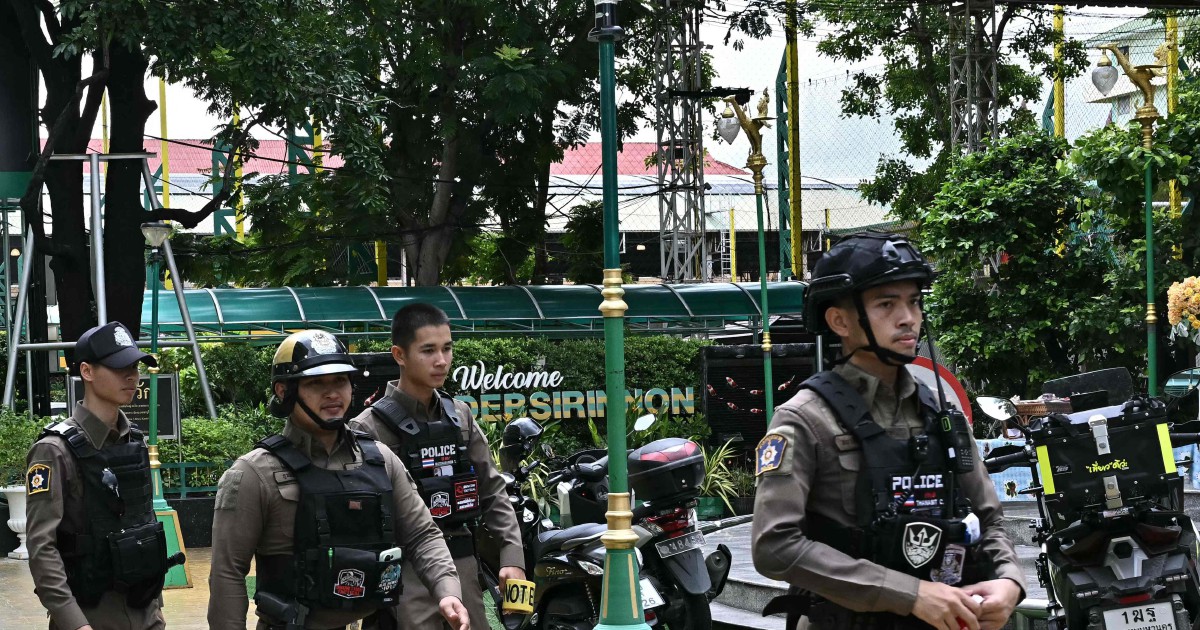
Thai law enforcement has arrested at least eleven French nationals since the beginning of the summer season, with each detention linked to the discovery of multiple kilograms of cannabis in their possession, according to a police source cited by Agence France-Presse on Tuesday. The cases underscore an increasingly prevalent criminal operation targeting unsuspecting European tourists, luring them into drug trafficking schemes under the guise of holiday opportunities.
The detentions represent a concerning pattern that has emerged across Southeast Asia, where organised criminal networks exploit the region's popularity as a tourist destination. French citizens, along with other European nationals, have become particular targets for what authorities characterise as a "free holiday" trap—a deceptive recruitment mechanism that initially promises no-cost travel experiences before pressuring victims into transporting contraband across international borders. The scheme capitalises on economic pressures faced by young and middle-income Europeans seeking affordable vacation opportunities.
Thailand's strict narcotics enforcement framework carries severe penalties for drug trafficking offences. Individuals caught transporting cannabis face lengthy prison sentences, substantial fines, and the prospect of prolonged detention in Thai correctional facilities. The legal consequences extend beyond immediate imprisonment, affecting future employment prospects, visa applications, and international travel rights. For French citizens, arrest records in Thailand can result in additional complications upon return to France, where involvement in international drug trafficking carries its own legal ramifications.
The recruitment process typically begins through social media platforms and online job boards, where criminal syndicates advertise lucrative opportunities or sponsored travel packages. Potential victims receive communication from individuals posing as legitimate travel organisers or business representatives. Once initial contact is established, the scheme progresses gradually, building trust before introducing the drug transport component. By the time participants realise the true nature of the arrangement, they are already psychologically invested and financially committed, making refusal increasingly difficult.
For Malaysia and other Southeast Asian nations, these developments carry significant implications for regional tourism and border security. The emergence of coordinated international smuggling networks utilising tourist transit routes underscores the necessity for enhanced intelligence sharing between national law enforcement agencies. Malaysian authorities, operating major transit hubs like Kuala Lumpur International Airport, must remain vigilant against similar recruitment tactics being deployed within their jurisdiction. The cases in Thailand demonstrate how transnational criminal organisations exploit geographical proximity and accessible air connections between Southeast Asian destinations.
The targeting of European nationals reflects broader strategic calculations by trafficking organisations. Citizens from wealthy Western nations often possess greater financial resources for bail or legal representation, making them commercially valuable to criminal networks that extract significant payments for bail processing. Additionally, language barriers and unfamiliarity with foreign legal systems make European detainees more vulnerable to exploitation throughout the detention and trial process. Criminal syndicates view these factors as advantages rather than complications.
French authorities maintain ongoing diplomatic coordination with Thai law enforcement regarding the detained nationals. The French government faces pressure to provide consular support while respecting Thai judicial sovereignty. Securing early releases or reduced sentences typically requires substantial financial settlements and legal advocacy, processes that benefit from high-level diplomatic intervention. Similar cases involving other European nations have established precedents for negotiated outcomes, though results remain unpredictable and contingent upon specific circumstances.
The broader context involves examining how global drug trafficking networks have adapted to modern communication and transportation infrastructure. The democratisation of international travel, combined with increasingly sophisticated digital recruitment tools, has enabled criminal organisations to operate recruitment campaigns across continents with minimal physical presence. Thailand's position as a major narcotics transit point intersects with its status as a premier tourist destination, creating ideal conditions for recruitment operations targeting holiday-makers.
For Southeast Asian readers, the implications extend beyond immediate security concerns. Countries across the region host millions of international tourists annually, creating potential recruitment environments for transnational criminal networks. Malaysia, Thailand, Indonesia, and the Philippines have all reported similar incidents involving foreign nationals recruited into smuggling operations. Strengthening customs protocols, providing traveller education programmes, and enhancing inter-agency coordination represent essential responses to this evolving threat.
The psychological dimensions of the "free holiday" trap reveal sophisticated understanding of human vulnerability to economic incentives and social engineering. Victims often come from modest economic backgrounds, seeking ways to afford travel experiences that would otherwise remain financially unattainable. Criminal recruiters exploit legitimate aspirations and normalised social media networking, gradually normalising increasingly illicit propositions through incremental escalation. This progression makes identification and intervention challenging for both potential victims and preventative law enforcement programmes.
Moving forward, awareness campaigns targeting potential victims represent one crucial intervention strategy. Tourism boards, national governments, and international organisations have begun developing materials warning travellers about recruitment schemes and explaining the severe consequences of becoming involved in cross-border narcotics operations. However, reaching vulnerable populations effectively requires sustained investment and culturally tailored messaging that resonates with target demographics across different European nations.
The detention of eleven French nationals in Thailand ultimately reflects deeper structural vulnerabilities within global travel, tourism, and commerce systems. Until international cooperation mechanisms and national border security protocols become substantially more robust, such cases will likely persist. The situation demands continued vigilance from Southeast Asian authorities, enhanced cooperation with European law enforcement agencies, and proactive strategies for protecting both tourists and the integrity of regional security frameworks.

