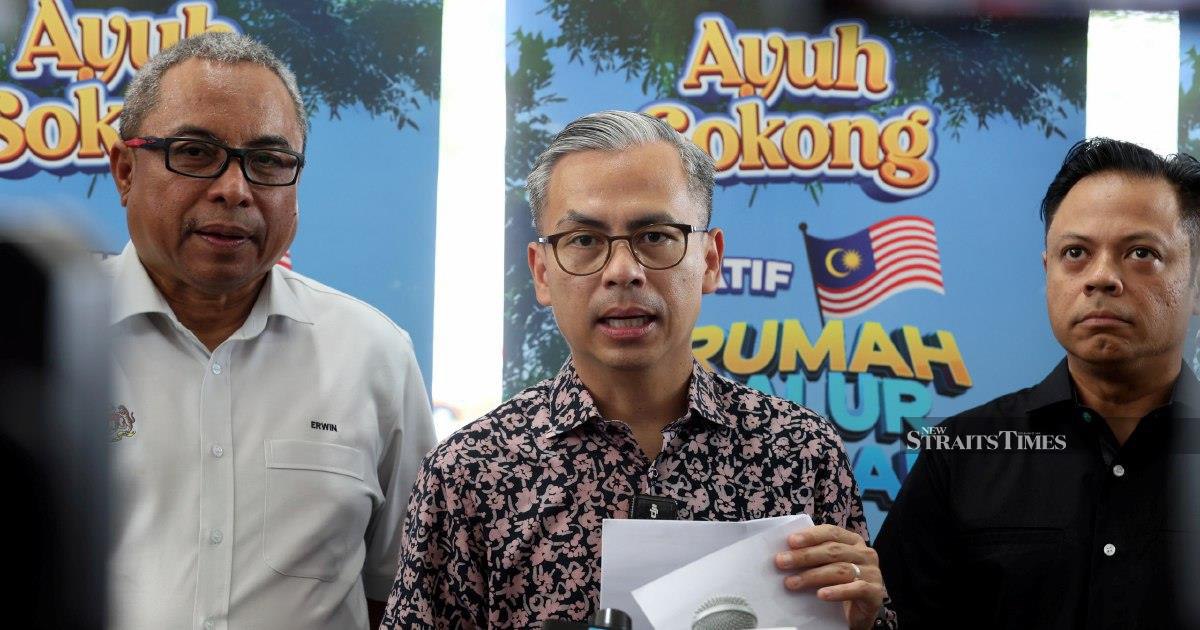
The Election Commission has been tasked with producing a comprehensive revised assessment of Sarawak's ambitious proposal to expand its state assembly from its current configuration, government spokesman Datuk Seri Fahmi Fadzil announced here. The directive comes directly from Prime Minister Datuk Seri Anwar Ibrahim, signalling the federal leadership's engagement with a significant constitutional matter affecting Malaysia's largest state by land area.
Sarawak's push for additional representation addresses long-standing demographic and geographic considerations unique to the state. As home to some 2.8 million people spread across 124,450 square kilometres, Sarawak faces particular challenges in electoral administration and constituent service delivery. The proposed expansion of 17 seats would meaningfully alter the power dynamics within the state legislature and affect how both state and federal resources are allocated during election cycles.
The Election Commission's mandate to revisit its analysis reflects the complexity inherent in such boundary adjustments. These modifications carry implications not merely for local politics but for the balance of representation across Malaysia's federal system. Any changes to Sarawak's electoral architecture must account for constitutional requirements, population distribution patterns, and the practical logistics of campaign administration across the state's vast territory.
Prime Minister Anwar Ibrahim's personal involvement in requesting this updated report underscores the federal government's recognition of the matter's significance. This is not a routine procedural request but rather indicates that senior leadership has determined the question warrants fresh examination based on more current data or revised parameters. The timing of such directives often reflects broader political negotiations or state development priorities that have emerged since previous assessments.
Sarawak occupies a distinctive position within Malaysia's political landscape. As a state with distinct constitutional arrangements and historical governance traditions, decisions affecting its electoral framework carry weight beyond the immediate question of seat allocation. The state has demonstrated independent political currents, with particular emphasis on ensuring that growth and development benefits reach all communities within its borders.
For Malaysian readers, particularly those in Peninsular Malaysia, the significance of this development may initially appear regional. However, changes to Sarawak's electoral configuration can influence the composition of Malaysia's federal parliament, as state assembly boundaries sometimes align with or inform federal constituency divisions. The precedent set here may also affect discussions concerning Sabah's electoral arrangements, creating a domino effect across East Malaysia's political structure.
The Election Commission's role in preparing this updated report involves technical analysis of demographic trends, electoral feasibility, and constitutional compliance. The body must evaluate whether the 17-seat expansion aligns with constitutional provisions governing state assembly seats, whether population growth justifies the increase, and whether the proposed boundaries can be practically administered. Previous Commission assessments would form the baseline for this revision, allowing analysts to identify what factors have changed and what new considerations have emerged.
The bureaucratic machinery surrounding this proposal involves multiple stakeholders with different interests. The Sarawak state government has its own perspectives on optimal legislative structures, the federal government must consider national implications, the Election Commission operates within constitutional constraints, and various political parties assess how changes might affect their competitive positioning. This multi-layered decision-making process typically extends over several months, with the revised report representing one milestone rather than a final determination.
Geographic realities shape the urgency of Sarawak's request in ways that may not immediately register with readers in more densely populated regions. The state encompasses vast areas with sparse populations, dense urban centres, and communities accessible only by river transport. Creating constituencies that balance population equality with geographic practicality requires careful calibration, and the addition of 17 seats provides an opportunity to recalibrate boundaries that may have become unwieldy or inequitable since previous delimitations.
Regional implications extend to Sarawak's role within the broader Southeast Asian context. As a state with significant economic interests and cultural diversity, its internal governance structures receive attention from business leaders, civil society observers, and neighbouring jurisdictions. Electoral changes that enhance representation or improve administrative capacity potentially influence the state's ability to pursue developmental agendas and maintain political stability.
The upcoming Election Commission report will likely address several key questions: whether demographic growth since the last delimitation exercise justifies expansion, how the new seats would be distributed geographically, whether the proposal complies with constitutional requirements regarding state assembly size, and what implementation timeline appears feasible. These technical matters carry political weight because they determine which communities gain direct representation and how political competition unfolds.
Government spokesman Datuk Seri Fahmi Fadzil's announcement signals that this matter moves forward with deliberate intent but without predetermined conclusions. The request for an updated rather than expedited report suggests decision-makers wish for thorough analysis rather than rapid rubber-stamping. This measured approach reflects the seriousness with which Sarawak's representation question is being treated at the highest levels of Malaysian governance.
As the Election Commission undertakes this analysis, observers across Malaysia's political spectrum will be monitoring progress closely. The outcome will establish important precedents for how regional governments can propose and achieve electoral reforms, and whether federal mechanisms can accommodate state-specific development needs within the constitutional framework governing Malaysia's diverse governance arrangements.

