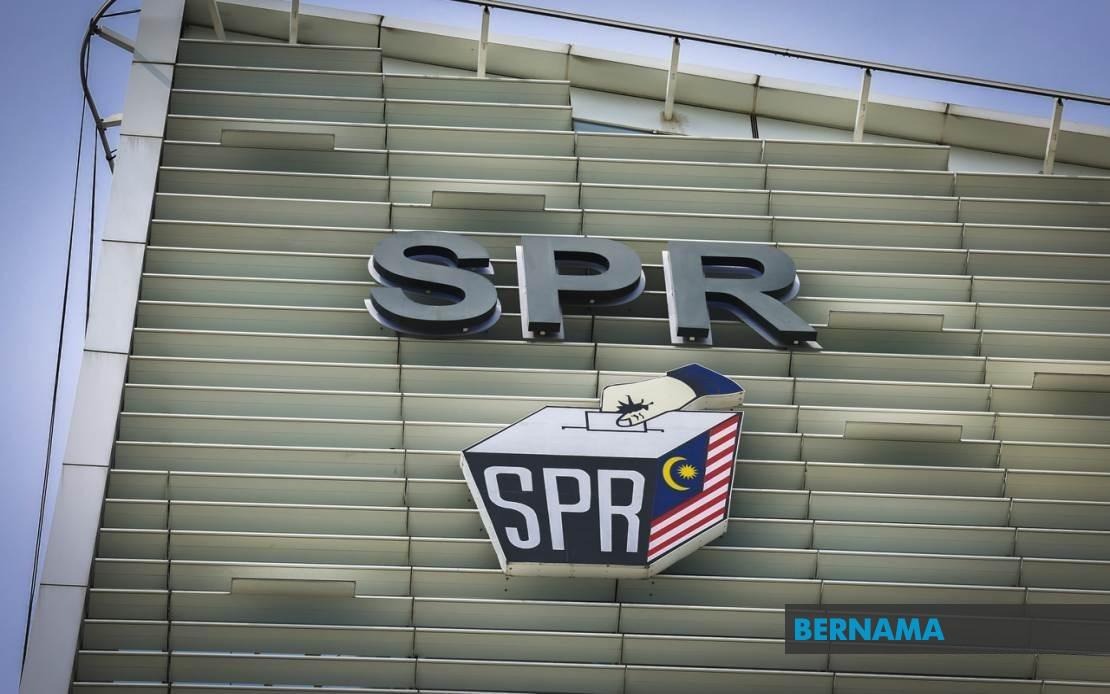
The Election Commission has completed distribution of 24,677 postal voting papers to eligible voters across all 56 state constituencies in Johor, marking a key administrative milestone as the state prepares for its 16th general election on July 11. According to Election Commission secretary Datuk Khairul Shahril Idrus, the issuance process took place across all constituencies today, conducted in full compliance with Regulation 3 of the Election (Postal Voting) Regulations 2003. This orderly distribution underscores the meticulous preparation required to accommodate voters unable to cast ballots in person on polling day, particularly those in essential services and those stationed overseas.
The composition of postal voters reflects the diverse categories of Malaysians eligible to vote by mail. The overwhelming majority of distributed ballots—23,288 papers—went to voters classified under Form 1A, a category encompassing election officials, Election Commission members and staff, police personnel, military personnel, and media practitioners. These groups, essential to maintaining electoral operations and public order, require the postal voting mechanism to perform their duties on election day. Form 1B ballots, totalling 1,044 papers, were allocated to Malaysian citizens residing abroad, enabling diaspora participation in their state's political process. The remaining 345 ballots, issued under Form 1C, were designated for government agencies and organisations whose representatives require voting access.
The distribution process itself was conducted with appropriate transparency and oversight. Datuk Khairul Shahril emphasised that all issuance procedures took place in the presence of representatives from every contesting candidate, ensuring that no single faction could suspect irregularities or bias in the allocation process. This presence of party observers represents a fundamental principle of electoral integrity in Malaysian democracy, allowing all political contenders to witness and verify that procedures conform to established regulations. The involvement of candidate representatives from the outset establishes a foundation of mutual trust critical to post-election acceptance of results.
For postal voters, the Election Commission has issued clear procedural reminders to ensure their ballots count validly. Voters must carefully mark their ballot papers and accurately complete the Identity Declaration Form, designated as Form 2, before returning them to their respective constituency returning officers. Critically, this submission must occur by 5 pm on July 11 itself—polling day—meaning postal voters cannot simply post their ballots weeks in advance but must coordinate timing to ensure delivery before the deadline. This requirement necessitates that overseas voters and those in remote locations plan their postal submissions with precision, as late arrivals will be rejected regardless of circumstance.
A significant emphasis of the Election Commission's guidance concerns ballot secrecy and the prevention of vote-buying or coercion. Postal voters have been explicitly reminded not to photograph their ballot papers or share images on social media, a precaution that addresses modern vulnerabilities to electoral manipulation. In an era of digital communication, the ability to transmit proof of how one voted creates opportunities for coercion—employers, loan sharks, or political operatives might demand photographic evidence of support for particular candidates as a condition of employment, credit, or protection. By warning voters against such documentation and circulation, the Election Commission aims to preserve the privacy that makes voting truly voluntary and free from external pressure.
The broader electoral landscape features 172 candidates contesting across the 56 state constituencies, indicating a competitive and diverse field of aspirants. With early voting scheduled for July 7, the electoral calendar provides a staggered process: early voters can cast ballots three days before polling day, followed by general polling on July 11, with postal votes accepted up to that final deadline. This multi-stage arrangement accommodates various voter circumstances while maintaining administrative manageability for returning officers and election officials.
For Malaysian readers, the postal voting system represents an important mechanism ensuring that no citizen is disenfranchised by virtue of essential employment or geographical location. Election officials, security forces, and media practitioners play indispensable roles during elections themselves, yet their duties might otherwise prevent personal attendance at polling stations. The postal system resolves this tension by recognising that electoral participation and electoral operations both serve democratic values. Similarly, the inclusion of overseas Malaysians affirms that citizenship and voting rights extend beyond territorial borders, enabling Malaysians working or studying abroad to maintain political connection to their home states.
The procedural rigour evident in the postal voting distribution—the requirement for returning by 5 pm on polling day, the verification of identity through Form 2, the witnessing of issuance by candidate representatives—reflects an attempt to balance accessibility with security. Some jurisdictions post ballot papers weeks in advance, creating extended windows during which papers could be lost, stolen, or tampered with. Malaysia's same-day deadline, though demanding for overseas voters, reduces the period during which ballots remain in transit and vulnerable. This approach represents a deliberate policy choice prioritising ballot integrity over maximum convenience.
The Election Commission's explicit warning against photographing ballots and sharing such images online indicates heightened awareness of contemporary electoral threats. Traditional vote-buying involved cash payments; modern variants might involve digital proof. Similarly, coercion historically relied on direct observation or witness testimony; photographed ballots create permanent, shareable evidence. By preemptively addressing these scenarios, the Commission acknowledges that electoral security in a digital age requires protections beyond those sufficient in previous decades. Malaysian voters, particularly the tech-savvy younger generation expected to participate in increasing numbers, must understand that their voting privacy is a right worth actively protecting.
As Johor prepares for its state election, the successful distribution of postal ballots to nearly 25,000 eligible voters demonstrates operational competence at the administrative level. Whether this distribution translates into high postal voter turnout, how constituency returning officers manage the 5 pm deadline on July 11, and whether the ballot secrecy warnings prove effective in practice will collectively determine whether the postal voting system achieves its dual aims: inclusion without compromising electoral integrity.

