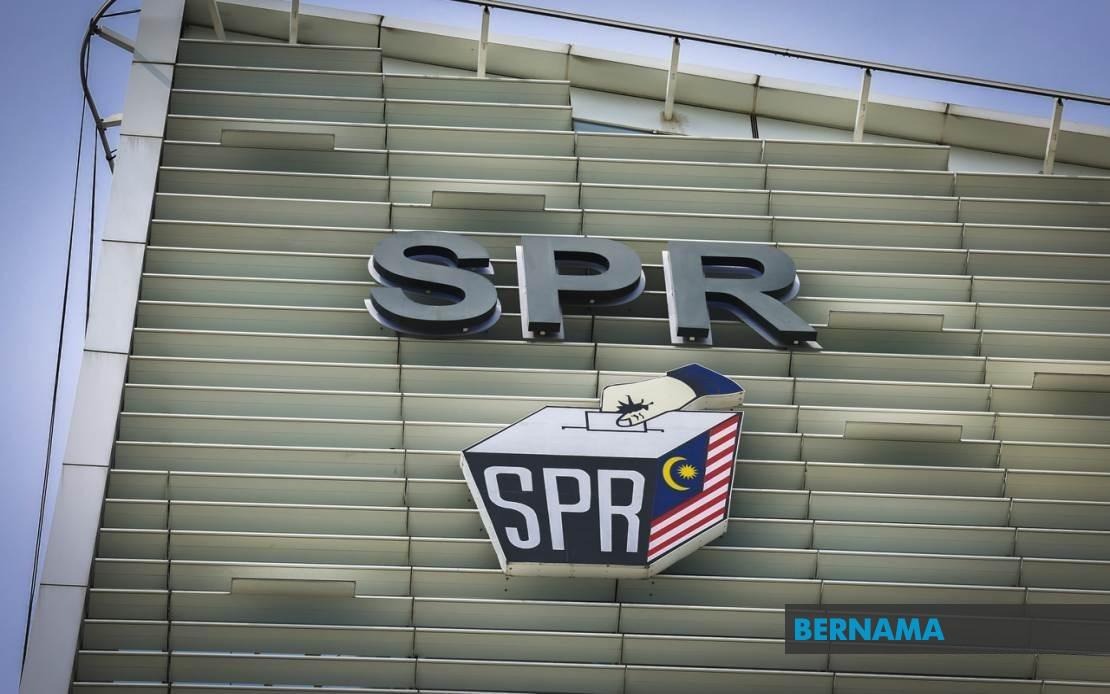
The Election Commission has begun distributing postal ballots for the upcoming Negeri Sembilan state election, with 13,263 ballot papers handed out as the electoral process gathers momentum. The distribution, which took place in Seremban, follows established protocols under the Elections (Postal Voting) Regulations 2003, with EC secretary Datuk Khairul Shahril Idrus overseeing the exercise and confirming its completion in a statement released on July 20.
The postal voting arrangement caters to three distinct voter categories, each issued ballots under different regulatory forms. The largest cohort received ballots under Form 1A, encompassing 12,669 individuals including election personnel, EC members and staff, police officers, military personnel, and accredited journalists. These groups require postal voting facilities due to their operational duties during polling day, which would prevent them from casting votes at traditional polling stations.
A smaller but significant contingent comprises Malaysians living abroad, with 343 postal ballots distributed under Form 1B to enable overseas citizens to participate in their home state's democratic process. The third category, addressed through Form 1C, involves 251 officers drawn from eleven agencies specialising in security and healthcare provision, ensuring these essential service sectors maintain operational capacity on election day while their personnel fulfil voting responsibilities.
The distribution process maintained democratic integrity through the presence of candidate representatives from all participating political parties and independent contenders, providing transparency and ensuring all stakeholders could observe and verify the postal voting procedures. This supervisory arrangement reflects the EC's commitment to maintaining public confidence in the electoral framework, a particularly important consideration in Malaysia's competitive multi-party environment.
Election officials have reminded postal voters to exercise meticulous attention when completing their ballots and accompanying Identity Declaration Forms, designated as Form 2. Accuracy in filling these documents proves essential, as errors could render votes invalid or delay processing. The EC has established a firm deadline of 5 pm on August 1, polling day, for all completed postal ballots to reach their respective returning officers, creating a compressed timeframe that demands immediate action from voters.
Voter confidentiality constitutes another priority area for the EC's guidance, with explicit warnings against photographing completed ballots or distributing ballot images through social media platforms. This instruction addresses contemporary challenges to electoral secrecy posed by digital technology, ensuring that voters' choices remain genuinely private and protected from external influence or pressure. The prohibition reflects international best practices in safeguarding ballot secrecy in an interconnected world.
The postal voting exercise occurs within the broader context of Negeri Sembilan's state election, scheduled for August 1, with early voting opportunities available on July 28. The election will determine representation for 36 state assembly seats, contested by 103 candidates representing multiple political parties and independent aspirants. This competitive field suggests substantial voter interest and political engagement across the state.
The electoral roll demonstrates substantial democratic participation potential, with 889,490 registered voters eligible to participate as of June 4, 2026. This figure comprises 867,151 ordinary voters from the general population, supplemented by 16,884 military personnel and their spouses, and 5,455 police officers designated as early voters. The significant military and police voting contingent reflects Malaysia's constitutional arrangements and the importance placed on securing these constituencies' participation in electoral processes.
The postal voting mechanism represents a pragmatic accommodation to Malaysia's unique circumstances, balancing the need for comprehensive voter participation with operational realities facing essential service providers. For election officials, police, military personnel, and overseas Malaysians, postal voting ensures democratic inclusion despite circumstances that would otherwise prevent attendance at physical polling locations. This flexibility strengthens electoral legitimacy by maximising participation across diverse voter segments.
For Malaysian observers and regional commentators, the postal voting process demonstrates the Election Commission's attention to procedural detail and transparency. The involvement of party representatives in ballot distribution, coupled with explicit security reminders and tight timeline management, suggests an institutional approach emphasising both inclusivity and integrity. Such mechanisms prove particularly significant in a Southeast Asian context where electoral credibility remains contested in various jurisdictions.
The Negeri Sembilan election itself carries implications beyond state-level governance, as it provides signals regarding voter sentiment and party performance ahead of potential federal-level political developments. Postal voting patterns and participation rates among military and police contingents may offer insights into voting behaviour among these traditionally significant constituencies. These data points can inform broader understanding of Malaysia's evolving political landscape and electoral dynamics.

