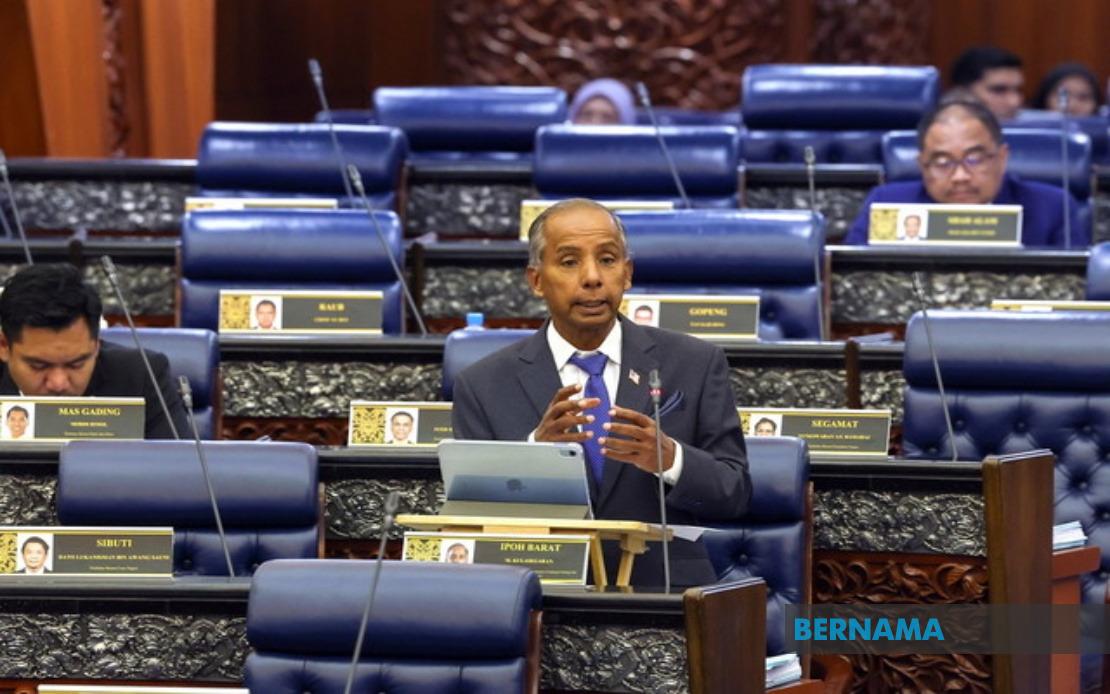
The Election Commission is undertaking comprehensive research into establishing a domestic postal voting framework that would extend across Peninsular Malaysia, Sabah and Sarawak, marking a potential shift in how Malaysians cast their ballots. The initiative represents a significant modernisation effort within the electoral system, addressing long-standing calls for greater voting accessibility and flexibility. Deputy Minister in the Prime Minister's Department (Law and Institutional Reform) M. Kulasegaran disclosed the development during parliamentary proceedings, confirming that detailed examination of the proposal is currently underway.
The scope of this study extends far beyond mere technical feasibility. Kulasegaran emphasised that meaningful consultation with all relevant parties remains essential before any implementation can proceed. Political parties across the spectrum, civil society organisations, and other key stakeholders must be engaged in the dialogue to ensure the proposal reflects diverse perspectives and addresses potential concerns. This inclusive approach reflects growing recognition that electoral reform requires broad consensus rather than unilateral government action.
The timeline for completion stretches into next year, indicating the government recognises the complexity involved in introducing such a significant change to electoral processes. Postal voting systems demand robust safeguards against fraud, secure chain-of-custody procedures, and reliable mechanisms to verify voter eligibility and prevent double voting. The extended study period allows time to examine international best practices, assess potential vulnerabilities, and develop appropriate legislative frameworks. Malaysia can learn from Commonwealth nations and other democracies that have implemented postal voting systems, understanding both successful models and pitfalls to avoid.
The proposal addresses genuine accessibility challenges, particularly for voters in remote areas, those with mobility constraints, and Malaysians working or studying overseas. Postal voting could significantly reduce barriers to political participation and boost overall voter turnout, which has become increasingly important as electoral participation rates fluctuate. For diaspora communities and citizens unable to travel on polling day, such a system would represent a meaningful expansion of democratic rights. The system's extension across all three major regions acknowledges that geographic disparities in voting accessibility remain a pressing concern.
In parallel developments, Kulasegaran indicated government openness to repositioning the Election Commission itself within Malaysia's institutional framework. The possibility of placing the EC under parliamentary oversight rather than the Prime Minister's Department has gained traction, with the deputy minister describing it as a proposal worthy of serious consideration. This shift would represent a fundamental recalibration of electoral governance, enhancing the Commission's autonomy and insulating it from executive influence. Such institutional restructuring has long been advocated by electoral reform advocates who argue that independent electoral commissions strengthen democratic credibility.
The government's stated willingness to examine the EC's institutional positioning reflects broader acceptance that electoral integrity depends partly on how electoral bodies are structured and supervised. Parliamentary oversight could create additional accountability mechanisms and reduce perceptions that electoral processes serve incumbent interests. This represents a subtle but significant acknowledgement that Malaysians' confidence in electoral fairness matters profoundly for democratic health. Moving the conversation from departmental control to parliamentary frameworks signals recognition that electoral administration transcends routine governance functions.
Separately, Kulasegaran addressed concerns regarding enforcement of mobile phone restrictions at polling stations. The EC maintains that existing control mechanisms provide adequate protection against potential electoral misconduct related to device usage. Some observers and election monitors have questioned whether current procedures effectively prevent surreptitious photography or information sharing during voting, raising concerns about ballot secrecy and electoral integrity. The government's position that no amendments are necessary nor specific legislation warranted suggests confidence in present enforcement protocols.
The EC's assessment differs markedly from critics who contend that mobile phone bans lack adequate teeth and enforcement capacity. Creating a specific offence under the Election Offences Act 1954 would potentially impose greater consequences for violators and signal the government's seriousness about protecting voting secrecy. However, the Commission apparently believes that operational procedures currently in place—such as enforcement officer vigilance and voter cooperation—sufficiently address the issue without requiring statutory enhancement. This perspective will likely generate continued debate among election observers and reform advocates who prioritise strengthening protective measures.
The convergence of these electoral developments reflects Malaysia's gradual engagement with modernising its democratic infrastructure. Postal voting expansion, institutional repositioning of the Election Commission, and debate over mobile phone enforcement all emerge from recognising that electoral systems require evolution to serve contemporary needs while maintaining integrity. For Southeast Asian observers, Malaysia's deliberate approach to electoral reform offers instructive lessons about balancing democratic access with safeguarding mechanisms. The next year's study period will prove crucial in determining whether domestic postal voting becomes reality or remains aspirational reform.
These initiatives also carry implications for voter confidence and electoral legitimacy. When governments demonstrate willingness to examine and potentially reform electoral processes, it signals responsiveness to citizen concerns and acknowledgement that democratic systems require ongoing refinement. However, meaningful implementation depends on translating study recommendations into concrete action and legislative change. The coming months will test whether current deliberation translates into genuine systemic improvements or becomes another instance of electoral reform stalled by institutional inertia. The proposals signal potential progress, but outcomes ultimately depend on political will and implementation commitment beyond the research phase.

