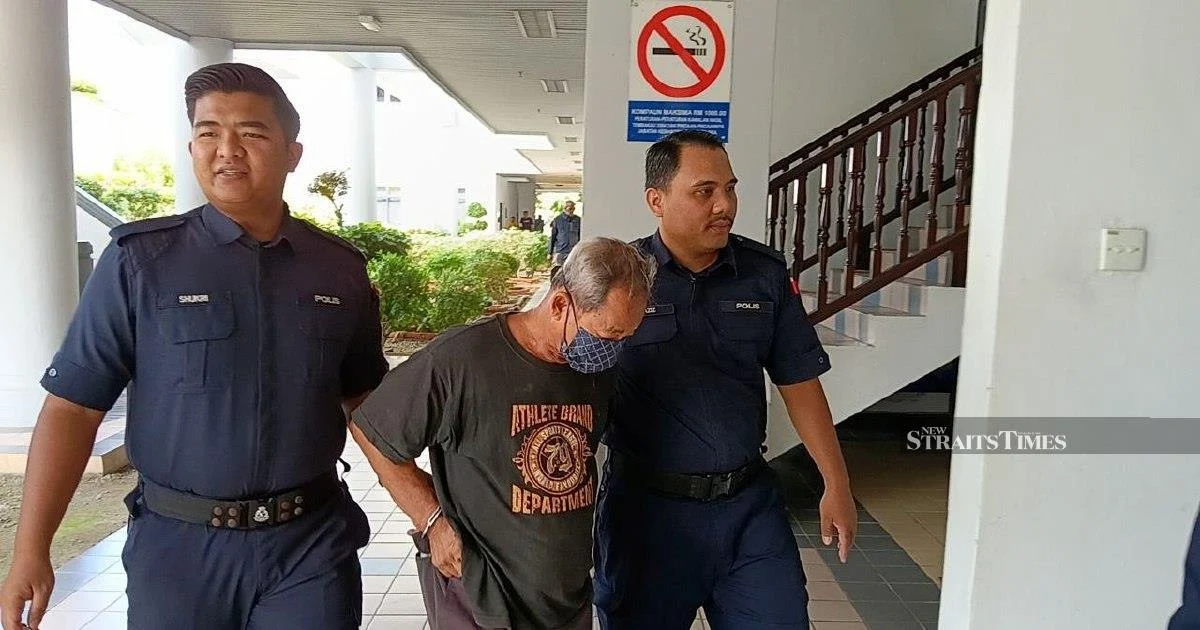
An elderly man was brought before Ayer Keroh Sessions Court in Melaka today to face serious criminal charges involving the sexual assault of two young primary school pupils. The dual accusations mark a concerning case of alleged abuse targeting minors, with the alleged incidents having taken place within the confines of a mosque storeroom—a location that should represent a sanctuary for prayer and refuge.
The charges levelled against the septuagenarian carry significant legal weight, each count relating to physical sexual assault perpetrated against the minor victims. Such cases often attract considerable public attention, particularly when they involve institutional spaces like mosques that hold deep cultural and religious importance within Muslim-majority Malaysia. The courtroom appearance represents the formal commencement of legal proceedings that will determine the veracity of the allegations.
The decision to proceed with charges at the Sessions Court level indicates that authorities and prosecutors have gathered sufficient evidence to move the matter beyond preliminary investigation stages. The Sessions Court jurisdiction demonstrates the gravity with which the legal system is treating these particular allegations. This is not a matter handled at lower magistrate levels, signalling the serious nature of the accusations.
Child sexual abuse cases remain tragically prevalent across Southeast Asia, with Malaysia experiencing numerous documented incidents annually. When such offences occur within religious or community spaces, they strike at the very heart of societal trust and institutional integrity. Parents and guardians throughout the nation often depend upon assumptions of safety when their children attend religious classes, community gatherings, or visit houses of worship.
The alleged location—a mosque storeroom—raises questions about facility management, supervision protocols, and the adequacy of safeguarding measures within religious institutions. Many mosques across Malaysia serve as community hubs where children gather for Quranic classes and religious instruction. Ensuring secure environments for these activities represents an ongoing challenge for mosque committees and administrators nationwide.
The identity and background of the accused individual remain subject to court proceedings. Senior citizens who commit sexual offences against children represent a distinct criminological category that often receives particular scrutiny from both legal authorities and the public. Such cases challenge assumptions about age and propensity for violence, revealing that vulnerability to perpetrators extends across all demographic groups.
Victims of childhood sexual abuse frequently experience profound and lasting psychological consequences that extend far beyond the immediate traumatic incident. Access to appropriate counselling, medical examination, and legal support structures becomes crucial for these young survivors. Malaysian authorities have progressively developed mechanisms to support child victims through the legal process, though resource limitations and societal stigma continue to impede comprehensive care in many regions.
The Melaka case will proceed through the Malaysian court system following established criminal procedures. Evidence presentation, witness testimony, and legal arguments will determine the outcome over coming months. The accused maintains legal rights to present a defence, and the burden of proof remains with the prosecution throughout proceedings.
Community and religious leaders throughout Malaysia have increasingly recognised their responsibility in implementing transparent child protection policies. Training programmes for mosque committees, clear reporting mechanisms, and background screening for individuals working with children represent protective measures that many institutions continue refining. The incident serves as a reminder that vigilance remains essential.
Public awareness campaigns regarding child safety have expanded across Malaysian schools and communities in recent years. Parents, educators, and care providers are being encouraged to educate children about appropriate and inappropriate adult behaviour, recognising that early intervention and knowledge transfer can provide protective benefits. However, translating awareness into measurable reductions in child sexual abuse remains an ongoing challenge.
The Malaysian legal framework provides provisions for sexual offences against children through the Penal Code and the Sexual Offences Against Children Act 2017. Sentencing guidelines for such convictions reflect the gravity with which society views crimes against vulnerable young people. Successful prosecution requires careful handling of evidence and sensitive engagement with child witnesses.
Beyond the immediate legal proceedings, this case underscores broader questions about institutional accountability, community oversight, and the creation of safe spaces for children within religious and secular settings alike. Malaysian society continues grappling with balancing access to community resources against the necessity of robust protective measures. The coming months will reveal whether the justice system provides closure and protection for the alleged victims while maintaining legal integrity throughout the proceedings.

