Eight individuals have been charged with planning a terrorist attack against a mixed martial arts competition held at the White House during celebrations marking President Donald Trump's 80th birthday, according to an announcement by the US Department of Justice on Thursday. The federal grand jury in Columbus has levelled serious charges against the suspects, including conspiracy to provide material support to terrorists, conspiracy to commit murder on federal government property, and conspiracy to murder a federal government official. If convicted on all counts, the defendants face potential life sentences.
The alleged plot represented a sophisticated and multi-layered attack strategy. According to DOJ filings, the conspirators intended to deploy explosive-laden drones around the venue to create panic and force attendees to evacuate. Once crowds began fleeing the scene, the plan called for snipers positioned at strategic locations to target what prosecutors described as high-value objectives among those departing the event. The coordinated nature of the proposed assault—combining unmanned aerial systems with firearm attacks—suggests a level of operational planning that authorities took extremely seriously.
The investigation resulted in the arrest of seven suspects at an earlier stage. However, an eighth individual, a 21-year-old man from West Virginia, was apprehended more recently. Prosecutors have identified this younger defendant as having been specifically recruited to serve as a sniper in the conspiracy, indicating a deliberate division of roles among the alleged plotters.
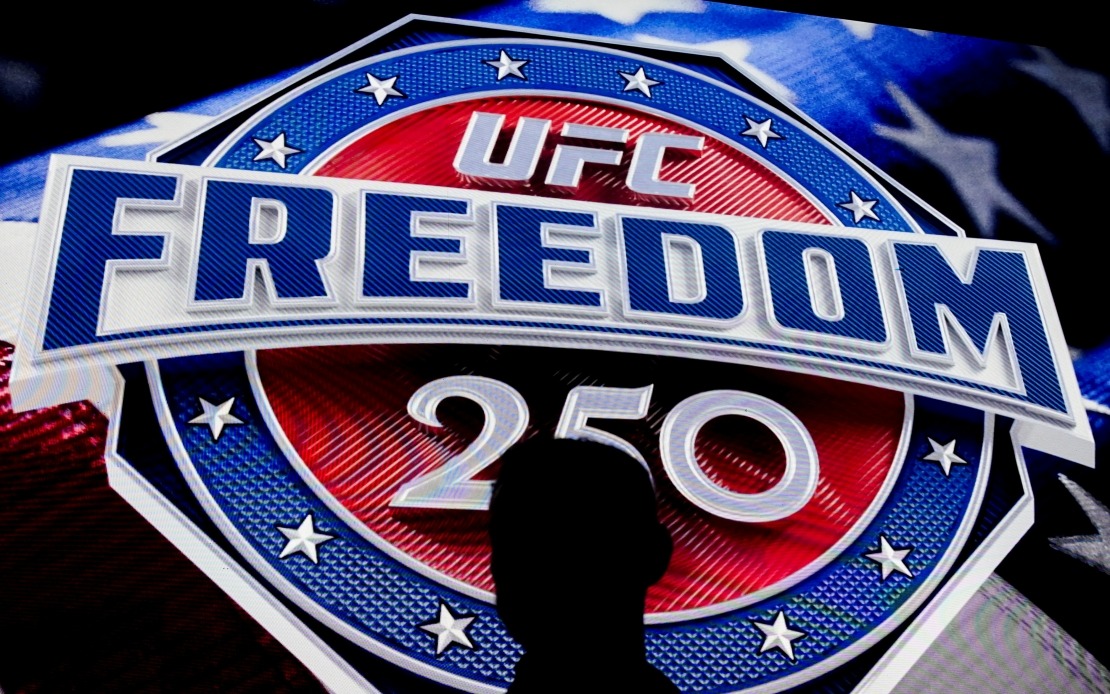
The targeted event was no ordinary sporting competition. Officially titled "UFC Freedom 250," the Ultimate Fighting Championship gathering took place on June 14 within a specially constructed arena positioned outside the White House's South Lawn. The guest list reflected the high-stakes nature of what was being protected: Trump himself was present, along with members of his immediate family and several cabinet-level officials. The concentration of senior government figures in one location made the venue an exceptionally sensitive security environment.
While the event celebrated Trump's milestone 80th birthday, organisers framed it within a broader patriotic context. The UFC presented the gathering as part of commemorations for the 250th anniversary of American independence, though the actual Independence Day falls on July 4. This dual framing allowed the White House to host a presidential birthday celebration while simultaneously marking a significant national historical milestone.
The severity of the charges reflects how seriously federal authorities view the alleged conspiracy. Terror-related charges carry particularly stiff penalties under US law, and the inclusion of multiple conspiracy counts suggests prosecutors believe they can demonstrate a coordinated effort among distinct individuals. The multiple layers of the alleged plot—from procurement of weaponry and drones to recruitment of personnel for specific roles—all point to what authorities characterised as a genuine and concrete threat rather than mere discussion or fantasy.
From a security perspective, the incident highlights the extraordinary challenges posed by protecting high-profile events in Washington DC. The White House, as both a national symbol and an active government workplace, requires constant vigilance against various threat scenarios. The alleged plot's sophistication, particularly the combination of drone technology with traditional sniping, suggests that threat assessment teams must now account for an expanding range of potential attack methodologies that blend older and newer technologies.
The case also underscores the capability and reach of US federal law enforcement in identifying and disrupting terrorist conspiracies before they materialise into actual violence. Whether through informants, surveillance, communications intercepts, or intelligence sharing, authorities were able to track the alleged plot's development and apprehend the participants. For Malaysian observers, the incident serves as a reminder of the global nature of security threats and the importance of international cooperation in counterterrorism efforts.
The timing of the incident—occurring in June but being fully disclosed in July—suggests that the investigation proceeded methodically to ensure thorough evidence gathering and to apprehend all involved parties. The staggered arrests, with the eighth suspect being captured after the initial seven, indicates investigators were still identifying and locating co-conspirators even after the initial wave of arrests.
Looking forward, these prosecutions will likely proceed through the American federal court system over an extended period. The charges carry serious constitutional implications regarding free speech, conspiracy law, and what constitutes a genuine terrorist threat versus protected political speech. These cases often become significant legal precedents that shape how authorities balance security imperatives with civil liberties protections.
For Malaysia and the broader Southeast Asian region, such cases reinforce the necessity of robust intelligence sharing mechanisms and coordinated security protocols for major international events. As this region continues to host large-scale sporting events and political gatherings, the American experience provides valuable lessons regarding threat identification and event security planning.

