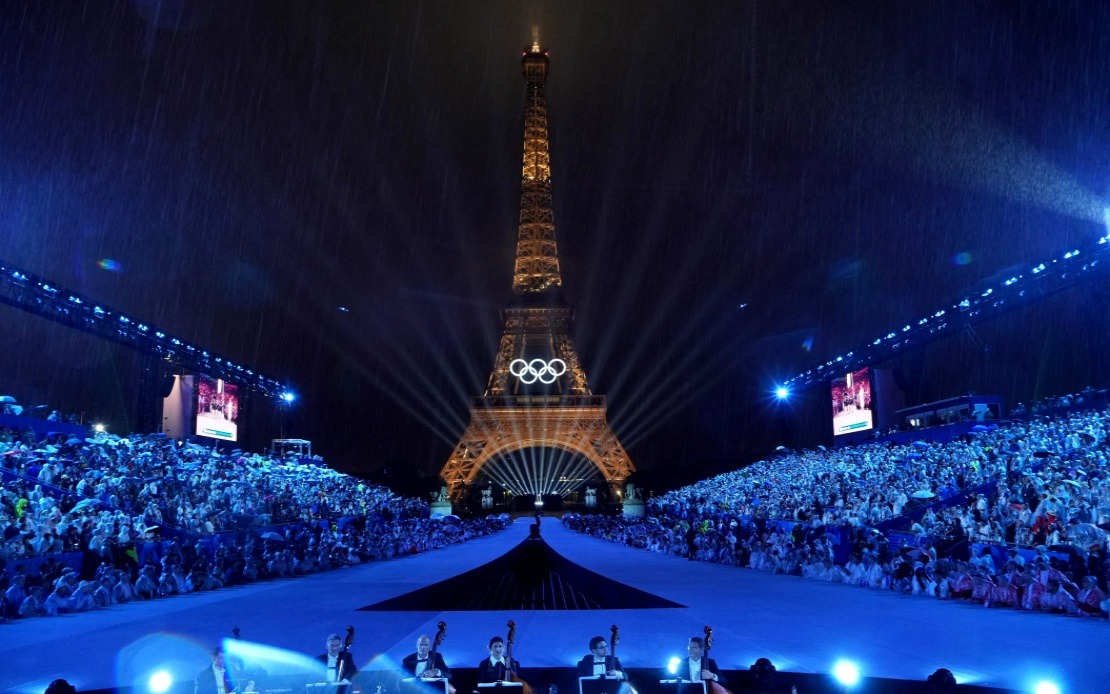
Paris's most celebrated monuments are adapting operations as France confronts one of the season's most punishing heatwaves, with both the Eiffel Tower and the Louvre Museum announcing shortened hours to protect visitors and staff from dangerous temperatures. The decision represents a rare interruption to the normal visitor experience at attractions that typically operate extended hours during the tourist season, underscoring the severity of the meteorological conditions currently sweeping across the country.
The Eiffel Tower closed at 4:00 pm local time on Tuesday rather than its usual evening closure, with last entry cut off at 12:15 pm. Management at Sete, the operating company responsible for the iconic iron structure, stated that the measure was necessary to prioritise the wellbeing of employees and guests as extreme heat posed genuine safety risks. Those who had purchased tickets for time slots from 11:30 am onwards for staircase access or from noon for lift access were automatically refunded, ensuring visitors incurred no financial penalty for the disruption.
The Louvre Museum followed suit with its own precautionary schedule adjustment, announcing it would close at 4:00 pm instead of the standard 6:00 pm closing time from June 24 through June 27. This four-day reduction in operating hours reflects broader concerns across the tourism sector about visitor comfort and staff welfare during sustained exposure to extreme heat. Both institutions serve as significant economic drivers for Paris tourism, and their operational decisions send a signal about the intensity of conditions currently affecting France.
Meteo-France, the national meteorological authority, confirmed that temperatures in the French capital reached 36 degrees Celsius by 4:00 pm on Tuesday, with forecasts projecting even more intense heat on Wednesday when highs could climb to 38 degrees Celsius. The weather service indicated that these conditions would persist through at least Thursday, meaning Paris faced an extended period of dangerous temperatures rather than a brief spike. For context, these temperatures significantly exceed typical early summer conditions in Paris and approach levels that pose substantial health risks, particularly for elderly visitors and those with existing health conditions.
The geographical extent of the heatwave demonstrates its broad regional impact across France. Meteo-France placed 54 departments across mainland France under red alert—the highest warning level in the national alert system—while an additional 35 departments were classified under orange alert. This distribution shows that the heatwave was not confined to Paris or the immediately surrounding region but represented a nationwide phenomenon affecting roughly three-quarters of metropolitan France. The red alert designation indicates that authorities had identified genuine threats to public health and critical infrastructure.
For Malaysian and Southeast Asian readers, such extreme weather events offer important perspective on climate resilience planning. While tropical nations experience high temperatures routinely, the infrastructure, workforce practices, and public health systems in Europe are not optimised for sustained heat exposure comparable to monsoon-season temperatures in Malaysia. The decision by major institutions to curtail operations illustrates how climate change is beginning to disrupt even the most robust economies and well-established visitor attractions, forcing organisations to fundamentally reconsider operational assumptions that have remained stable for decades.
The early closures at these flagship attractions also carry significant economic implications for Paris's tourism sector. Summer represents peak visitor season, and many international tourists plan their Paris itineraries months in advance around accessing major landmarks. The shortened hours create logistical challenges for tour operators, travel agencies, and independent visitors attempting to maximise their time in the city. Hotels, restaurants, and smaller attractions dependent on foot traffic from Eiffel Tower and Louvre visitors may experience reduced revenue during what should be their most profitable season.
From an occupational health perspective, the closure decisions acknowledge that prolonged exposure to 36-38 degree temperatures poses genuine risks to workers employed in customer-facing roles. Museum staff, security personnel, and maintenance workers operating within crowded indoor spaces—which lack the air circulation of modern buildings—face heat stress conditions that can lead to heat exhaustion and heat stroke. By proactively reducing operating hours, these institutions demonstrated recognition that worker wellbeing must take precedence over maximising visitor throughput, a principle that increasingly characterises responsible business operations amid climate volatility.
The heatwave reflects broader European climate patterns that have intensified significantly over the past two decades. France has experienced progressively more frequent and severe heat episodes, with meteorologists noting that such events are becoming more common and more intense due to long-term climate change. The current episode serves as a reminder that even developed nations with sophisticated infrastructure and warning systems face genuine challenges in adapting to changing climate conditions, and that reactive measures like early closures may represent necessary interim responses while longer-term adaptation strategies are implemented across sectors.
For international visitors already in Paris during the heatwave, the early closures presented immediate travel frustrations but also carried implicit health messaging from authorities. By restricting access to crowded indoor spaces during the hottest hours of the day, authorities were effectively directing visitors toward safer behaviour patterns. The automatic refund system for affected tickets demonstrated institutional commitment to minimising financial hardship for visitors affected by circumstances beyond their control, maintaining goodwill during a challenging situation.
The episode also highlights vulnerability in cultural heritage preservation during extreme weather. Beyond visitor safety concerns, extreme heat poses potential risks to sensitive artworks, historical structures, and climate-controlled exhibition spaces. Museums and heritage sites must balance public access with conservation imperatives, and sustained high temperatures can force institutions to prioritise environmental controls for irreplaceable collections over visitor comfort and accessibility. The Louvre's decision to reduce operating hours may partially reflect such conservation concerns alongside worker and visitor safety considerations.
As climate change continues reshaping seasonal weather patterns globally, institutional responses evident in Paris this week will likely become increasingly common across the world. Tourism authorities, heritage site managers, and cultural institutions everywhere are beginning to incorporate climate resilience into operational planning, recognising that traditional operating models based on historical climate conditions require fundamental revision. The decisions made by Paris institutions during this heatwave represent a transitional moment where established practices collide with new environmental realities, a dynamic that will accelerate as extreme weather events become less exceptional and more routine across the globe.