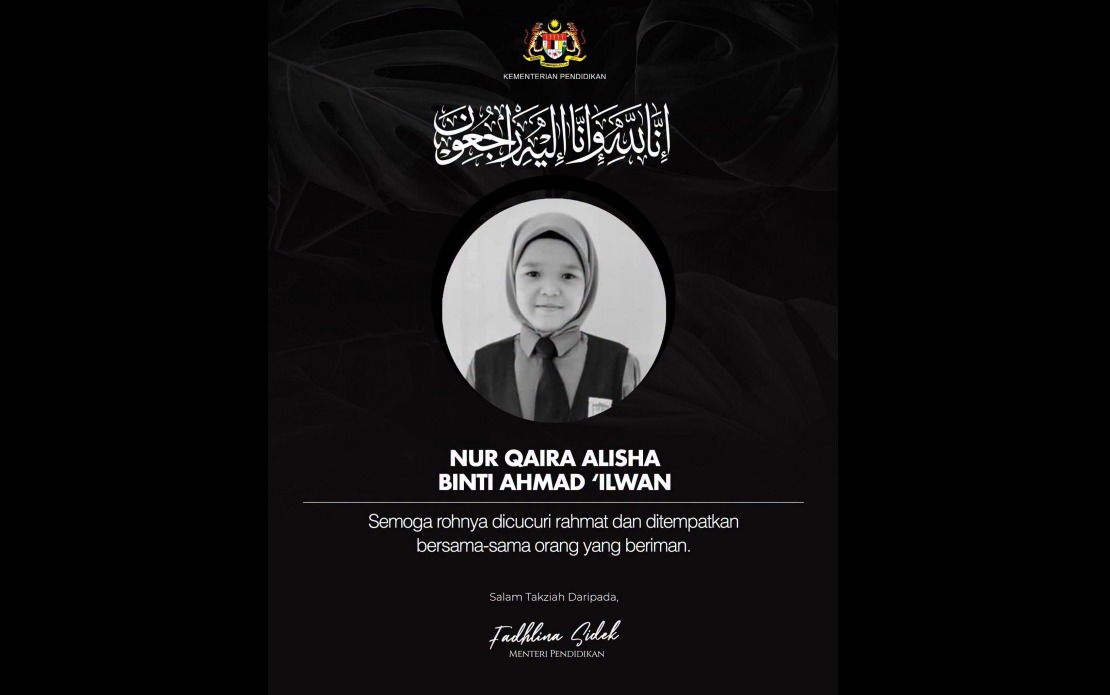
The Ministry of Education has ordered its Integrity Unit to pursue further action on a complaint filed by the family of Nur Qaira Alisha Ahmad Ilwan, a nine-year-old student who died in April. Education Minister Datuk Seri Fadhlina Sidek announced the directive in a statement on Tuesday, emphasizing that any investigation must adhere to established protocols and uphold fairness to all involved. The tragedy has raised serious questions about duty of care in schools and whether staff properly followed medical guidance regarding vulnerable students.
According to Fadhlina, the Kedah State Education Department had already commenced its own investigation into the family's allegations. The minister stressed that the ministry treats all matters pertaining to student safety and welfare as priorities requiring immediate attention and transparent handling. Her statement came amid growing public concern about the circumstances surrounding the pupil's death and whether the school exercised adequate precautions. The minister also extended formal condolences to Nur Qaira's parents and extended family, expressing hopes that they would find resilience during their period of grievance.
Nur Qaira had lived with a serious cardiac condition since infancy, diagnosed when she was only three months old. Medical professionals had consistently advised that she refrain from strenuous physical activity, and the school possessed official documentation confirming her exemption from sports participation. Despite this documented medical history, the pupil was allegedly instructed by a teacher to compete in a running competition during a house selection event on April 15. The decision to allow her participation appears to have disregarded both the medical certificate on file and basic principles of student protection.
The young student's health deteriorated rapidly in the days following the sports event. On April 24, she was admitted to Sultanah Bahiyah Hospital in Alor Setar presenting with severe symptoms including persistent vomiting and pronounced facial swelling. Subsequent medical assessment revealed that she had developed acute heart failure stemming from decompensated dilated cardiomyopathy, a condition that causes the heart muscle to weaken and enlarge. Medical specialists concluded that the physical exertion from the running event had triggered a cascade of cardiac complications that ultimately proved fatal. She passed away while receiving hospital treatment.
The case illuminates a critical gap in how schools manage students with documented medical vulnerabilities. Dilated cardiomyopathy, the condition from which Nur Qaira suffered, poses genuine risk during physical exertion because the weakened heart cannot pump blood efficiently to meet the body's oxygen demands during activity. When muscles work hard, they demand more oxygen-rich blood, and a compromised cardiac system cannot meet this demand, potentially triggering sudden decompensation and life-threatening complications. The medical exemption that Nur Qaira held represented not an inconvenient restriction but a protective measure grounded in sound medical science.
This incident raises uncomfortable questions about communication and coordination within Malaysian schools regarding student medical records. Teachers and school administrators must have systems in place to access relevant health information before involving students in physical activities. The apparent failure to consult Nur Qaira's medical documentation before instructing her to participate in the race suggests either inadequate record-keeping procedures or insufficient staff training on student safety protocols. For schools managing hundreds of students with varying health needs, robust systems preventing such oversights are not luxuries but essential safeguards.
For Malaysian parents, the tragedy underscores the necessity of maintaining not merely physical copies of medical exemptions but ensuring that classroom teachers, not just administrative staff, understand which students require activity restrictions. The burden of student protection cannot rest solely with parents repeatedly reminding schools of their child's condition. Schools bear institutional responsibility for remembering and acting upon this information. The case also highlights how easily communication breakdowns can occur in larger institutions, particularly when multiple staff members might instruct a single student.
The Education Ministry's decision to involve its Integrity Unit represents an important step toward accountability and systemic improvement. This specialized unit investigates matters involving institutional conduct and professional responsibility, suggesting that authorities recognize the complaint raises questions beyond simple administrative error. An integrity investigation can examine whether protocols were followed, whether staff received adequate training, whether warnings were ignored, and whether the school's actions reflected negligence or worse. Such investigations carry the potential to identify systemic failures that, if addressed, might prevent similar tragedies.
Beyond the immediate investigation, this case demands a broader conversation about how Malaysian schools manage student health records and communicate medical restrictions to all relevant staff members. The Education Ministry should consider strengthening national guidelines requiring visible indicators for students with serious health conditions, mandatory staff briefings on individual student medical needs, and clear protocols for verifying medical status before allowing participation in physical activities. Digital systems could flag students with activity restrictions at the point when staff members plan or organize sporting events.
For the education sector across Southeast Asia, this incident serves as a cautionary reminder that modern schools handle not merely intellectual development but profound custodial responsibilities over children's physical wellbeing. Malaysia's commitment to investigating this matter thoroughly will signal to other school administrators the seriousness with which authorities regard such lapses. Educational institutions must cultivate a culture where student safety considerations override logistical convenience, and where documented medical advice receives absolute priority in decision-making.
The weeks ahead will likely reveal more details about how the school managed Nur Qaira's medical information, what training staff received about accommodating students with chronic conditions, and whether clear warnings about her participation restriction had been communicated to all relevant personnel. These findings should inform not merely disciplinary decisions but substantive reforms in how Malaysian schools protect their most vulnerable students.

