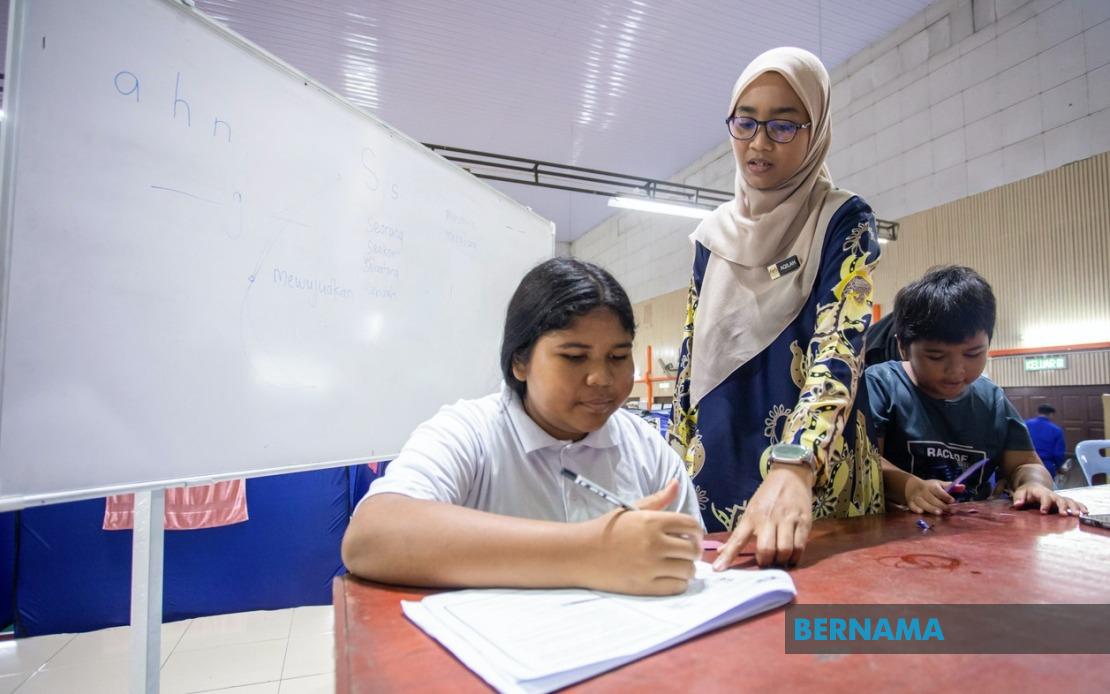
The Education Ministry is mobilising resources to bolster mental health and psychosocial support systems across Malaysia's school sector, prompted by the recent death of a teacher in Hulu Selangor. Education Minister Fadhlina Sidek has committed to strengthening these support structures, reflecting growing recognition that educator welfare must become a priority within the broader education ecosystem.
Fadhlina's response carries particular weight given her background as a mental health advocate before entering politics. Her personal investment in this issue suggests the ministry views educator mental health not as a peripheral concern but as central to educational quality and institutional stability. By publicly connecting her advocacy history to the current initiative, the minister is signalling that psychological support for teachers represents core policy, not merely reactive crisis management.
The ministry has already established collaborative networks involving non-governmental organisations, the Health Ministry, and professional school counsellors to address mental wellbeing within educational settings. These partnerships reflect an understanding that mental health challenges cannot be resolved through education ministry efforts alone. However, Fadhlina's acknowledgment that "there is still much more we need to do" suggests current frameworks may have gaps or insufficient reach, particularly in identifying and supporting educators under psychological stress.
For Malaysian teachers, many of whom work under intense pressure managing large classes, limited resources, and increasing administrative burdens, dedicated psychosocial support could prove transformative. The incident in Hulu Selangor has highlighted vulnerabilities within the teaching profession that extend beyond individual circumstances. Teachers in Malaysia often report feeling isolated, undervalued, and overwhelmed—conditions that psychosocial support systems, if properly resourced and culturally sensitive, could meaningfully address.
The minister's call for peer support among educators—encouraging teachers to check on colleagues and listen actively—recognises that informal support networks often provide more immediate relief than formal channels. This grassroots approach complements institutional efforts and can create a culture where seeking help becomes normalised rather than stigmatised. For a profession where mental health concerns have historically been treated with silence or shame, fostering open dialogue among peers represents significant cultural shift.
Fadhlina's explicit appeal for privacy around the deceased teacher and her family demonstrates awareness of how media speculation can compound grief and potentially discourage others from seeking help. By urging restraint and allowing police investigation to proceed without public interference, the minister is protecting the dignity of those affected while maintaining focus on systemic solutions rather than individual tragedy. This measured approach protects vulnerable individuals while keeping attention on institutional reform.
The timing of this initiative reflects broader international and regional conversations about educator burnout and mental health. Southeast Asian countries including Thailand, Vietnam, and the Philippines have similarly grappled with teacher wellbeing concerns, often linked to inadequate support systems and high job demands. Malaysia's proactive stance positions it as a regional leader in recognising that teacher mental health directly correlates with student outcomes and school safety.
Implementing effective psychosocial support requires sustained funding, trained personnel, and accessible referral pathways. The ministry's emphasis on collaboration suggests resource constraints may necessitate leveraging external expertise and NGO capacity. However, long-term success depends on institutionalising these supports—embedding counsellors within schools, providing regular mental health training for administrators, and creating clear protocols for identifying and assisting struggling educators.
The incident also raises questions about workplace conditions across Malaysia's education sector. Heavy teaching loads, insufficient classroom management support, inadequate compensation relative to qualifications, and limited career progression opportunities create cumulative stress. Psychosocial support, while essential, must accompany structural reforms addressing these underlying pressures. Teachers need both immediate mental health resources and systemic changes that reduce occupational stress.
For school communities confronting grief and shock following the Hulu Selangor incident, having coordinated psychosocial support represents crucial pastoral care. Students, staff, and families affected directly require sensitive, professional support. The ministry's commitment to strengthening these systems ensures schools have frameworks and resources to help communities process trauma and rebuild stability.
Fadhlina's statement that teachers "are not alone" carries symbolic and practical importance. Symbolically, it represents ministerial validation of educator struggles. Practically, it signals availability of support infrastructure—though educators must know where and how to access it. Effective communication about available services remains essential; many teachers may remain unaware of existing mental health resources within their schools or through ministry partnerships.
Longer term, this initiative could catalyse broader discussions about educator welfare across Malaysia's education system. If properly resourced and integrated into school leadership practices, enhanced psychosocial support could improve recruitment and retention of quality teachers, reduce burnout-related absenteeism, and ultimately benefit students and school performance. The connection between teacher wellbeing and educational outcomes is well-established; investing in educator mental health represents investment in Malaysian education's future.

