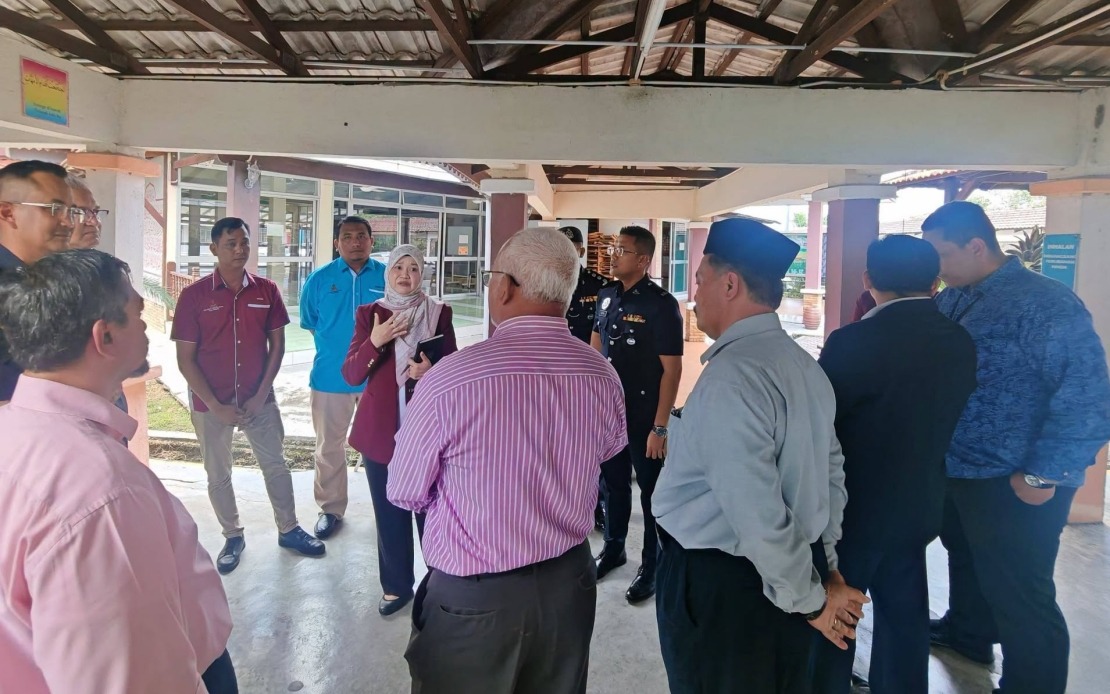
Education Minister Fadhlina Sidek travelled to a secondary school in Banting, Kuala Langat, on July 6 after a Form Three female student sustained stab wounds in an incident that morning. The minister's visit, which commenced at 1.20 pm, underscored the seriousness with which the education portfolio is treating school safety following what appears to be the latest in a concerning trend of violence within educational institutions across the country. During her time at the facility, Fadhlina engaged directly with the school's leadership to understand the circumstances surrounding the attack and assess the immediate needs of those affected.
Authorities received initial reports of the stabbing at 9.50 am, prompting a swift police response to the school premises. Kuala Langat district police chief Supt Mohd Akmalrizal Radzi confirmed that the injured student had been struck with a knife by another female pupil, though investigators did not immediately disclose the motive or circumstances leading to the assault. The victim was quickly transported to Banting Hospital where medical staff confirmed she was in stable condition, allowing authorities to focus their efforts on the broader investigation without the added pressure of life-threatening injuries.
Royal Malaysia Police moved rapidly to secure the school environment and apprehend the alleged assailant, who was taken into custody pending further questioning. The swift detention represented standard operating procedure for such incidents, though it raised questions about how a weapon had entered school premises in the first place. The suspect's cooperation with investigators would be crucial in determining whether the attack was premeditated, stemming from a personal dispute between students, or arose from some other catalyst that authorities would need to examine thoroughly.
Fadhlina's public statements following her visit prioritised two immediate imperatives: ensuring the stabbing victim received comprehensive medical treatment and establishing robust psychological support for the broader school community. Her acknowledgment that trauma extended beyond the physical injuries themselves reflected growing recognition among policymakers that incidents of violence within schools create ripple effects that can influence the mental health and sense of safety among hundreds of students and staff members. The minister appealed to the public to exercise restraint in discussing the matter, cautioning against the spread of unverified information or speculation that might complicate the investigation or cause additional distress to those involved.
Local assemblyman V. Paparaidu, who chairs the Selangor Human Resources and Poverty Eradication Committee, seized on the incident to renew calls for enhanced security protocols at educational institutions across the state. His advocacy emphasised that security personnel must maintain heightened vigilance during peak arrival and departure times when student vulnerability is greatest. Paparaidu stressed that controlled access points represent a fundamental requirement rather than an optional enhancement, arguing that unauthorised individuals must be systematically prevented from moving freely through school grounds. His intervention reflected mounting pressure on elected representatives to demonstrate concrete responses to school safety concerns among constituents worried about their children's wellbeing during school hours.
The stabbing incident in Banting arrives at a moment when Malaysian schools face intensifying scrutiny regarding their capacity to protect students from violence and antisocial behaviour. Previous incidents involving students bringing weapons to school, engaging in bullying that escalated to physical confrontations, or experiencing attacks by external actors have prompted repeated calls from parents, educators, and civil society organisations for comprehensive safety reviews. The challenge facing education authorities extends beyond physical security measures to encompassing holistic approaches addressing the psychological drivers that might motivate young people to resort to violence as a means of resolving conflicts.
State Education Department personnel responded swiftly by deploying counsellors and psychosocial support specialists to the affected school, demonstrating that official protocols for managing school crises have evolved to address trauma and emotional recovery. The availability of trained professionals who can work with students and staff in the aftermath of traumatic incidents represents progress, yet questions persist about whether such support is sufficiently resourced and accessible across all Malaysian schools, particularly those in rural or underserved areas. The department's engagement with the victim's family indicated awareness that family members would also require guidance navigating the emotional and logistical consequences of such incidents.
The incident raises broader questions about the intersection of school security, mental health support, and discipline systems within Malaysian education. While physical security enhancements such as improved gate monitoring and trained security personnel represent necessary steps, they operate in isolation from interventions addressing underlying causes of student-on-student violence. Educators and policymakers increasingly recognise that factors including inadequate conflict resolution training, insufficient guidance counsellor resources, and limited mental health services contribute to an environment where disputes between students can escalate to physical violence. Addressing these structural deficiencies requires sustained investment and systemic reform extending far beyond the immediate response to individual incidents.
Fadhlina's commitment to maintaining transparency throughout the investigation signalled an attempt to balance competing interests between respecting police investigative procedures and acknowledging public concern about school safety. Her pledge to release further updates once authorities cleared information for public disclosure reflected the tension between maintaining operational security during investigations and meeting the legitimate information needs of parents, educators, and the broader community. The manner in which such incidents are communicated can significantly influence public confidence in both police competence and education ministry responsiveness, making the communication strategy itself an important aspect of crisis management.
For Malaysian schools and education authorities, this incident serves as a sobering reminder that comprehensive safety frameworks must integrate physical security measures, mental health and counselling services, conflict mediation programmes, and staff training in recognising and responding to warning signs of escalating student tensions. Banting, like many Malaysian communities, will need time for the school environment to recover its sense of safety and normalcy. The work of investigators, medical professionals, counsellors, and administrators in the coming weeks will be crucial in supporting victims and preventing similar incidents, while broader policy discussions about how Malaysia's schools can become genuinely safer spaces for all young people remain urgently necessary.

