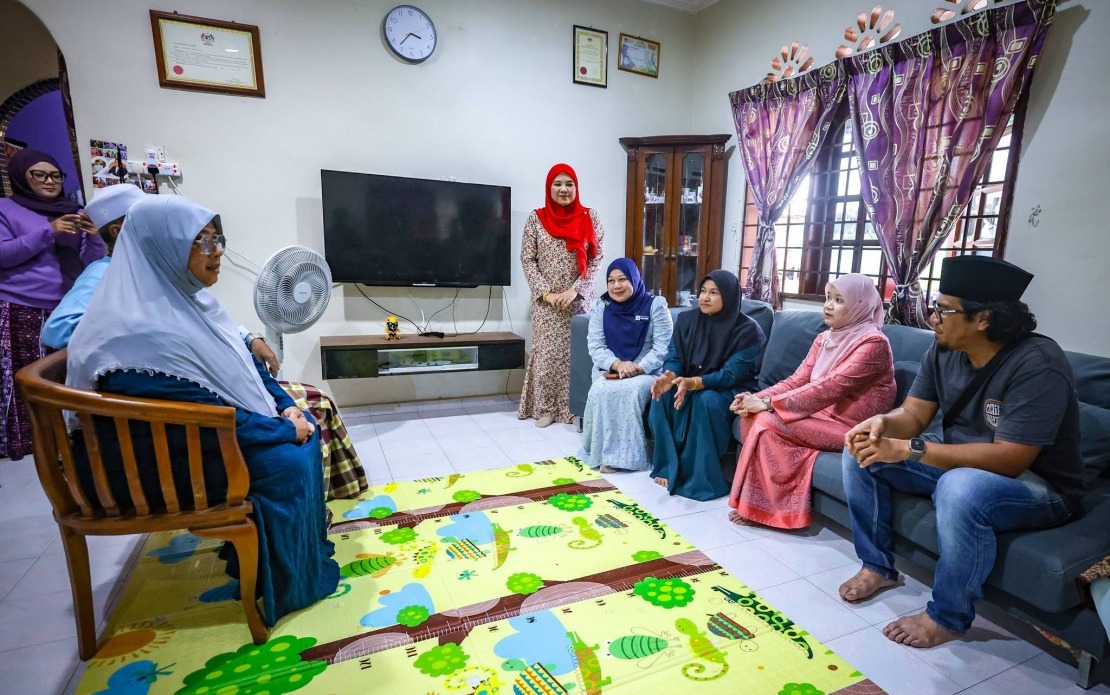
Education Minister Fadhlina Sidek paid a condolence visit to the family of Muhammad Raiyan Nufael, a Form Two student who tragically died after collapsing during a rugby training session at a school in Telok Mas, Melaka. The incident occurred on Wednesday evening at approximately 6 pm, shocking the school community and prompting an immediate response from the Ministry of Education's leadership. Through a Facebook post, Sidek expressed her solidarity with the grieving family and conveyed the collective sympathy of the ministry.
The 14-year-old student's death has raised urgent questions about safety protocols during sporting activities in Malaysian schools. According to initial reports, the teenager had only participated in approximately 15 minutes of rugby training before the tragedy unfolded. The collapse occurred under circumstances that suggest the incident happened rapidly, leaving little time for intervention despite the presence of coaching staff and potentially other support personnel at the training ground.
The sequence of events leading to the fatal collapse appears significant. After a brief training period, the student was reportedly listening to instructions being delivered by the coach during what was designated as a training break. It was during this phase, when physical exertion had momentarily ceased, that the teenager began experiencing severe respiratory distress. This timing raises medical questions about the underlying cause of the collapse, including considerations of heat-related illness, cardiac conditions, or other acute medical emergencies that can occur in adolescents during or immediately after physical activity.
Sidek's visit represents the ministry's acknowledgment of the gravity of the situation and its commitment to engaging directly with affected families during such tragedies. In her statement, the minister invoked Islamic sentiments, praying that the deceased student's soul would rest among the righteous and seeking divine strength for the bereaved family during their period of grief. Such gestures, while providing emotional support, also underscore the ministry's responsibility to review and potentially strengthen safety measures governing school sports activities across the nation.
This incident occurs within a broader context of school safety concerns in Malaysia that have periodically surfaced in recent years. The collapse of a young athlete during training raises multiple dimensions for investigation and potential policy response. School administrators, coaches, and education officials must confront difficult questions about training intensity levels for adolescent athletes, medical screening procedures before sports participation, and emergency response capabilities at school facilities.
The circumstances surrounding the teenager's death also point to the importance of preparedness in school environments. Questions emerge regarding whether first aid trained personnel were immediately available, whether automated external defibrillators or other emergency medical equipment were accessible at the training venue, and whether protocols existed for rapid emergency medical response. These considerations extend beyond this single tragic incident to encompass systemic approaches to student safety across Malaysian educational institutions.
For Malaysian parents and school communities, incidents of this nature inevitably trigger concerns about the balance between encouraging sporting participation and ensuring adequate safeguards. Rugby, like other contact sports, requires appropriate supervision, conditioning protocols, and medical oversight. The tragedy in Telok Mas may prompt renewed examination of how schools structure athletic programs, particularly for younger participants who may have varying levels of physical fitness and undiscovered medical vulnerabilities.
The Ministry of Education's response, demonstrated through the minister's personal visit, signals that the incident will likely receive official attention beyond mere expressions of sympathy. Educational authorities across Malaysia may anticipate increased scrutiny of their own sports safety procedures, coaching qualifications, and emergency medical preparedness. Such incidents sometimes catalyze policy reviews and the implementation of stricter guidelines for school-based athletic activities.
For the broader Southeast Asian context, the incident reflects challenges faced across the region regarding school safety standards and the sometimes competing priorities of promoting athletic excellence and maintaining protective environments for young people. Malaysia's response to this tragedy may influence approaches adopted by neighbouring countries grappling with similar issues in their educational systems.
The death of Muhammad Raiyan Nufael represents not only a profound loss for his family but also a moment for the Malaysian education sector to reflect on its responsibilities in student welfare. As authorities investigate the precise circumstances and underlying causes of the collapse, the case will likely inform discussions about training methodologies, medical supervision standards, and emergency response procedures in schools nationwide. The minister's visit reflects institutional commitment to supporting affected families while the systematic implications of this tragedy extend to questions of how Malaysia protects young athletes within its educational framework.

