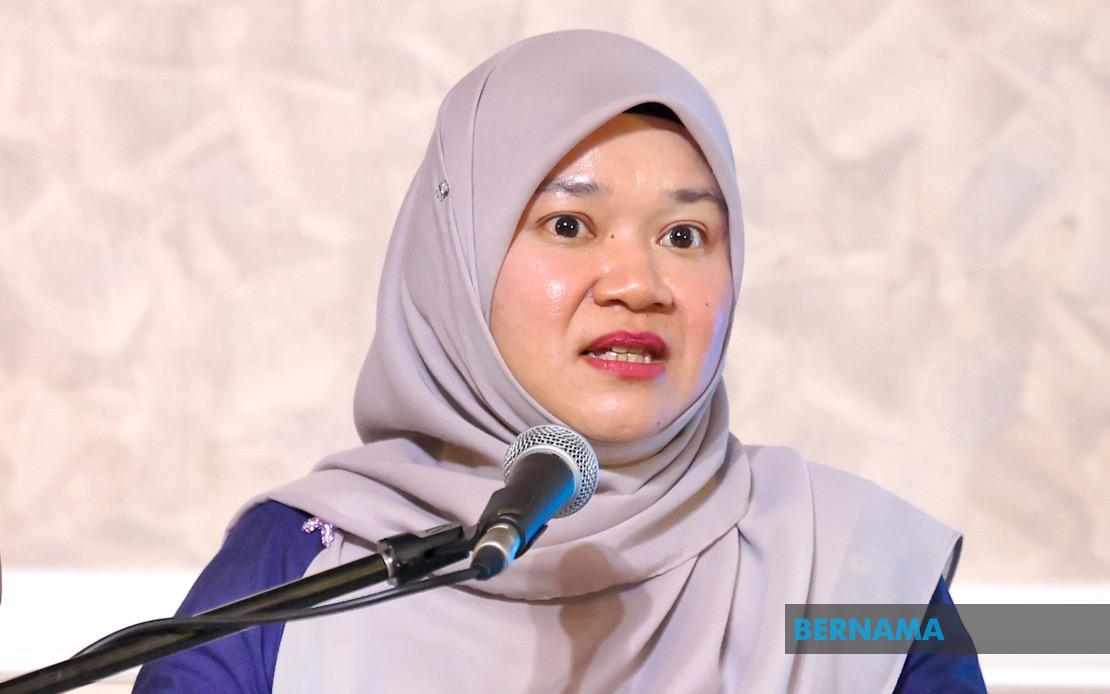
Education Minister Fadhlina Sidek, who heads the women's wing of Parti Keadilan Rakyat, has escalated her response to a malicious AI-generated video by lodging a formal police report in Kuala Lumpur. The move marks a significant step in addressing what has become an increasingly common threat to public figures in Malaysia: the weaponisation of artificial intelligence technology to create false and defamatory content designed to damage reputations.
In a statement released on June 24, Fadhlina characterised the video's dissemination as deliberately malicious, describing it as a calculated attempt to undermine her public standing and personal integrity. The circulation of such fabricated material represents a troubling trend where deepfake and AI-generated videos are being weaponised against political figures, particularly women in positions of authority. Fadhlina's decision to involve law enforcement signals her determination to pursue legal remedies rather than allow such attacks to pass unchallenged.
The Education Minister's action carries particular weight given her dual prominence in Malaysian politics. As a senior PKR figure and minister overseeing one of the country's most critical portfolios, Fadhlina occupies a position where her credibility directly influences public confidence in education policy. The timing and nature of the attack suggest a pattern of targeting women politicians with digitally manipulated content, a phenomenon that has gained momentum across Southeast Asia as technology becomes more accessible and sophisticated.
Fadhlina's call for police investigation and action underscores the urgent need for law enforcement to develop expertise in combating digital-based defamation. Malaysian authorities have previously struggled with emerging technologies outpacing existing legislative frameworks. The police will need to trace the video's origins, identify those responsible for its creation and distribution, and determine which provisions of Malaysia's laws on defamation, criminal intimidation, or cybercrime apply to AI-generated content.
Beyond the immediate case, Fadhlina has made a broader appeal to Malaysian society to adopt an uncompromising stance against slander, character assassination, and sexual harassment directed at women in politics. This appeal reflects a growing concern among female politicians across the region about the gendered nature of such attacks. Women politicians face disproportionate levels of online harassment and defamation compared to their male counterparts, a problem that intensifies when new technologies enable creation of false but convincing content.
The incident highlights a critical gap in Malaysia's digital governance and cybersecurity infrastructure. While the country has made efforts to modernise its approach to online content regulation, the specific challenge posed by AI-generated defamatory material remains inadequately addressed by existing legal frameworks. Current laws focus on traditional defamation or unauthorised disclosure of intimate images, but do not explicitly account for deepfakes and synthetic media designed to deceive.
For Malaysian readers, this development carries implications beyond the immediate political sphere. As AI technology becomes more prevalent and easier to use, the risk of similar attacks affecting other public figures, business leaders, and even private individuals will almost certainly increase. The precedent set by how authorities handle Fadhlina's case will likely influence how future incidents of AI-based defamation are prosecuted and what legal protections citizens can expect.
The broader context also involves international dimensions. Several Southeast Asian nations, including Singapore and Thailand, have begun addressing AI-generated defamatory content through legislative amendments and law enforcement guidance. Malaysia's approach will be watched as an indicator of the country's readiness to tackle emerging digital threats. Coordinated regional responses may eventually become necessary to address the cross-border nature of online defamation and the difficulties of tracing content origins across jurisdictions.
Fadhlina's decision to make her police report public rather than handling it privately sends a deliberate signal to other potential targets of similar attacks that legal recourse is available. Her statement also challenges Malaysian society more broadly to recognise that character assassination of women in politics represents a threat not only to individual dignity but to the functioning of democratic institutions that depend on allowing qualified women to participate fully without facing disproportionate harassment.
The investigation that follows will likely generate important questions about digital literacy, content verification, and media responsibility in Malaysia. News organisations, social media platforms, and digital intermediaries will face scrutiny regarding their roles in allowing such content to spread. The case may eventually prompt conversations about the need for media literacy programmes and content moderation standards that can keep pace with rapidly evolving technology.