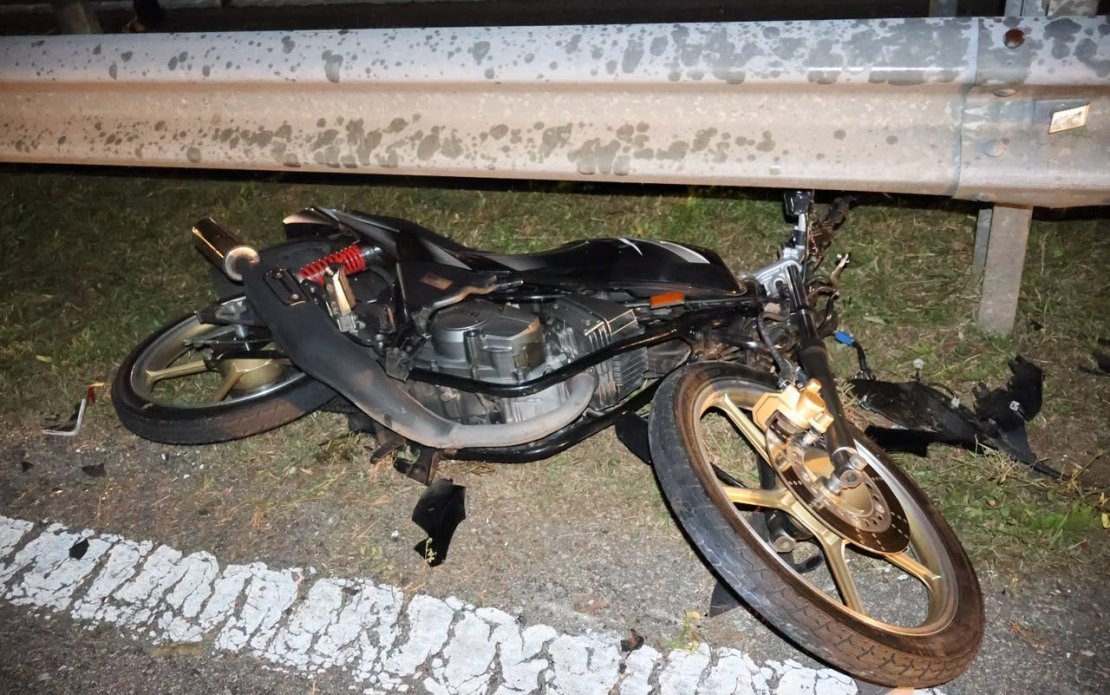
Kuala Lumpur's traffic authorities have signalled a significant shift in their approach to road safety, arguing that police crackdowns alone cannot address the rising tide of reckless driving that continues to claim lives on Malaysian highways. Datuk Seri Muhammed Hasbullah Ali, who heads the Bukit Aman Traffic Investigation and Enforcement Department (JSPT), made this assessment following a catastrophic collision on the East Coast Expressway that killed four motorcyclists and injured twenty others in the early hours of July 11.
The fatal incident underscores a persistent problem that enforcement agencies across Malaysia struggle to contain: motorists, particularly younger riders, who deliberately disregard traffic laws. Muhammed Hasbullah highlighted a critical distinction in his remarks—that the most dangerous road behaviour stems not from ignorance but from deliberate choice. Motorcyclists engaged in reckless riding, illegal street racing, and stunt performances on busy routes are often motivated by desires for personal gratification or recognition among peers, rather than lack of awareness about traffic regulations.
This observation has significant implications for road safety policy across Malaysia and the broader Southeast Asian region, where motorcycle culture and youth involvement in dangerous riding practices have become entrenched social phenomena. The JSPT director's statement reflects growing recognition among law enforcement that traditional deterrence models—based on fines, penalties, and licence suspensions—have limited effectiveness when confronting behaviour rooted in social attitudes and peer influence rather than mere rule-breaking.
Muhammed Hasbullah explicitly called for a multi-stakeholder approach that extends far beyond police patrols and checkpoint operations. The framework he outlined assigns crucial responsibilities to parents, educational institutions, and community organisations. By involving families in the process of instilling responsible attitudes toward road use, authorities hope to reach riders before dangerous habits become entrenched. Educational institutions, from secondary schools to vocational centres where many young motorcyclists are concentrated, represent key intervention points where road safety messaging can be embedded in broader character development programmes.
The community engagement dimension carries particular weight in the Malaysian context, where informal networks and cultural influences often outweigh official messaging. Neighbourhood associations, religious organisations, and youth groups possess credibility and reach that government agencies cannot always achieve independently. When these entities actively promote safe riding practices and discourage participation in illegal street races, they leverage social pressure in positive directions—counteracting the peer recognition mechanisms that currently incentivise dangerous behaviour.
The tragedy on the East Coast Expressway illustrates the stakes involved in this policy debate. The four fatalities represented not merely enforcement failures but the culmination of decisions by riders to engage in conduct they knew to be dangerous. The twenty injured persons, moreover, included innocent road users whose only misfortune was sharing the highway with reckless motorcyclists. Beyond the immediate human toll, such incidents generate broader impacts: trauma among witnesses, economic costs from medical treatment and vehicle damage, and erosion of public confidence in road safety measures.
Muhammed Hasbullah reaffirmed that JSPT will continue its enforcement operations with vigour, insisting that stern action remains necessary for anyone operating vehicles dangerously. The point being made, however, is that enforcement represents one component of a comprehensive strategy rather than a complete solution. Police resources remain finite, and the density of traffic on Malaysian expressways means that continuous surveillance of all road users remains impossible. An enforcement-centric approach must therefore be augmented by cultivation of internal safety consciousness among drivers and riders themselves.
The timing of these remarks reflects broader shifts in global road safety thinking. International organisations and research institutions increasingly emphasise the role of behavioural and social factors in traffic safety outcomes. Malaysia's acknowledgment of this reality through statements from senior JSPT leadership suggests potential for more integrated policy frameworks that complement traditional policing with education, community mobilisation, and youth engagement programmes.
The East Coast Expressway incident also highlights the particular vulnerability of motorcyclists, who account for a disproportionate share of Malaysia's road fatalities despite representing a smaller fraction of overall traffic volume. The motorcycle culture in Malaysia encompasses diverse populations—from commuters relying on two-wheelers for daily transport to youth participants in informal racing subcultures. Designing interventions that address safety across this heterogeneous population requires nuance; blanket enforcement approaches may inadvertently alienate the very communities whose engagement is essential for meaningful change.
Moving forward, the challenge for Malaysian authorities will involve translating Muhammed Hasbullah's statements into concrete institutional change. This requires funding for educational programmes, coordination between police and education ministries, and sustained engagement with community leaders. Schools will need curriculum space and teacher training to deliver effective road safety education. Families require accessible information about monitoring and guiding their children's driving behaviour. Communities need platforms to organise advocacy efforts and social accountability mechanisms.
The JSPT director's remarks also carry implications for how Malaysia positions itself within regional road safety discussions. Many Southeast Asian nations grapple with similar challenges around motorcycle safety and youth involvement in dangerous driving practices. Malaysia's willingness to publicly acknowledge the limitations of enforcement-only strategies and to champion comprehensive approaches may influence policy discussions across the region.
Ultimately, the path toward reducing road fatalities on Malaysian expressways involves accepting that legal penalties and surveillance cannot substitute for genuine internalisation of road safety values. Creating a culture where responsible behaviour on roads becomes a marker of personal character and social responsibility—rather than merely compliance motivated by fear of punishment—represents the deeper objective that authorities must pursue. The tragedy of the East Coast Expressway serves as a sobering reminder that this cultural transformation remains incomplete and urgent.

