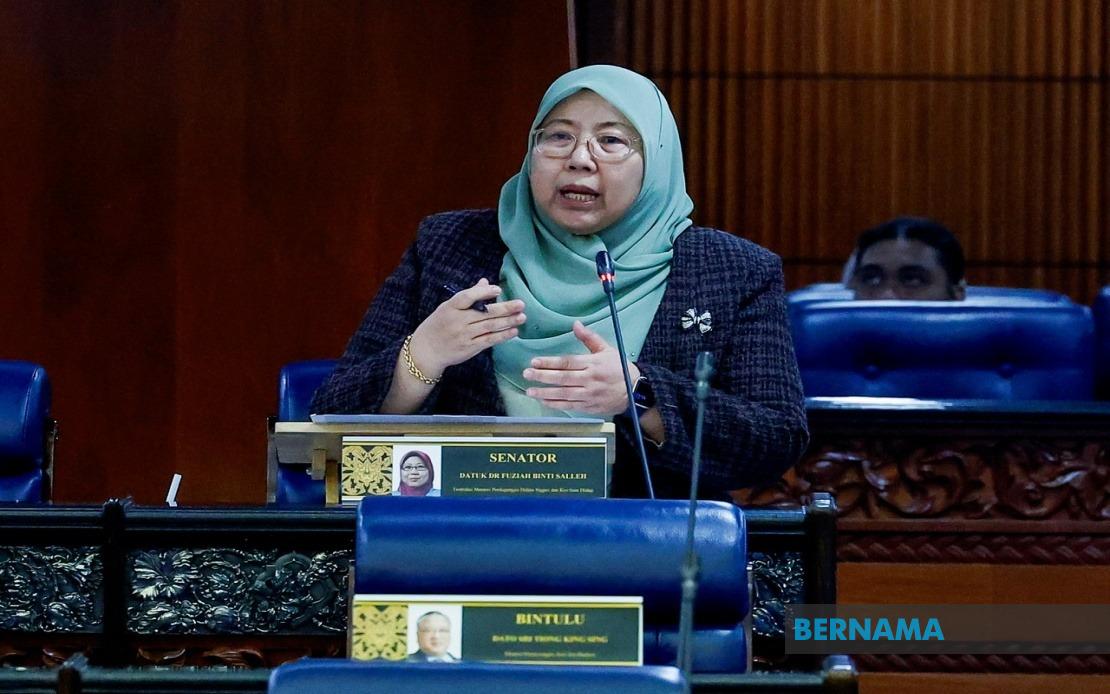
Malaysia's efforts to plug wastage in its subsidised cooking oil programme are showing tangible results, with the Cooking Oil Price Stabilisation Scheme (eCOSS) mobile application demonstrating clear success in its first year of operation. Datuk Dr Fuziah Salleh, Deputy Minister of Domestic Trade and Cost of Living, informed Parliament that the platform has effectively prevented leakages of the one-kilogramme subsidised packets while keeping the product readily available to legitimate Malaysian consumers.
Since its introduction in May last year, the eCOSS app has attracted 5.261 million registered users and has facilitated average monthly purchases of 18 million packets of subsidised cooking oil. These figures suggest broad public acceptance of the digital scheme and consistent demand for the subsidised product among Malaysian households. The application represents a technological solution to a longstanding problem in Malaysia's subsidy apparatus—the diversion of price-controlled goods to unofficial channels and unintended beneficiaries, which has historically drained public resources and undermined policy objectives.
The deputy minister identified two critical performance indicators that validate the system's effectiveness. First, the steady supply of subsidised packet cooking oil remaining visible in retail outlets across the country indicates that the digital tracking mechanism is successfully preventing large-scale diversion. Second, the ministry has received relatively few complaints from consumers unable to obtain the product at official prices, suggesting that legitimate demand is being met without artificial scarcity. This contrasts with earlier concerns that limiting access through identification requirements might create bottlenecks or inconvenience ordinary Malaysians.
Johor, one of the scheme's pilot states, provides a concrete case study of the app's impact. The state has recorded 580,000 app downloads and 1,093 retailers—roughly 39 percent of the state's 2,822 registered retailers—actively using the eCOSS platform. More significantly, formal complaints about cooking oil shortages in Johor plummeted from nine cases in June 2025 to only two in June this year, demonstrating measurable improvement in supply stability. This dramatic reduction suggests that the digital verification system is working as intended, eliminating or substantially reducing the informal market that previously absorbed subsidised supplies.
Addressing a key vulnerability in any digital-based subsidy scheme, the ministry has implemented safeguards for citizens with limited technological proficiency or device access. Senior citizens and residents in rural and remote areas—demographics that might struggle with smartphone applications—retain access to subsidised cooking oil through traditional manual purchase channels at retail outlets. The ministry has complemented these offline options with public awareness campaigns, instructional videos, and on-site assistance from retail staff, ensuring that digital literacy gaps do not translate into exclusion from the subsidy programme.
The eCOSS application functions as the consumer-facing component of a broader digital supply chain monitoring system. By enabling real-time tracking from refineries through repackaging facilities, wholesalers, and retailers to end consumers, the platform provides unprecedented visibility into the movement of subsidised goods. This last-mile connectivity is crucial because it closes the traditional gap where unaccounted diversions occurred—the point where products left formal distribution channels. Crucially, Fuziah clarified that the app operates independently from enforcement operations, meaning it serves primarily as a tracking and monitoring tool rather than a surveillance mechanism.
The ministry continues to refine the scheme based on user feedback and market observations. This iterative approach recognises that no first-generation subsidy control system is perfect, and that field experience often reveals unforeseen challenges or inefficiencies. By systematically evaluating how consumers and retailers interact with the platform, officials can identify friction points and implement improvements that balance accessibility with accountability. This stance suggests a pragmatic commitment to making the system work for ordinary Malaysians rather than merely imposing bureaucratic constraints.
From a regional perspective, Malaysia's eCOSS initiative demonstrates how developing economies can leverage mobile technology to enhance the targeting and delivery of social subsidies. Many Southeast Asian countries struggle with similar leakage problems in food and fuel subsidy schemes, where identifying intended beneficiaries and preventing diversion requires extensive administrative infrastructure. Malaysia's approach—using widespread smartphone penetration and digital identity systems to verify eligibility and track transactions—offers a scalable template that other nations might adapt. The relatively high registration rate of 5.261 million users reflects both the subsidy's genuine importance to household budgets and the feasibility of digital-first solutions in Malaysia's technology-enabled environment.
The political context surrounding cooking oil subsidies in Malaysia cannot be ignored. Food price stability remains a sensitive electoral issue, with frequent complaints about unavailability or quality undermining public confidence in government. By demonstrating that the eCOSS system maintains steady supply while controlling costs, the administration addresses both economic efficiency and political sustainability. The low complaint rate is particularly valuable politically, as it suggests that citizens perceive the subsidy as functioning fairly and that they can obtain subsidised oil without excessive inconvenience.
Looking forward, the success of eCOSS raises questions about expanding similar digital verification systems to other subsidised commodities or welfare programmes. Rice, flour, sugar, and fuel all present similar leakage challenges and might benefit from comparable technological solutions. However, such expansion would require investment in infrastructure, training of retail staff, and ongoing maintenance of the digital platform. The ministry's emphasis on evaluating feedback and improving implementation suggests openness to scaling the model, though fiscal constraints and technical capacity may limit the pace of rollout.
The ultimate test of the eCOSS scheme lies in its sustainability and public acceptance over the medium term. Initial enthusiasm and high registration rates do not guarantee long-term compliance, especially if users encounter technical glitches, inconvenient registration processes, or perception of unfair targeting. Continued transparency about the system's performance, regular updates addressing user concerns, and consistent communication about the scheme's objectives will be essential to maintaining legitimacy. Fuziah's parliamentary responses indicate official confidence in the system's trajectory, but vigilance against emerging workarounds or evasion tactics will remain necessary to protect the subsidy's integrity.

