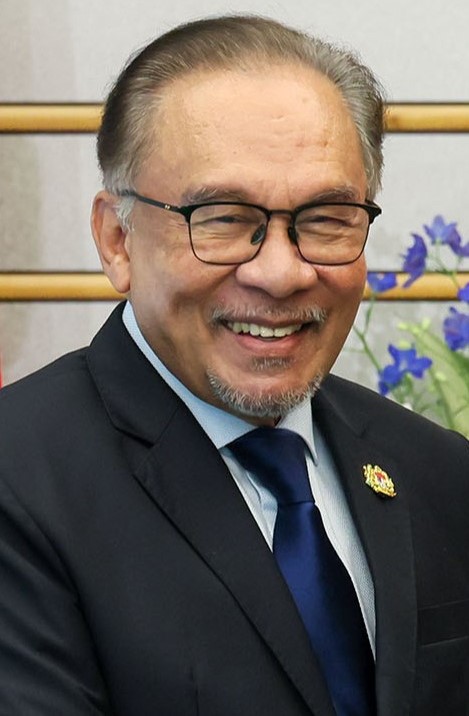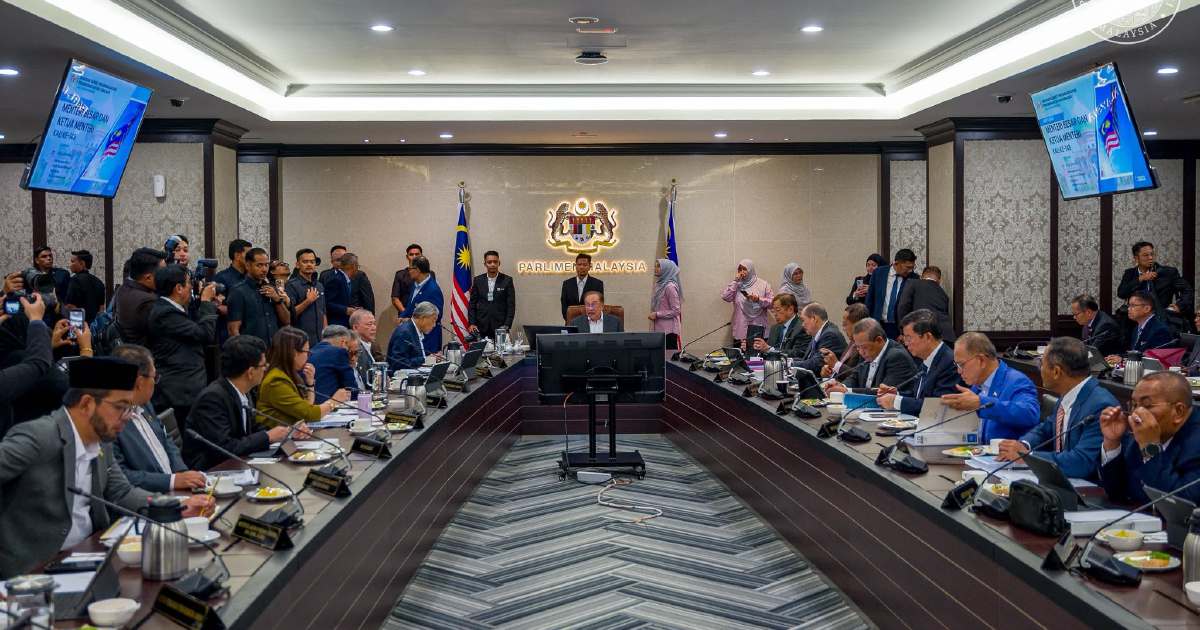
Prime Minister Datuk Seri Anwar Ibrahim brought together Malaysia's state and territorial leaders for the 149th gathering of Menteris Besar and Chief Ministers at the Parliament building in Kuala Lumpur, directing the discussion toward pressing economic recovery efforts. The high-level assembly, convened amid intensifying international instability originating from Middle East conflicts, signalled the federal government's commitment to uniting provincial leadership around a cohesive economic strategy.
The timing of this convergence underscores growing concerns within Malaysia's leadership echelon about how external geopolitical shocks could ripple through the nation's economic fabric. Global commodity markets have remained volatile, with petroleum prices fluctuating in response to regional tensions, while shipping routes vital to Southeast Asian trade face increased scrutiny and potential disruption. For Malaysia, a nation heavily reliant on international commerce and energy imports, such instability demands coordinated policy responses across federal and state governments.
Economic revival stands as the centrepiece of the government's current agenda, reflecting recognition that Malaysia's post-pandemic recovery, while steady, requires acceleration to maintain competitive positioning in the regional economy. The meeting format itself—bringing together the chief executives from all states and federal territories—demonstrates that the administration views economic rejuvenation as a collaborative enterprise requiring buy-in from every administrative tier. State governments control substantial economic portfolios, including land development, agriculture, manufacturing hubs, and local business licensing, making their alignment critical to any national recovery programme.
The global uncertainty emanating from Middle East conflicts has created particular headwinds for Malaysian economic planning. These tensions not only disrupt energy markets but also create psychological pressure on investors evaluating Southeast Asian destinations. Foreign direct investment decisions frequently hinge on perceived stability, and rising geopolitical risk premiums across the region can redirect capital flows away from developing markets toward perceived safe havens. Malaysia's attractiveness to investors depends partly on demonstrating internal cohesion and decisive governance, which the PM's convening of all state leaders implicitly projects.
State-level leaders bring distinct perspectives rooted in their local economic circumstances. Selangor, Johor, and Penang drive significant portions of Malaysia's manufacturing and export sectors, while Sabah and Sarawak manage critical natural resource portfolios. Smaller states pursue tourism development, agricultural value-added processing, and emerging technology sectors. The 149th meeting provided opportunity for sharing strategic insights across these varied economic contexts and identifying where federal resources could be deployed most effectively to unlock growth across the federation.
The assembly likely addressed specific sectoral challenges requiring coordinated response. Manufacturing competitiveness, particularly as Vietnam and Thailand advance their industrial capabilities, demands continuous innovation and infrastructure investment that state and federal authorities must synchronise. Digital economy expansion, renewable energy transition, and human capital development represent cross-cutting imperatives that benefit from aligned policy frameworks across jurisdictions. The meeting format allows the PM to communicate federal economic priorities while receiving grassroots intelligence about implementation obstacles and opportunities.
Middle East tensions carry spillover consequences beyond energy markets. Malaysian companies operating across the Gulf region face operational uncertainties, while construction and contracting firms with workforce deployments in affected countries confront logistical complications. Malaysian financial institutions with exposure to Middle Eastern counterparties require reassurance about macroeconomic stability at home. These cascading effects necessitate government visibility and clear communication about response mechanisms, which a national convocation of leaders helps establish.
The meeting reflects broader recognition within the federal government that economic performance determines political legitimacy and public confidence. Malaysia's middle-income population remains sensitive to employment prospects, cost-of-living pressures, and investment returns. When global headwinds threaten job creation and wage growth, state and federal governments face mounting citizen expectations for protective measures. By assembling all state leaders, the PM signals that addressing economic vulnerabilities commands urgent attention across the entire governmental apparatus.
Coordination mechanisms established through such meetings create frameworks for faster response if external shocks intensify. Whether through emergency stimulus measures, accelerated infrastructure projects, or targeted sectoral support, having previously aligned state and federal officials enables more rapid deployment than ad-hoc crisis management. The 149th meeting essentially constituted rehearsal for potential escalation scenarios, ensuring that Malaysia's governance structures could respond decisively should Middle East tensions disrupt regional commerce more severely.
Moving forward, success in economic revival depends on sustained implementation of initiatives discussed during the meeting. States must incorporate federal economic objectives into their own development plans while advocating for resources matching their specific capabilities and challenges. The federal government must follow through on commitments, particularly regarding funding mechanisms for infrastructure and programmes that strengthen manufacturing competitiveness and export capabilities. Regular subsequent meetings will prove essential for monitoring progress and adjusting strategies as global conditions evolve.