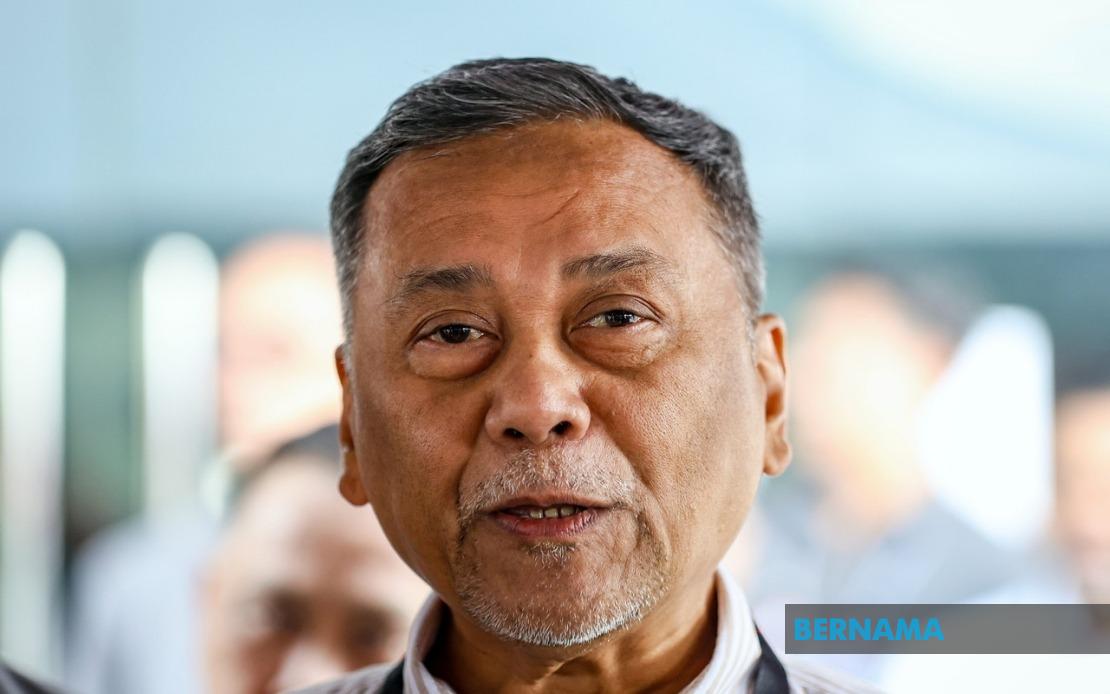
With less than a day remaining before voters head to the polls in the Johor state election, the Election Commission has clarified the proper channels for reporting campaign violations, distinguishing between physical and digital infractions. EC Chairman Datuk Seri Ramlan Harun made the clarification during an inspection visit to ballot box checking centres in Pontian on July 10, signalling the commission's heightened focus on ensuring fair electoral practices as polling day approaches. The directive comes amid concerns about the proliferation of campaign materials that violate established rules, prompting the need for public vigilance and proper reporting mechanisms.
Ramlan emphasized that while the Election Commission's enforcement team actively removes unauthorized physical campaign posters and banners from public spaces, the handling of digital content requires a different regulatory approach. The commission has already responded to complaints by dispatching teams to remove non-compliant physical materials from various locations throughout the state, demonstrating active on-ground enforcement. However, the landscape of modern political campaigning extends beyond traditional posters, making the clarification of jurisdictional boundaries essential for maintaining order during the election period.
The Malaysian Communications and Multimedia Commission now serves as the primary regulatory body for addressing campaign violations that occur through online platforms and digital channels. This division of responsibility reflects the growing complexity of election administration in an increasingly digital environment, where campaign messages can spread rapidly across social media, messaging applications, and other internet-based platforms. By directing complaints to the MCMC rather than the Election Commission, the public can ensure that digital violations receive appropriate scrutiny from the agency with specialized expertise and enforcement powers in this domain.
The timing of this clarification is significant given the nature of recent complaints about unauthorized campaign materials. UMNO Supreme Council member Datuk Seri Shahaniza Shamsuddin had publicly urged the Election Commission to take action against parties using images of individuals not participating in the election, specifically mentioning former Prime Minister Datuk Seri Najib Razak and Datin Seri Rosmah Mansor. Shahaniza, serving as Pahang UMNO's information chief, characterized such practices as extreme and potentially designed to manipulate public sentiment through association with high-profile figures.
The use of non-candidate faces in campaign materials represents a strategic but contentious tactic in Malaysian electoral politics. By featuring prominent political personalities not actually contesting the election, certain campaigns attempt to leverage existing public recognition and sentiment to influence voter behaviour indirectly. Shahaniza's objection highlights growing awareness among party officials that such approaches, while not necessarily illegal in all circumstances, cross ethical boundaries and warrant regulatory attention during the formal campaign period.
The Johor state election represents a significant electoral contest in Malaysia's political calendar, with particularly high stakes for the ruling coalition and opposition parties. Tomorrow's poll will determine the composition of the state assembly through voting in 56 constituencies, with approximately 2.7 million registered voters expected to participate. The election serves as an important barometer of public sentiment and can significantly influence the political dynamics within Malaysia's second-largest state by population.
Election administration in Malaysia has evolved to address challenges posed by digital campaigning, which operates at a fundamentally different pace and scale compared to traditional methods. The collaborative approach between the Election Commission and the MCMC reflects institutional recognition that effective regulation requires specialized agencies working within their respective domains of expertise. While the EC focuses on structural electoral integrity, the MCMC brings technical knowledge of digital platforms and content removal protocols necessary for addressing online violations.
For voters and civil society organizations monitoring the election, understanding these jurisdictional boundaries proves essential for effective reporting. Directing complaints to the appropriate agency ensures faster response times and more effective remedial action, preventing delays that could occur if complaints reach incorrect authorities. The public's role in reporting violations becomes particularly important during the campaign period, as frontline observers often detect infractions before official monitors can identify them.
The prevalence of campaign material violations across both physical and digital channels suggests that some contestants view regulatory boundaries as grey areas open to exploitation. However, the Election Commission's explicit guidance and the MCMC's readiness to enforce digital regulations provide multiple layers of oversight. This multi-agency approach aims to create a more level playing field while protecting the integrity of the democratic process.
For Malaysian voters and regional observers, the Johor election demonstrates how electoral authorities navigate contemporary challenges in regulating political communication. The clear demarcation between Commission and MCMC responsibilities provides a template that may inform election administration in other Southeast Asian democracies grappling with similar issues around digital campaigning. As Malaysia continues to strengthen its electoral framework, such institutional clarity becomes increasingly valuable.
The Election Commission's announcement reflects broader institutional maturity in Malaysian politics, where regulatory bodies coordinate effectively across jurisdictional lines to maintain electoral standards. Rather than creating confusion through competing authority, the framework empowers citizens to contribute to fair elections by channelling complaints appropriately. Tomorrow's voting will test whether these enforcement mechanisms have successfully maintained a competitive yet fair electoral environment.

