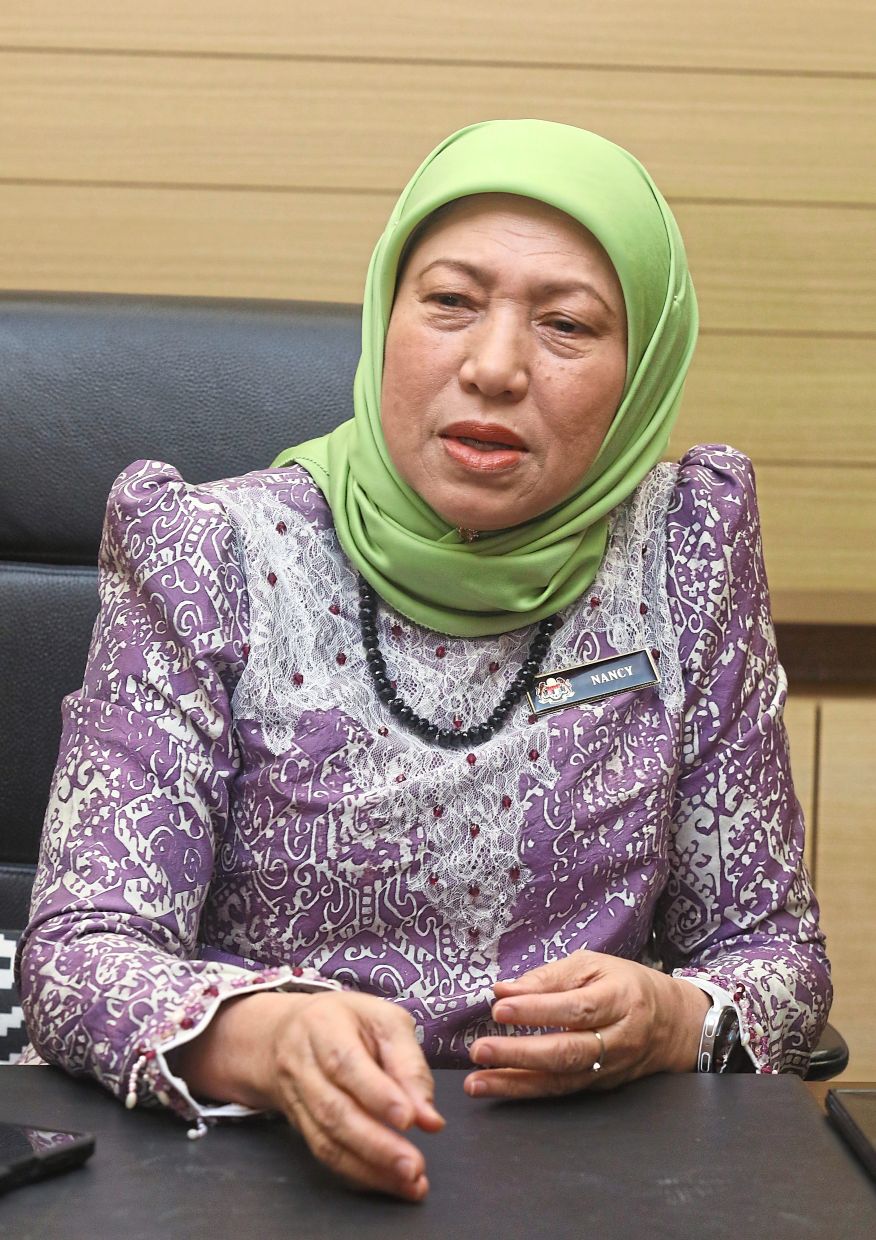
Registering a child with disabilities as an OKU (person with disabilities) represents far more than a bureaucratic formality—it is the gateway to a comprehensive support ecosystem that can fundamentally alter the trajectory of a child's life, according to Women, Family and Community Development Minister Datuk Seri Nancy Shukri. The minister underscores that families navigating the complexities of raising children with special needs often find themselves uncertain about available assistance, making formal registration through the Social Welfare Department (JKM) the critical first step in accessing government support.
The significance of early registration lies in its ability to transform recognition into tangible support across multiple dimensions of a child's development. Once a child is registered as OKU, families gain eligibility for financial assistance, rehabilitation services, early intervention programmes, and access to special education facilities. Beyond these immediate benefits, the OKU card serves as official documentation that facilitates navigation of bureaucratic systems and helps ensure consistent support across government agencies. The registration process itself remains straightforward, requiring parents to submit birth certificates or identification documents along with medical certification of the child's disability status through JKM.
The window for early intervention carries profound implications for child development outcomes. Nancy emphasises that delays in registration translate directly into missed opportunities during critical developmental periods when therapeutic interventions, educational support, and specialist care yield the most significant gains. Children who access support services early tend to develop stronger foundational skills and experience better social integration, making the administrative step of registration not merely a gateway but an investment in the child's future independence and quality of life. Parents hesitant or unaware of registration benefits often inadvertently deny their children access to programs designed precisely to address developmental challenges during formative years.
Malaysia's evolving approach to disability support reflects a fundamental philosophical shift from viewing persons with disabilities as passive recipients of welfare toward recognising them as active contributors to society. This reorientation underpins recent initiatives that extend support well beyond the school years, acknowledging that persons with disabilities require evolving assistance throughout their adult lives as circumstances and aspirations change. The government's commitment to building what it describes as a sustainable and inclusive support system directly challenges earlier frameworks that often treated disability support as a temporary intervention rather than lifelong provision.
Employment remains a critical arena where this inclusive vision manifests most concretely. The introduction of job coach services represents a practical recognition that employment barriers for persons with disabilities extend beyond skill gaps—they encompass workplace culture, supervisor understanding, and systemic accommodation. These specially trained job coaches function as intermediaries between employers and disabled employees, providing on-the-job support while simultaneously educating workplaces about effective inclusion practices. This dual approach acknowledges that sustainable employment requires simultaneous transformation of both individual capacity and organisational culture.
Disability Equality Training (DET) programmes address the attitudinal foundations underlying workplace discrimination and social marginalisation. Rather than treating disability awareness as mere sensitivity training, DET seeks to reshape fundamental perceptions about disability, moving beyond the charity or sympathy framework toward one rooted in human rights and individual capability. By training human resource practitioners, employers, and employees, these programmes aim to create lasting cultural change that extends beyond formal compliance with disability provisions to genuine transformation in how workplaces operate and value diverse capabilities.
The ecosystem supporting OKU employment has expanded beyond government initiatives to include strategic private sector partnerships. The Social Security Organisation (PERKESO) operates rehabilitation and skills training programmes that prepare persons with disabilities for employment, while platforms such as MyFutureJobs create digital marketplaces connecting job seekers with opportunities. This multi-stakeholder approach distributes responsibility across government agencies, statutory bodies, private employers, and non-governmental organisations, recognising that no single entity possesses sufficient resources or expertise to address the spectrum of support needs comprehensively.
For Malaysian parents and families, the practical implications of early OKU registration extend across the child's entire lifespan. Financial assistance alleviates household stress during critical periods when additional expenses for therapy, specialist care, and educational support accumulate. Access to early intervention programmes—speech therapy, occupational therapy, developmental support—during preschool and early primary years can substantially reduce long-term disability-related challenges. Special education facilities ensure children with learning differences receive appropriate pedagogical approaches rather than struggling within mainstream systems ill-equipped to address their needs.
The government's expansion of vocational training, entrepreneurship support, and independent living programmes reflects recognition that persons with disabilities harbour diverse aspirations requiring correspondingly diverse pathways to realisation. Some may pursue traditional employment, others may require ongoing support services, and still others may develop small enterprises or creative pursuits. Rather than imposing standardised trajectories, the contemporary support framework attempts to accommodate individual variation while maintaining consistent safety nets ensuring nobody falls through gaps in provision.
Understanding OKU registration as foundational rather than supplementary to disability support requires Malaysian parents to reframe their thinking about administrative processes. The registration itself carries no stigma—it represents a formal claim to entitlements the child possesses by right rather than by charity. Early registration ensures that children access intervention during developmentally sensitive periods, that families receive financial relief during years of intensive support needs, and that educational and healthcare systems recognise and accommodate special requirements. For families managing disability-related challenges while juggling employment, financial constraints, and emotional burdens, the streamlined access to government support represents genuine material assistance.
The broader policy context reveals Malaysia's gradual movement toward international standards emphasising disability inclusion and rights-based approaches. This evolution requires continuous strengthening of implementation mechanisms, coordination across agencies, and sustained commitment to removing systemic barriers. Early registration of children with disabilities thus becomes emblematic of a society taking its responsibility toward vulnerable populations seriously—not through ad hoc charity but through structured, sustained, comprehensive systems designed to support human dignity and social participation across the lifespan.

