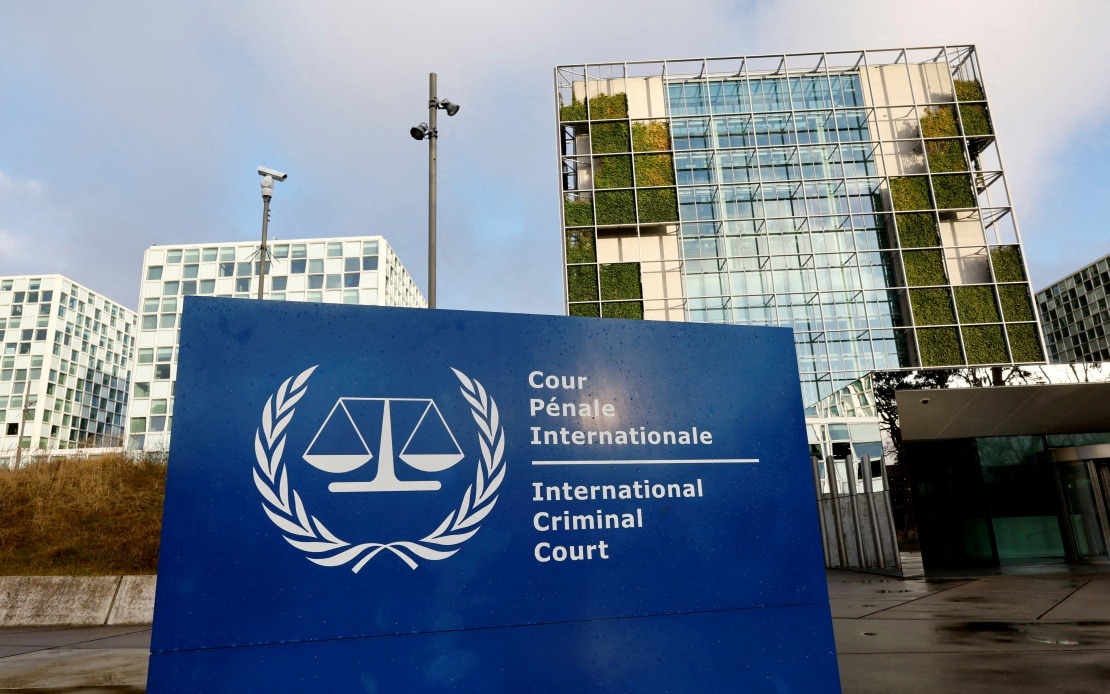
Leading legal scholars in the Netherlands have issued sharp warnings about the United States' latest offensive against the International Criminal Court, characterising the campaign as a fundamental threat to the international legal system and the principles upon which it rests. The criticism follows the US State Department's announcement on July 13 of a comprehensive initiative to counter what Washington describes as the ICC's threat to American sovereignty, particularly regarding potential investigations into US military personnel and government officials.
Alette Smeulers, professor of international crimes at the University of Groningen, articulated the core concern animating Dutch academic circles: a world in which powerful nations successfully dismantle multilateral institutions would inevitably revert to a system where military and political strength determines outcomes rather than established legal principles. Such a development, she cautioned, would represent a seismic shift in how international disputes are resolved and how accountability for grave crimes is pursued globally.
The ICC's mandate, as Smeulers explained to international media, is specifically constrained by legal architecture that should address American anxieties. The court possesses jurisdiction only over the most egregious offences and may prosecute crimes either committed within territories of states that are parties to the Rome Statute or perpetrated by nationals of signatory countries. This jurisdictional framework means the ICC cannot simply investigate any nation or individual; it operates within clearly defined legal boundaries that protect non-member states like the United States from arbitrary prosecution.
Washington's approach has escalated significantly beyond rhetorical opposition. Last December, the American government imposed financial sanctions against two ICC judges, alleging they engaged in politicised actions related to Israel. This punitive measure troubled international law specialists, who view judicial independence as foundational to credible international institutions. Kyra Wigard, an assistant professor of law at Utrecht University, articulated this concern bluntly, noting that sanctions typically target entities like terrorist organisations or nations engaged in military conflicts—applying them to judges represents an unprecedented and troubling precedent.
The implications of the US campaign extend well beyond bilateral tensions between Washington and the Hague. According to Smeulers, the State Department has signalled its intention to pressure countries currently bound by the Rome Statute to withdraw from the treaty and abandon their ICC membership. Such a strategy, if successful, would fundamentally weaken the court by eroding its legitimacy and reducing its ability to investigate crimes in member states. For nations that have committed diplomatic capital to supporting international criminal accountability, this pressure represents a direct challenge to their own sovereignty and judicial preferences.
For Southeast Asian nations navigating their own international relations, the Dutch scholars' warnings carry particular resonance. The region includes countries with complex histories regarding accountability for atrocities, armed conflict, and governance challenges. Cambodians remain acutely aware of the importance of mechanisms for prosecuting mass atrocities, while other nations in the region have wrestled with questions about how to balance national security concerns with participation in global legal frameworks. The American campaign demonstrates that even powerful Western democracies may attempt to exempt themselves from international oversight, a precedent that could inspire others to do likewise.
Smeulers emphasised that the US campaign carries significant implications for the ICC's operational capacity moving forward. The court already operates with limited resources and faces considerable diplomatic pressure; sustained American opposition could constrain its ability to investigate and prosecute cases effectively. Moreover, the psychological and institutional impact of having the world's most powerful military force explicitly working to dismantle the institution carries weight that transcends the practical constraints of jurisdiction and funding.
The timing of the American initiative also reflects broader geopolitical tensions. The previous sanctions against ICC judges occurred amid international scrutiny of Israel's military operations in Gaza, suggesting that American opposition to the court is partly motivated by concerns about investigations that might implicate American allies or partners. This dynamic illustrates how great-power competition increasingly intersects with international justice mechanisms, transforming courts designed to operate above political considerations into contested battlegrounds.
Dutch legal scholars represent a significant intellectual voice within Europe, and their criticism carries weight in international policy circles. The Netherlands itself is home to the ICC and maintains substantial diplomatic investment in international institutions. Dutch opposition to American pressure therefore reflects not merely academic principle but also the interests of a country that has benefited from rules-based international order and views it as essential to global stability.
The fundamental disagreement between Washington and critics like Smeulers concerns whether international institutions can be reformed through engagement or whether their existence itself poses unacceptable risks to state sovereignty. The American position suggests that national interests must supersede institutional loyalty, whereas Dutch scholars argue that abandoning multilateral frameworks in favour of unilateral national assertion produces instability and injustice. This debate will shape international relations throughout the coming decade, determining whether the ICC survives as a meaningful institution or diminishes into ineffectiveness.

