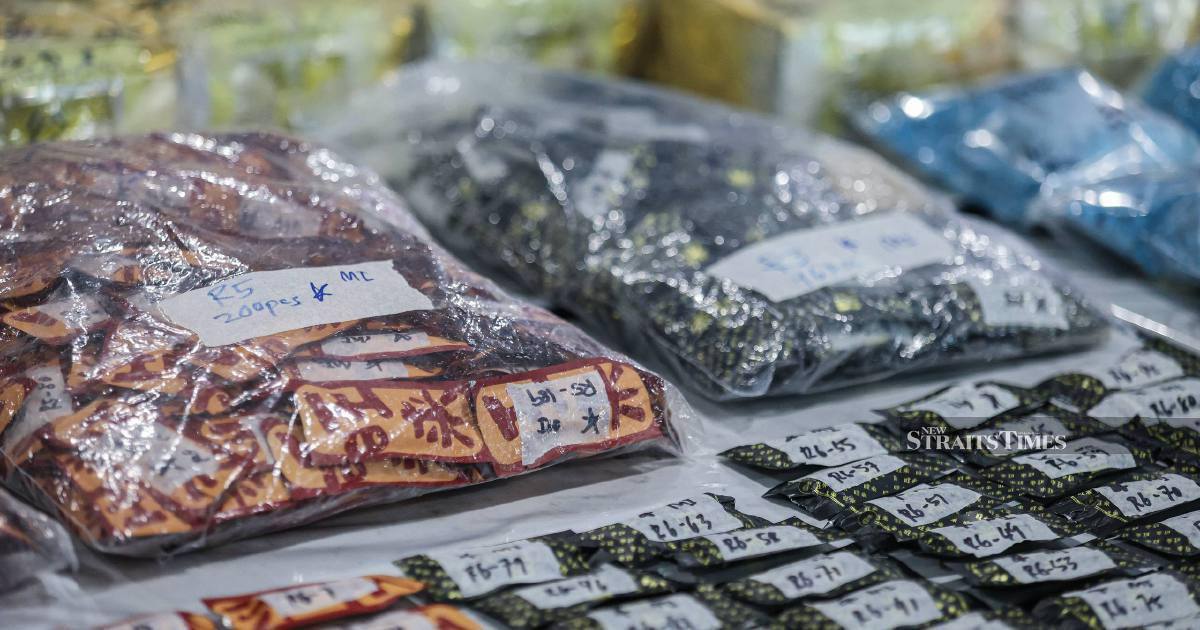
The Malaysian Maritime Enforcement Agency successfully intercepted a major drug trafficking operation on Sunday, apprehending two brothers accused of attempting to smuggle narcotics valued at more than RM6.85 million across maritime routes to a neighbouring nation. The seizure underscores intensifying regional efforts to combat sophisticated sea-based drug networks operating throughout Southeast Asia's strategic waterways.
The operation, conducted in waters off Johor Baru, represents a critical enforcement win at a time when authorities across the region are grappling with evolving smuggling techniques and novel synthetic substances. The synthetic drug involved, known as 'Piu Piu', reflects the dynamic nature of the illicit narcotics trade, where traffickers continually introduce new compounds designed to evade detection and exploit regulatory gaps. The sheer monetary value of the consignment—exceeding RM6.85 million—demonstrates how lucrative these operations remain despite heightened enforcement activity.
The MMEA's success in this operation highlights the agency's expanding maritime surveillance capabilities and its critical role in protecting Malaysia's vast territorial waters and exclusive economic zone. With an expansive coastline spanning both the Peninsular and East Malaysia, the agency faces considerable challenges in monitoring illicit maritime activities. This seizure reflects intensive coordination and intelligence gathering, suggesting that law enforcement agencies have developed increasingly sophisticated methods of tracking suspected smuggling routes and identifying suspicious vessel movements.
For Malaysia, such interceptions carry profound implications for domestic security and public health. The quantities involved suggest the seized drug was destined for distribution networks, potentially exposing vulnerable populations to dangerous synthetic substances. The involvement of two family members in the smuggling attempt also points to how drug trafficking often exploits family networks and trust relationships, a pattern that enforcement agencies continue to document across the region.
The case arrives against a backdrop of sustained regional cooperation on narcotics control. Southeast Asian governments have strengthened intelligence sharing and coordinated maritime patrols to combat transnational drug trafficking, which remains among the most significant organised crime challenges facing the region. The strategic location of Malaysia—positioned between major drug production areas in Southeast Asia and consumer markets throughout East Asia—makes it a critical node in these trafficking networks.
The emergence of 'Piu Piu' as a named drug variant entering Malaysian waters also signals how synthetic narcotics continue to proliferate and diversify. Unlike traditional drugs with established chemical formulas, these novel substances often include slight structural modifications designed to circumvent existing laws. This creates escalating challenges for forensic laboratories, regulatory frameworks, and law enforcement training programs, which must constantly evolve to identify and classify new chemical compounds.
The brothers' alleged involvement raises broader questions about recruitment and operational structures within trafficking organisations. Many maritime drug smuggling operations rely on small crews recruited through family connections or tight community networks, creating both intelligence opportunities and enforcement vulnerabilities. Understanding these recruitment patterns helps authorities develop targeted prevention strategies beyond traditional interdiction methods.
The MMEA's capability to conduct successful interdictions at sea depends heavily on advanced surveillance technology, including radar systems, coastal monitoring infrastructure, and intelligence analysis platforms. Each significant seizure provides enforcement agencies with valuable data about smuggling methodologies, preferred route timing, vessel types, and communication patterns. This intelligence subsequently informs risk assessment models that guide future patrol deployment and surveillance efforts.
For Malaysia's broader counter-narcotics strategy, this operation reinforces the government's commitment to addressing drug trafficking as a national security priority. The Royal Malaysian Police, MMEA, the Department of National Drug Control, and international partners continue developing integrated responses that combine enforcement, treatment, and prevention initiatives. However, the continuing flow of large shipments suggests that supply-side interventions alone remain insufficient without complementary demand reduction approaches.
The incident also underscores why Southeast Asian nations have embraced multilateral frameworks for maritime enforcement cooperation. Smugglers exploit jurisdictional boundaries and coordination gaps between national agencies. Regional initiatives promoting information exchange, joint patrols, and harmonised legal standards have proven increasingly valuable, though structural challenges persist in implementation.
The prosecution phase will likely consume considerable law enforcement resources as authorities build cases against the accused. Beyond their possible criminal convictions, the seized narcotics will be destroyed through controlled processes, denying traffickers both their investment and their intended market revenue. Such losses accumulate across enforcement agencies' activities, theoretically increasing operational costs for trafficking organisations and potentially disrupting their supply calculations.
Moving forward, this seizure exemplifies why continued investment in maritime enforcement capacity remains essential for Malaysia and regional partners. As traffickers develop more sophisticated concealment methods and alternative routes, law enforcement must maintain technological advantages and intelligence capabilities. The RM6.85 million value also highlights the enormous financial incentives driving these operations—incentives that create persistent threats despite successful individual interdictions.

