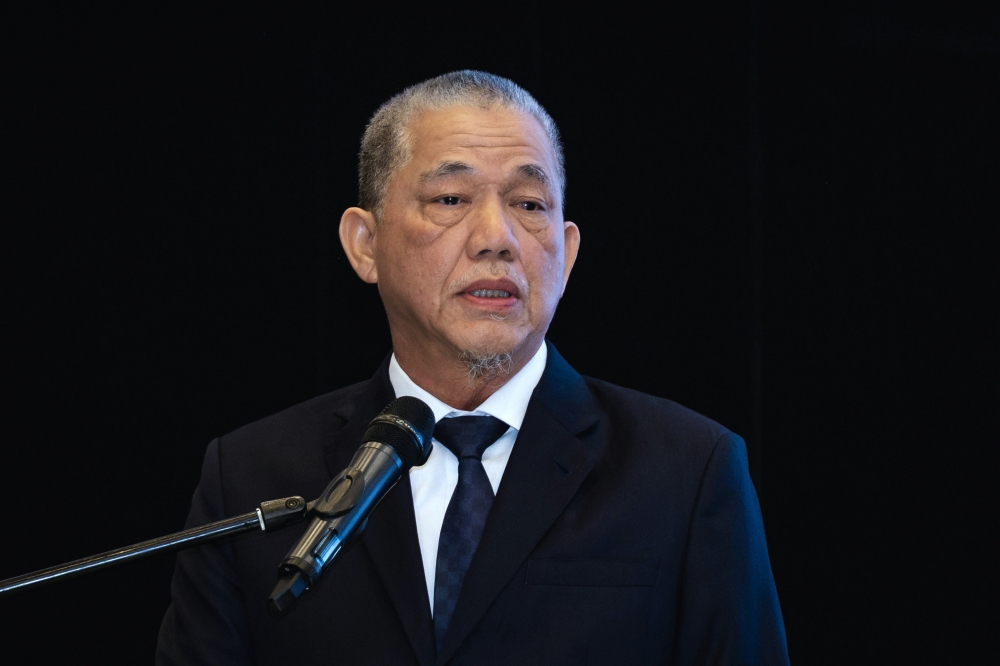
Deputy Prime Minister Datuk Fadillah Yusof is set to undergo heart bypass surgery at the National Heart Institute (IJN) in Kuala Lumpur, marking a significant development in the nation's top political echelon during a critical period of governance. The medical procedure, which addresses cardiovascular complications requiring surgical intervention, will necessitate a temporary transition of the country's second-highest office during the healing and recuperation phase.
The decision to proceed with the surgical intervention at IJN underscores the government's confidence in Malaysia's premier cardiac treatment facility, which has established itself as a centre of excellence for complex heart procedures. The institute's selection reflects both the severity of the condition requiring intervention and the availability of world-class expertise within the domestic healthcare system. IJN's reputation in managing intricate coronary artery disease cases and delivering successful outcomes in bypass procedures has positioned it as the preferred destination for high-profile cardiac cases across the region.
Heart bypass surgery, medically termed coronary artery bypass grafting (CABG), represents a major surgical intervention requiring careful pre-operative assessment and post-operative management. The procedure involves creating new pathways for blood flow around diseased coronary arteries, restoring adequate circulation to heart tissue. Recovery from such operations typically spans several weeks to months, during which patients require gradual resumption of activities and close medical monitoring. The timeline for DPM Fadillah's return to full ministerial duties will depend on his recuperation progress and medical clearance from his surgical team.
The announcement of the Deputy Prime Minister's health challenge comes as Malaysia navigates a complex political landscape and ongoing economic adjustments. The temporary reassignment of his ministerial portfolios to other cabinet members ensures continuity of government operations and prevents disruption to critical policy implementation. This succession arrangement demonstrates the maturity of Malaysia's institutional frameworks in managing unforeseen circumstances affecting senior leadership.
DPM Fadillah Yusof, who has held various significant portfolios throughout his career in government, brings extensive experience to the office of Deputy Prime Minister. His political journey spans decades of service to the nation, during which he has navigated numerous challenges affecting Malaysia's development trajectory. The timing of his health intervention, while demanding in personal terms, reflects responsible stewardship in addressing his medical needs proactively rather than allowing the condition to deteriorate while maintaining full official duties.
The cardiovascular health concerns requiring bypass surgery are not uncommon among individuals in high-stress leadership positions, where demanding schedules, significant responsibilities, and sustained pressure can tax physical wellbeing. However, advances in cardiac surgery and perioperative care have dramatically improved outcomes for bypass procedures, with success rates now consistently exceeding 90 percent in major centres like IJN. Modern surgical techniques and enhanced post-operative protocols have transformed bypass surgery from a highly risky intervention into a routine procedure with favourable prognosis when performed at accredited facilities.
Malaysia's healthcare infrastructure, particularly its cardiac care capabilities, has undergone substantial development over the past two decades. The National Heart Institute has positioned the country as a regional hub for cardiac interventions, attracting patients from throughout Southeast Asia seeking specialized treatment. The facility's investment in cutting-edge technology, continuous professional development of its medical personnel, and adherence to international standards of care have established it as a trusted destination for complex heart procedures. DPM Fadillah's choice to seek treatment at IJN represents an affirmation of the institution's clinical excellence.
The public disclosure of the Deputy Prime Minister's medical condition reflects contemporary expectations regarding transparency from political leadership, particularly concerning health matters affecting governmental performance. Citizens and international observers increasingly expect honest communication about the wellbeing of senior officials, recognising that serious health conditions can impact decision-making capacity and sustained engagement with demanding roles. The announcement allows for informed public understanding of the temporary transition in leadership functions and demonstrates accountability to the electorate.
During the period of DPM Fadillah's recovery, the government has established clear protocols for managing his responsibilities, ensuring that ministerial functions continue without interruption. This institutional continuity is essential for maintaining public confidence in governance, particularly concerning portfolio areas under his previous jurisdiction. The reassignment of duties to capable colleagues reflects the principle of collective executive responsibility and the government's capacity to absorb temporary absences of senior officials without compromising administrative effectiveness.
The Deputy Prime Minister's medical situation also carries broader implications for how Malaysia's political system manages succession and contingency planning. While the current arrangement addresses the immediate need, it highlights the importance of developing comprehensive frameworks for managing leadership transitions during health-related absences. Other democracies have invested substantially in constitutional and institutional mechanisms to ensure seamless governmental operations when senior officials require extended medical treatment or recovery periods.
Looking toward DPM Fadillah's recovery and eventual return to full duties, the experience may inform valuable discussions about stress management, health prioritization, and work-life balance even for those occupying the highest government positions. The demands of leading a nation of over 33 million people, managing complex international relations, and overseeing crucial economic policies impose substantial physical and psychological strain. The Deputy Prime Minister's proactive approach to addressing his cardiovascular health sends an implicit message about prioritizing personal wellbeing alongside public responsibility.
The medical procedure scheduled at the National Heart Institute represents both a personal health challenge for DPM Fadillah Yusof and a test of Malaysia's institutional maturity in managing transitions affecting the highest offices of state. As he undergoes treatment and recovery, the nation continues its operations under carefully coordinated transitional arrangements, demonstrating the robustness of its governmental structures.

