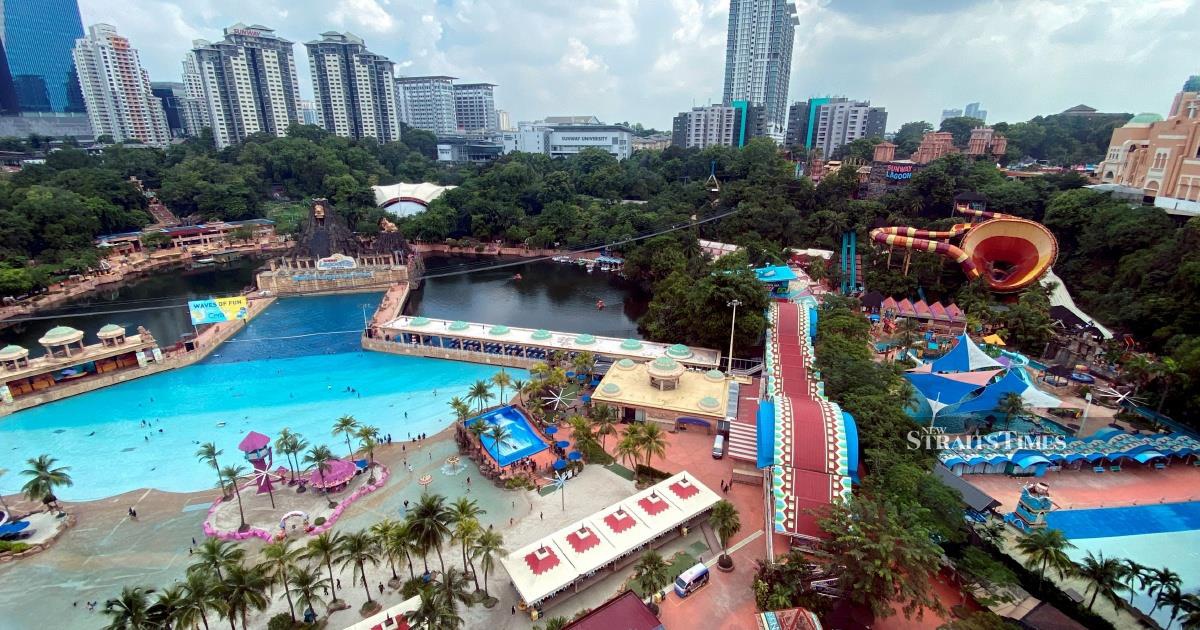
The Department of Occupational Safety and Health has commenced an in-depth forensic examination into circumstances surrounding a roller coaster malfunction at Sunway Lagoon, signalling the seriousness with which Malaysian authorities treat amusement park safety breaches. Operating from Putrajaya, DOSH is deploying specialist investigative resources to determine the technical, operational, and human factors that contributed to the incident.
Sunway Lagoon, situated in the Klang Valley and among Malaysia's most visited entertainment destinations, operates numerous thrill rides that collectively serve hundreds of thousands of visitors annually. The theme park has maintained a commercial operation for decades and attracts both domestic and regional tourists seeking recreational experiences. The involvement of a flagship entertainment venue in a safety incident has heightened public consciousness around ride maintenance protocols across the nation's leisure sector.
Forensic investigations of this nature typically extend beyond surface-level assessments to examine mechanical integrity, maintenance records, operational procedures, staff training documentation, and design specifications. DOSH's investigation methodology would involve reconstructing the sequence of events preceding the malfunction, interviewing witnesses and staff members, and conducting detailed technical analysis of the affected ride system. Such comprehensive approaches are essential in establishing whether failures resulted from manufacturing defects, inadequate maintenance schedules, operator error, design flaws, or a combination of factors.
The incident underscores persistent questions about regulatory oversight within Malaysia's amusement park sector. While DOSH maintains statutory authority to inspect and enforce safety standards at such facilities, questions frequently arise regarding inspection frequency, the adequacy of existing safety protocols, and enforcement mechanisms when violations are discovered. International best practices typically recommend regular third-party inspections alongside internal safety audits, creating multiple layers of verification.
Theme park operators throughout Southeast Asia have grappled with balancing commercial imperatives against safety investments. Maintenance programmes require substantial capital expenditure, specialist expertise, and operational downtime that directly impact revenue generation. This tension between profitability and safety remains a persistent challenge, particularly as rides age and replacement components become scarcer. The Malaysian leisure industry, like regional counterparts, continues navigating these competing pressures.
For visitors and their families, roller coaster incidents generate anxiety extending beyond those directly affected. Public confidence in amusement park safety directly influences attendance patterns and consumer spending. Theme parks depend upon parental willingness to permit children on mechanical rides, making transparency about safety investigations crucial for operational continuity. Comprehensive communication regarding investigation findings and corrective measures becomes essential for rebuilding visitor confidence.
Sunway Lagoon's incident occurs within a broader global context of increased scrutiny regarding amusement park safety. International incidents have prompted regulatory reviews across multiple jurisdictions, with authorities examining whether existing standards adequately reflect technological complexity and operational scale of modern attractions. Malaysia, as a Southeast Asian economic leader with a significant tourism sector, faces expectations to maintain safety standards comparable with developed nations.
The investigation's findings may have cascading implications for the broader Malaysian amusement park industry. Regulatory bodies often use high-profile incident investigations to identify systemic deficiencies warranting sector-wide policy adjustments. Other facilities may anticipate revised inspection protocols, updated maintenance requirements, or enhanced operator certification standards emerging from DOSH's forensic examination and subsequent recommendations.
Stakeholder interests converge upon the investigation's outcome. Operators seek confirmation that incidents resulted from extraordinary circumstances rather than inadequate industry-wide standards. Employees and their representatives require assurance that safety concerns receive systematic attention and that workplace conditions meet established norms. Insurance providers monitor investigations closely, as findings influence premium calculations and coverage determinations. Regulatory agencies utilise investigation data to refine enforcement strategies and safety protocols.
The Malaysian government has prioritised occupational safety across economic sectors, with DOSH receiving increased resources and regulatory authority in recent years. The Sunway Lagoon investigation reflects this policy orientation and demonstrates commitment to rigorous investigation of serious incidents. Such investigations establish precedent regarding enforcement severity and regulatory expectations across the entertainment sector.
Public communication regarding investigation progress remains important. Malaysian media and visitors generally expect timely updates about findings and corrective actions undertaken. Transparency regarding investigation timelines, interim findings, and ultimate conclusions helps maintain social licence for continued theme park operations and reinforces public confidence in regulatory institutions.
The incident and ensuing investigation highlight recurring tensions within modern leisure industries between growth ambitions and safety imperatives. As DOSH proceeds with its forensic examination, the investigation will likely inform not only Sunway Lagoon's operational modifications but also broader sectoral practices throughout Malaysia's amusement park industry and potentially influence policy discussions within ASEAN jurisdictions regarding harmonised safety standards for recreational facilities.

