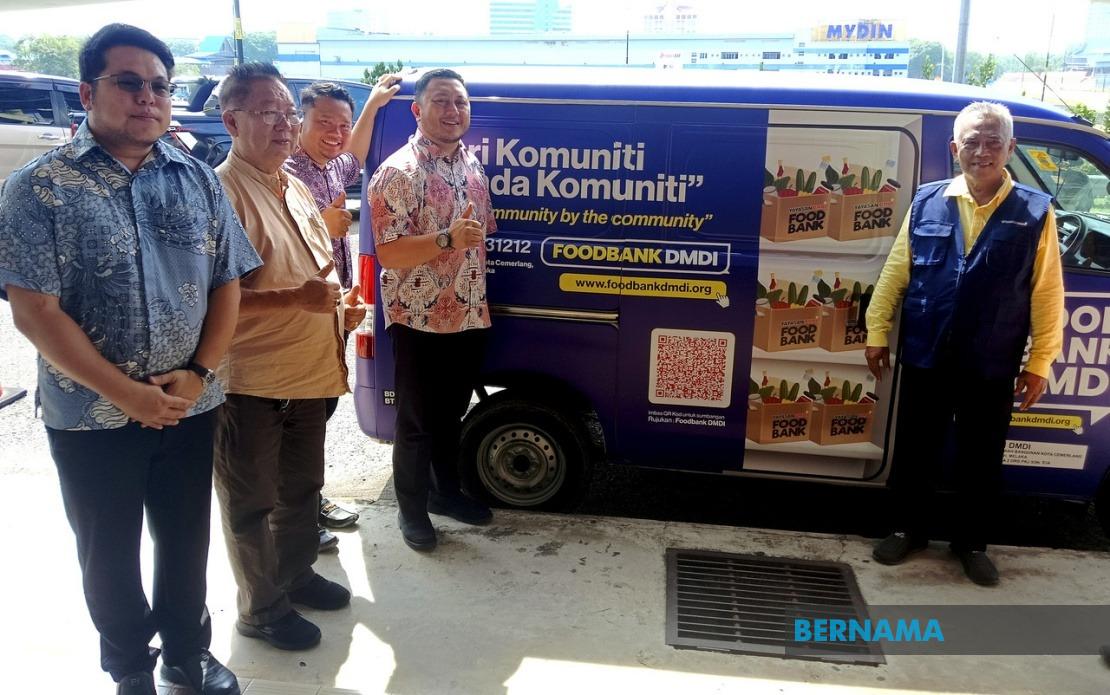
The Dunia Melayu Dunia Islam (DMDI) Foundation has unveiled an ambitious food relief initiative designed to reach 2,000 disadvantaged households throughout Melaka. The comprehensive programme, known as Food Bank DMDI, will distribute monthly food parcels to selected families over the course of a full year, addressing immediate nutritional needs while simultaneously reducing the financial burden faced by vulnerable households in the state.
According to Datuk Mohd Ridhwan Mohd Ali, chairman of the foundation, the rollout will occur incrementally rather than all at once. The first phase targets 200 families, with the scope expanding progressively until the full cohort of 2,000 recipients is incorporated. This measured approach allows the foundation to establish operational efficiency, refine distribution logistics, and ensure quality control before scaling operations to their intended capacity.
The assistance initiative prioritises several categories of vulnerable populations that often struggle most acutely with food security and rising living costs. Priority recipients include economically disadvantaged households, members of asnaf groups recognised under Islamic social welfare frameworks, persons with disabilities who face employment barriers, single mothers navigating parenthood without dual incomes, and families experiencing erratic or seasonal employment patterns. By focusing on these specific demographics, the programme directly targets those whose irregular earnings make monthly budgeting particularly precarious.
Each participating family receives a carefully assembled food kit containing fundamental staple items necessary for basic household nutrition. The selection process incorporates community-level knowledge and oversight, with local leaders nominating candidates based on observable need and familiarity with circumstances within their neighbourhoods. These nominations subsequently undergo formal evaluation by the Food Bank committee, which applies standardised screening criteria to ensure resources reach genuinely eligible families and prevent misallocation.
The foundation's commitment extends beyond this core programme. DMDI maintains capability to mobilise additional emergency food assistance on an unscheduled basis when disasters strike communities. Recent flood events, along with other calamities, have triggered rapid-response distributions tailored to immediate post-disaster requirements. This dual-track approach—combining predictable routine support with surge capacity for emergencies—reflects a comprehensive understanding of food insecurity as both chronic and acute.
Capitalising the programme's initial phase, the foundation received food supplies valued at RM16,000 from multiple donors. These initial contributions provide the foundation with stock to commence distributions immediately, while the phased expansion allows additional resource mobilisation through ongoing fundraising efforts. The transparency regarding initial donations demonstrates accountability to both contributors and recipients regarding how resources translate into tangible assistance.
The foundation has established an accessible digital platform enabling public participation in the initiative. Through the website www.foodbankdmdi.org, potential donors can contribute financial support with minimal barriers to entry—contributions as modest as RM1 are welcomed and aggregated into meaningful assistance capacity. This democratisation of giving, where small donations accumulate into substantial impact, has proven effective in broadening donor participation across income levels and communities.
Recognising that tax incentives significantly influence charitable behaviour in Malaysia, DMDI is pursuing formal approval from the Lembaga Hasil Dalam Negeri (LHDN) to issue tax exemption receipts for donations. Once secured, this status will enable Malaysian taxpayers to claim contributions against their chargeable income, effectively reducing the personal cost of giving while simultaneously channeling additional resources toward food assistance. This regulatory approval represents an important institutional milestone that legitimises the foundation's standing and encourages enhanced donor participation.
For Melaka residents navigating economic hardship, this initiative arrives as meaningful relief addressing one of household budgeting's most unavoidable expenses. Food prices have remained stubbornly elevated throughout Malaysia, placing consistent pressure on households already operating with minimal margins. By providing structured monthly parcels, the programme offers psychological and financial breathing room, enabling families to redirect limited resources toward other essential obligations including utilities, transportation, education, and healthcare.
The timing and scale of the DMDI initiative also reflects broader Malaysian social priorities regarding poverty alleviation and community welfare. As government resources face competing demands across multiple development objectives, philanthropic organisations increasingly shoulder responsibility for targeted assistance to vulnerable populations. The foundation's deliberate focus on Melaka, combined with its commitment to transparent processes and community validation, provides a model potentially replicable across other states and demographic segments.
Looking forward, the programme's success will substantially depend upon sustained fundraising momentum and operational execution. As the initiative scales from initial 200 recipients toward the 2,000-family target, maintaining food quality, distribution reliability, and recipient dignity becomes increasingly complex. However, the foundation's established infrastructure, donor relationships, and community partnerships position it favourably to execute this expanded mandate while continuing emergency response activities.
The DMDI Food Bank programme ultimately exemplifies how structured charitable work can intersect with policy objectives around poverty reduction and social stability. By converting corporate and individual contributions into systematic assistance reaching vulnerable families, the foundation addresses immediate suffering while reinforcing community bonds and social cohesion across one of Malaysia's historically significant states.

