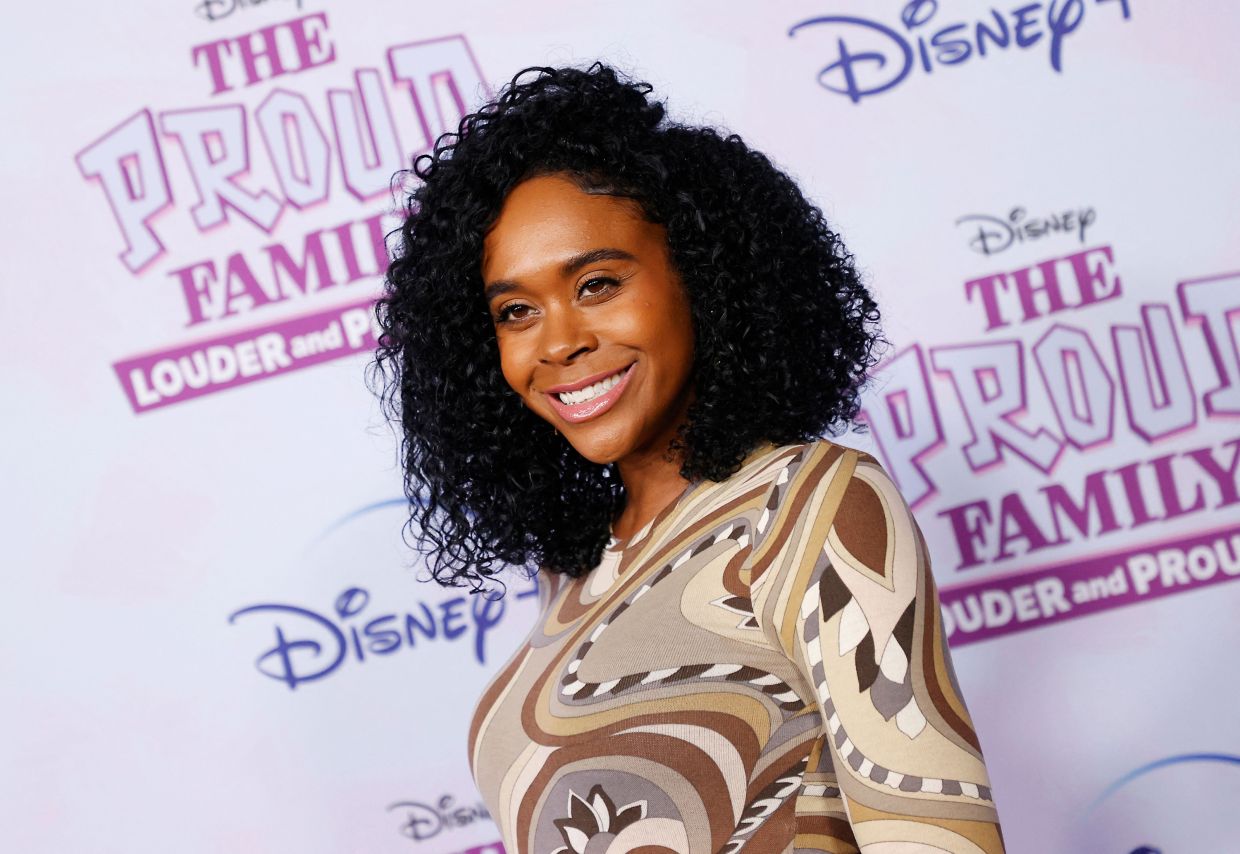
A former child actor has launched legal action against Disney, alleging she endured repeated sexual abuse and harassment by a company employee while filming a movie as a teenager. The lawsuit, filed in Los Angeles Superior Court on Friday, represents the latest in a series of allegations against major entertainment studios regarding their failure to safeguard young performers from predatory behaviour on set.
Raquel Lee Bolleau contends that a male Disney employee, identified in court documents as John Doe, exploited her vulnerability when she was just 14 years old during location filming in Utah. The complaint alleges that Doe provided alcohol to Bolleau and her guardian, and subsequently subjected her to sexual assault and rape over a period of weeks. The employee allegedly dismissed concerns about their age difference by telling Bolleau she was "old enough" to handle the situation, according to the filing.
The lawsuit paints a troubling picture of conditions on the Disney set, claiming that multiple adults witnessed the alleged misconduct yet failed to intervene. Sound technicians monitoring cast microphones could reportedly hear sexually explicit comments Doe directed at Bolleau, while crew members reportedly observed him touching her inappropriately and engaging in indecent exposure. Despite these incidents occurring in plain view, the complaint states that no one at Disney took action to protect the young performer.
Bolleau's condition deteriorated markedly as the abuse continued, according to court documents. She experienced exhaustion, struggled with alcohol-related symptoms including hangovers and vomiting, and found it increasingly difficult to remember her lines—a dramatic departure from her earlier professional performance. Rather than investigating the cause of her declining work quality, Disney executives allegedly blamed and threatened both Bolleau and her mother, expressing frustration with her performance while remaining indifferent to the underlying trauma she was experiencing.
The alleged abuse extended beyond the filming location. On the flight returning to Los Angeles, Doe was reportedly seated next to Bolleau in first class while her guardian remained in economy, where he allegedly assaulted her again. This final incident reportedly left Bolleau emotionally and physically devastated, marking the beginning of what she describes as 25 years of severe psychological trauma that ultimately led her to abandon her acting career.
The complaint casts the alleged abuse as part of a broader institutional failure at Disney to protect child performers. Bolleau's attorneys argue that the studio has demonstrated a systemic pattern of permitting, facilitating, and concealing sexual misconduct. The lawsuit references Disney's historical connections to disgraced figures in entertainment, including allegations that the company sheltered producer Harvey Weinstein despite knowledge of his misconduct. Weinstein was convicted of rape in Los Angeles in 2022 and faces additional criminal charges in New York, where his previous conviction was overturned.
Additionally, the complaint cites a troubling precedent involving Brian Peck, an acting coach on Disney+ series who was convicted of child sexual abuse. According to the lawsuit, Disney rehired Peck in 2005 after his release from prison to work on a children's television programme, despite his status as a registered sex offender. The company had previously received complaints in 1997 regarding allegations of grooming boys for sexual abuse involving the same individual, raising serious questions about Disney's vetting procedures and institutional memory regarding child safety.
The timing of this lawsuit reflects broader reckoning across the entertainment industry regarding accountability for sexual misconduct. Over the past decade, numerous child actors have come forward with accounts of abuse perpetrated by adults in positions of power, prompting greater scrutiny of studio practices and duty of care standards. Bolleau's legal team, comprised of former government prosecutors Douglas Wigdor and Jane Kim, has positioned her case within this larger context, arguing that the entertainment industry must face consequences for both direct perpetration of abuse and institutional complicity through inaction or cover-up.
Disney has not yet responded to requests for comment regarding the allegations. The company's response to the lawsuit will likely address questions about its policies for supervising interactions between adult employees and child actors, the adequacy of background checks and monitoring systems, and whether supervisory personnel received training in recognising and reporting signs of abuse. The case may also prompt broader examination of industry standards regarding chaperones, witness protocols, and mandatory reporting obligations.
For Malaysian audiences and Southeast Asian stakeholders in the entertainment industry, this lawsuit underscores the universal vulnerability of child performers and the necessity of robust protective frameworks regardless of geography. The case demonstrates that institutional failures to safeguard vulnerable young workers can occur even at major, well-resourced entertainment corporations. This serves as a cautionary reminder for regional film and television producers to prioritise comprehensive child protection policies, mandatory training for all set personnel, and clear reporting mechanisms that prioritise child safety over corporate interests or production schedules.
The Bolleau case arrives amid heightened awareness within the global entertainment sector regarding duty of care obligations. Many industry bodies and unions have begun implementing stricter protocols for child performer protection, including requirements for independent child advocates on set, restrictions on one-on-one interactions between adult employees and minors, and mandatory reporting procedures. The outcome of this lawsuit could potentially influence how studios across the world—including those in Southeast Asia—approach child safety protocols and institutional accountability.

