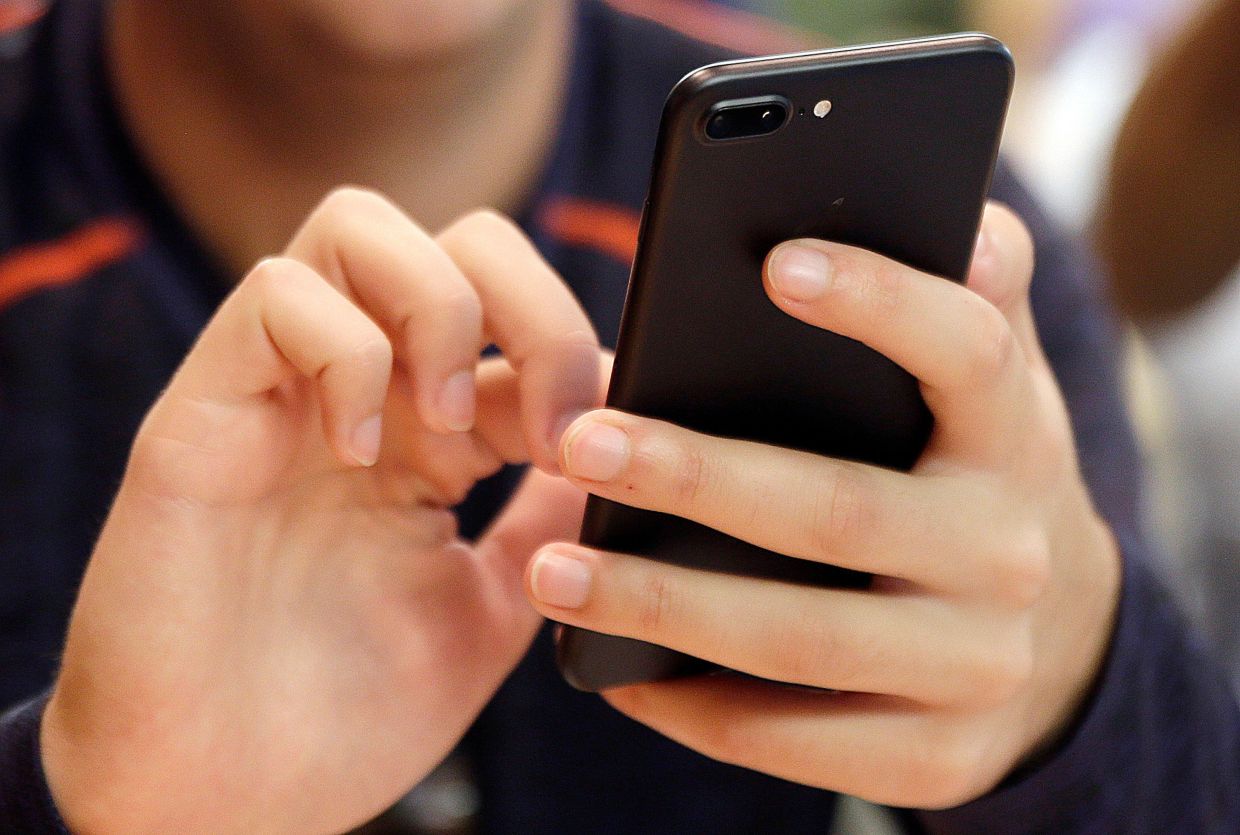
The rise of the smartphone has brought with it an unexpected occupational hazard affecting millions of Malaysians and Southeast Asians: texting thumb. This condition encompasses a spectrum of phone-related discomfort ranging from general stiffness and joint aches to throbbing sensations near the knuckles and clicking sounds when bending the thumb. The problem has escalated dramatically as modern devices have become larger, heavier, and more integral to daily life, evolving far beyond their original purpose as communication tools.
Unlike the earlier era of BlackBerry devices that prompted initial warnings about repetitive strain injuries, today's smartphones demand an entirely different physical engagement. Users now spend hours engaged in doomscrolling, managing financial transactions through banking apps, streaming entertainment content, and performing countless other tasks that require sustained grip and repetitive thumb movements. This shift in usage patterns has created a perfect storm of conditions favourable to the development of chronic hand pain and injury.
Dr Maureen O'Shaughnessy from the University of Kentucky HealthCare Hand Center has emphasised that mobile devices are now permanent fixtures in modern existence. Rather than advocating for unrealistic abandonment of technology, she advocates for adapting how users interact with their devices. This pragmatic approach recognises that for most people, particularly younger generations and professionals across Malaysia and the region, smartphones are non-negotiable work and lifestyle tools. The challenge therefore lies not in eliminating phone use but in making that use sustainable and injury-free.
The underlying biomechanical problem stems from prolonged static positioning. When users maintain their wrists and elbows in fixed positions for extended periods while holding and manipulating devices, the tendons and joints experience chronic stress. The base of the thumb, the wrist, and other fingers bear the brunt of this repetitive strain. The heavy weight of contemporary phones compounds this issue, as maintaining an upright handheld position for hours exhausts supporting muscles and connective tissues that were never evolutionarily designed for such sustained demands.
Interestingly, many users discover the extent of their phone-related pain only when they step away from their devices. Holidaymakers often notice that dull aches and irritation vanish during vacations when screen time naturally decreases, providing clear evidence of the causal relationship between device use and discomfort. This delayed recognition means many people suffer unnecessarily for months before linking their symptoms to their digital habits.
The most straightforward intervention remains limiting phone usage and incorporating deliberate breaks into scrolling sessions, though this advice is notoriously difficult to follow in practice. For those struggling with genuine digital detoxification, practical alternatives exist. Varying hand position and alternating which hand performs typing tasks distributes strain more evenly across the upper extremities. Users can also employ their non-dominant index and other fingers for interaction rather than relying exclusively on the thumb, creating a broader distribution of effort across multiple structures.
Smartphone accessibility features offer overlooked solutions to this widespread problem. Voice-to-text functionality eliminates the need for manual typing entirely, shifting the physical demand from fine motor control to speech. Enlarging text sizes reduces the need to hold devices close to the face, allowing users to maintain phones at greater distances and in more ergonomic positions. These built-in features were originally designed for users with visual impairments or motor disabilities, but their benefits apply equally to anyone seeking to reduce strain during extended usage.
Physical accessories represent another practical avenue for pain reduction. Ring-shaped grips and circular attachment devices distribute phone weight across the entire hand rather than concentrating pressure on the thumb and fingers. Beyond their primary function, these accessories often double as phone stands, enabling users to watch videos and television content without requiring sustained handheld positioning. This simple modification transforms passive viewing from an active physical burden into a more sustainable activity.
When pain does develop, targeted stretching and strengthening exercises can provide relief. Daily wrist flexion exercises, where users gently tilt their palms forward and backward while providing opposing pressure with their other hand, help maintain mobility and reduce stiffness. Individual finger flexing and deliberate thumb circles maintain suppleness in joints that have become fatigued by repetitive use. For discomfort specifically at the thumb's base, a simple thirty-second stretch where the hand rests flat and the thumb is pulled away from other fingers often provides noticeable relief.
However, persistent symptoms warrant professional medical evaluation. Untreated repetitive strain can develop into serious pathologies including De Quervain's tenosynovitis, characterised by sharp pain and swelling at the thumb base, carpal tunnel syndrome caused by nerve compression, and trigger thumb, where an inflamed tendon creates painful catching sensations during bending. Some users may exacerbate existing arthritis through excessive phone use. Dr Eugene Tsai from Cedars-Sinai Orthopaedics notes that human hands simply were not anatomically designed for all-day smartphone operation, making conscious intervention essential.
The path forward requires treating smartphones with the same occupational health considerations that have long applied to other repetitive tasks. Brief, intentional breaks to adjust position represent an investment in long-term hand health rather than lost productivity. By combining reasonable use limitations with ergonomic modifications, accessibility features, and targeted exercises, users across Malaysia and Southeast Asia can continue benefiting from essential technology without sacrificing their physical wellbeing. The key insight is that compatibility between digital devices and healthy hands requires active, ongoing effort—not through abstinence, but through informed and intentional adjustment of how these ubiquitous tools are used.

