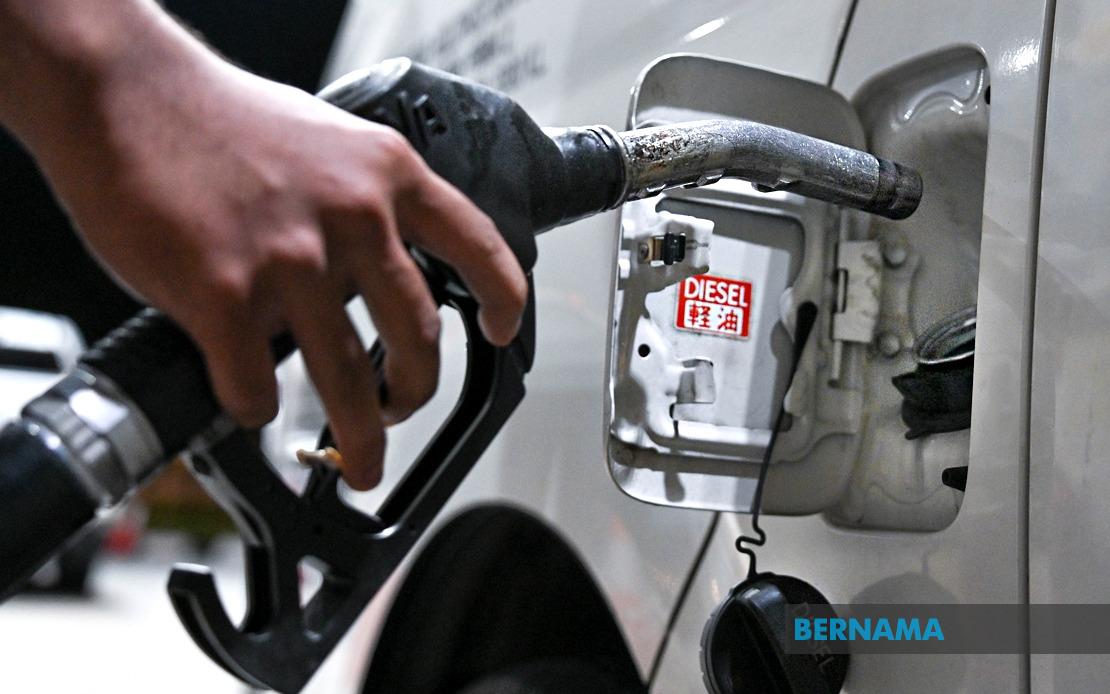
The Malaysian Government has announced a reduction in subsidised diesel prices to RM2.10 per litre effective July, marking a tangible outcome of the MADANI administration's broader economic restructuring agenda. According to Datuk Mustapha Sakmud, Minister in the Prime Minister's Department overseeing Sabah and Sarawak, this adjustment represents concrete evidence that reform initiatives targeting subsidy efficiency are beginning to generate measurable relief for ordinary Malaysians struggling with elevated living costs.
The price reduction arrives amid intensifying global energy volatility stemming from geopolitical tensions, particularly the ongoing conflict in West Asia, which has created sustained pressure on international petroleum markets. Malaysia's capacity to lower domestic fuel costs despite these external headwinds underscores the strategic importance of energy diversification and diplomatic engagement with major producing nations. The administration has prioritised strengthening energy partnerships with countries including Russia and Turkmenium, establishing supply security arrangements designed to insulate the domestic economy from sudden market shocks and supply disruptions that could destabilise prices at the pump.
Central to this price reduction strategy is the implementation of targeted subsidy mechanisms using MyKad verification technology. Rather than blanket price controls benefiting all consumers indiscriminately, the system restricts subsidised fuel access to eligible Malaysian citizens, fundamentally reshaping how government resources flow through the economy. This selective approach addresses longstanding inefficiencies that have plagued Malaysia's subsidy framework for decades, channelling support directly to citizens whilst simultaneously plugging the revenue leakages that historically undermined policy effectiveness.
The subsidised diesel scheme operates differently across Malaysia's regions, reflecting distinct policy priorities and subsidy capacities. In Sabah and Sarawak, diesel currently retails at the subsidised rate of RM2.15 per litre across all petrol stations, with the forthcoming reduction to RM2.10 representing continued government commitment to eastern Malaysia. The contrast is stark in Peninsular Malaysia, where unsubsidised diesel sells at RM4.37 per litre, highlighting the substantial price differential maintained through regional subsidy arrangements and suggesting that eastern Malaysian consumers benefit from preferential fuel pricing structures.
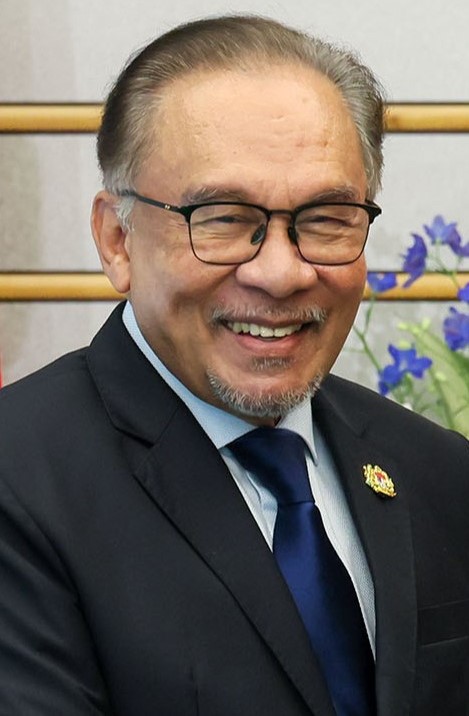
Prime Minister Datuk Seri Anwar Ibrahim's administration has articulated this price reduction as evidence of administrative competence in navigating complex macroeconomic pressures while simultaneously delivering relief to cost-conscious households. The BUDI MADANI RON95 programme, which pioneered MyKad-based fuel subsidy targeting, has evolved into a broader template for restructuring various government support mechanisms. By constraining subsidy access through biometric or identification verification, the system theoretically reduces opportunities for leakage to unintended beneficiaries whilst preserving targeted assistance for those most dependent on subsidised fuel.
Fuel subsidy smuggling has represented a persistent drain on government resources, with cheaper Malaysian diesel flowing across borders to neighbouring countries where market prices exceed local subsidised rates. The MyKad verification mechanism directly addresses this problem by tethering subsidised pricing to Malaysian citizenship and residency status, making cross-border fuel arbitrage substantially more difficult. Smuggling operations that historically diverted millions of ringgit in subsidised fuel into parallel markets have been a critical concern for policymakers seeking to maximise the distributional efficiency of government support.
From the perspective of ordinary Malaysian consumers, particularly commercial users such as taxi drivers, small-scale transporters, and agricultural workers whose operational costs depend heavily on fuel expenses, the RM0.05 per litre reduction may appear modest but accumulates meaningfully across regular refuelling cycles. A vehicle consuming 40 litres weekly realises approximately RM100 monthly savings, whilst smaller reductions compound across the broader consumer population. For transport operators operating on razor-thin profit margins, such adjustments can determine business viability in competitive markets where pricing flexibility remains severely constrained.
The diesel price adjustment must be contextualised within Malaysia's broader fiscal consolidation narrative. As the government pursues deficit reduction targets and attempts to demonstrate fiscal responsibility to international creditors and credit rating agencies, engineered subsidy reductions represent strategic trade-offs between maintaining social safety nets and achieving macroeconomic stability. The MyKad-based targeting methodology enables the administration to simultaneously reduce overall subsidy expenditure whilst protecting lower-income segments most vulnerable to energy price shocks, effectively reconciling redistributive objectives with fiscal discipline.
Energy security considerations extend beyond immediate price stabilisation into longer-term infrastructure and investment planning. Malaysia's participation in strategic energy partnerships with Russia and Turkmenistan reflects pragmatic recognition that global energy markets will remain contested terrain, with traditional Western-oriented supply chains potentially subject to disruption or politically motivated constraints. Diversifying energy sourcing geographically and diplomatically provides insurance against supply monopolisation whilst strengthening Malaysia's negotiating position in bilateral trade discussions and regional political forums.
The implications for regional Southeast Asian competitors merit consideration. Thailand, Indonesia, and the Philippines maintain their own subsidy regimes serving comparable policy objectives, yet Malaysia's technological approach using identification verification offers a replicable model potentially applicable across diverse institutional contexts. The BUDI MADANI programme's apparent success in containing leakages whilst maintaining targeted assistance creates a reference point for regional peers evaluating subsidy reform options, potentially influencing broader Southeast Asian energy policy trajectories.
Looking forward, the sustainability of reduced diesel pricing depends substantially upon continued energy market stability and successful maintenance of strategic supply arrangements. Geopolitical developments in the Middle East or complications in Russian-Malaysian energy negotiations could impose upward pressure on international oil prices, testing the government's capacity to maintain subsidised pricing without reinstating fiscal pressures. The MyKad verification system, whilst addressing some efficiency challenges, requires sophisticated technological infrastructure and administrative capacity that may not be uniformly maintained across Malaysia's diverse petrol station network, particularly in rural or remote areas where verification systems potentially create access complications for eligible consumers.
The diesel price reduction ultimately exemplifies the MADANI administration's attempt to navigate competing policy pressures: maintaining fiscal sustainability whilst delivering tangible improvements in household purchasing power, constraining government expenditure whilst preserving support for vulnerable segments, and implementing technologically sophisticated reforms within administrative contexts possessing variable institutional capacity. Whether this pricing adjustment generates durable consumer benefit or merely provides temporary relief ahead of inevitable future adjustments remains uncertain, dependent upon factors extending well beyond Malaysian control.