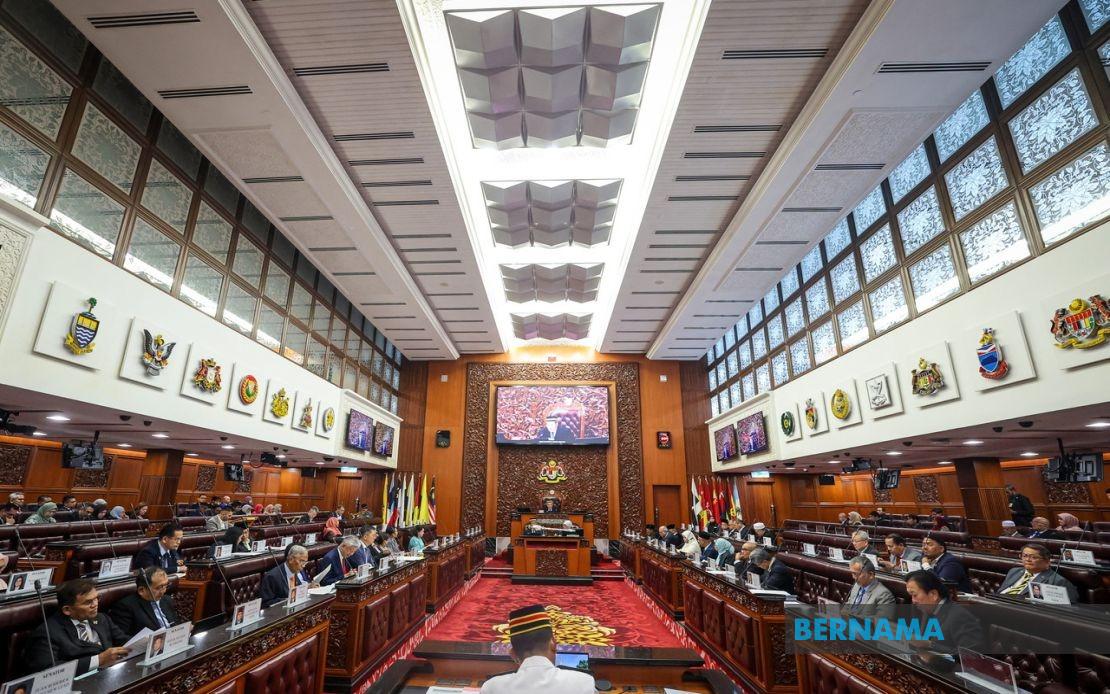
Malaysia's upper house brought its latest parliamentary session to a close on 4 August after a productive 10-day sitting that resulted in the passage of 12 bills covering critical areas of national governance and social protection. The Second Meeting of the Fifth Term of the 15th Parliament convened since mid-July demonstrated the sustained legislative momentum within Dewan Negara as it addresses evolving challenges facing Malaysian society and the economy.
Among the most significant legislation enacted was the Cybercrimes Bill 2026, which modernises the nation's approach to digital security and reflects growing concerns about online criminal activity in an increasingly connected society. This measure arrives at a critical juncture when Malaysian businesses and individuals face mounting threats from sophisticated cyber-attacks and data breaches. Complementing this digital protection framework, the Communications and Multimedia (Amendment) Bill 2026 and the accompanying Malaysian Communications and Multimedia Commission (Amendment) Bill 2026 strengthen regulatory oversight of the digital ecosystem, ensuring coordination between enforcement bodies and industry players.
The Road Transport (Amendment) Bill 2026 represents another key achievement, signalling the government's commitment to enhancing public safety and modernising vehicular regulations. This update to transport legislation acknowledges evolving road safety challenges and incorporates lessons learned from recent years of enforcement experience. Similarly, the Sexual Offences against Children (Amendment) Bill 2026 underscores parliamentary focus on protecting Malaysia's most vulnerable citizens, strengthening legal frameworks designed to prevent exploitation and ensure swift justice for victims. Such child protection measures resonate deeply across Malaysian society and align with international standards for safeguarding minors.
The upper house also advanced economic and business regulations through passage of the Competition (Amendment) Bill 2026 and Competition Commission (Amendment) Bill 2026, legislation that sharpens Malaysia's competitive landscape and protects consumers from anti-competitive practices. These companion measures enhance the enforcement toolkit available to competition regulators and provide clearer operational parameters for market oversight. The Witness Protection (Amendment) Bill 2026 strengthens judicial processes by improving safeguards for individuals providing testimony in criminal proceedings, a measure that addresses practical needs identified by law enforcement and prosecutors.
Two bills focused on Malaysia's agricultural sector received parliamentary approval: the Padi and Rice Control (Amendment) Bill 2026 reflects ongoing efforts to stabilise rice production and supply chains, ensuring food security for the nation's 34 million citizens. With regional rice prices subject to volatility and global supply chains increasingly unpredictable, legislative measures strengthening domestic rice governance carry particular significance for Malaysian consumers and farmers. The National Trust Fund Bill 2026 establishes institutional mechanisms for managing public resources and assets in the national interest, addressing governance frameworks essential to fiscal responsibility.
The Social Work Profession Bill 2026 and Statistics Bill 2026 represent more specialised legislative achievements that nonetheless carry substantial implications. The social work legislation formalises and professionalises Malaysia's social services workforce, setting standards for practitioners engaged in welfare, mental health, and community services. The statistics measure modernises data governance frameworks, enabling more reliable collection and analysis of economic and social indicators essential for evidence-based policymaking at federal and state levels.
Beyond the substantive bills themselves, the session marked a notable procedural development through revival of the Adjournment Speech framework, employed for the first time since 2022 under Standing Order 16. This mechanism permitted senators to table and debate two motions addressing contemporary challenges facing the Malaysian economy and electoral system. The first motion highlighted threats posed by cross-border e-commerce platforms such as Pinduoduo and Temu to Malaysia's micro, small and medium-sized enterprises and traditional retail sectors. These digital platforms, which operate on razor-thin margin models and exploit regulatory gaps between jurisdictions, have disrupted conventional business patterns and threatened the livelihoods of countless Malaysian traders. Parliamentary debate on this issue reflected deep concerns about protecting local commerce whilst navigating globalised digital markets.
The second motion examined voting access for auxiliary police members, proposing expansion of early or postal voting facilities to accommodate their service schedules. This discussion reflected broader recognition within parliament that electoral participation mechanisms require regular refinement to ensure all citizen categories can effectively exercise their constitutional rights. As Malaysia approaches national elections, such procedural enhancements help strengthen democratic participation.
Dewan Negara Speaker Datuk Awang Bemee Awang Ali Basah emphasised during his closing remarks that the session's productive outcome reflected the intellectual diversity and professional expertise brought by senators from varied professional, academic, and sectoral backgrounds. He noted that this pluralistic deliberation process strengthened parliamentary oversight functions and enhanced legislative quality, cornerstones of Malaysia's parliamentary democracy. The Speaker's comments underscore recognition that upper house legislative work transcends party politics, drawing on specialised knowledge and cross-sectoral perspectives.
In connection with impending National Day and Malaysia Day celebrations in 2026, the Speaker invited all parliamentary participants and broader society to recommit to defending national sovereignty, upholding constitutional supremacy, and maintaining the rule of law. These seasonal reminders serve as important touchstones in Malaysian political culture, renewing collective dedication to the Federal Constitution and the principles of national unity. As Malaysia continues navigating complex economic transitions, digital-era governance challenges, and social change, the institutional strength demonstrated through sustained legislative productivity remains crucial to the nation's trajectory and regional standing within Southeast Asia.

