The fashion industry's latest obsession defies conventional wisdom about what constitutes elegance and refinement. Across the globe's most prestigious design houses, deliberate damage has become the defining aesthetic of luxury: intentionally distressed fabrics, pre-scuffed leather, strategically placed tears, and carefully applied grime now command prices that rival pristine, immaculately crafted pieces. This counterintuitive movement challenges decades of belief that flawless tailoring, unblemished surfaces, and meticulous construction were the true markers of high style and quality.
Chanel's iconic 2.55 handbag, a symbol of timeless sophistication since 1955, now appears in a deliberately deformed version, as though subjected to forceful impact. Prada presents garments bearing what resemble age spots and discolouration, styled to evoke pieces rescued from neglect. Coach capitalised on this momentum by launching its "Loved Leather" collection last year—essentially pre-damaged inventory—which sold out so successfully that the brand has released additional colourways this season. These are not mistakes or quality control failures; they are calculated design choices commanding full luxury pricing.
For Malaysian consumers accustomed to associating premium pricing with pristine condition and durability, this trend represents a fundamental shift in how global luxury markets define value. The phenomenon reflects broader generational changes in how affluent buyers perceive authenticity and individuality. In Southeast Asian markets where luxury goods often serve as status symbols, this aesthetic preference—away from perfection toward character and apparent lived experience—suggests evolving attitudes about what prestige actually means. Rather than flaunting immaculate ownership, the message increasingly celebrates an object's perceived journey and weathered charm.
The practical implications are substantial. Traditional wardrobes composed of well-maintained pieces no longer require immediate disposal in pursuit of fashion relevance. A worn leather jacket or faded denim that once signalled carelessness now potentially embodies fashionable authenticity. This development carries environmental undertones, subtly encouraging consumption patterns that might reduce waste, though the reality remains that consumers still purchase new items rather than extending ownership of existing garments. The irony is unmistakable: paying premium prices for manufactured distress while genuine vintage pieces could serve identical purposes at fraction of the cost.
Designers are approaching this aesthetic from varying angles. Ralph Lauren combines shredded denim with traditional menswear elements—tailored waistcoats, structured blazers, crisp ties—creating an intentional juxtaposition between polish and rebellion. This clash of refined and rough suggests that contemporary luxury embraces contradiction, abandoning the coherent perfection that characterised earlier design philosophies. Burberry's stonewashed pink denim ensemble, layered with argyle sweaters, similarly trades sleek uniformity for a prep-punk hybrid that younger affluent consumers apparently find more compelling than unmarked alternatives.
The distressed denim trend permeates multiple luxury collections. Sandro's cropped vest-and-shorts pairing combines faded fabric with rustic metal embellishments and suede trimming, demonstrating that designers consider this approach versatile enough to span seasonal collections and multiple price points. Louis Vuitton's mud-splattered denim jacket represents perhaps the most extreme interpretation, transforming an item that might otherwise suggest poor maintenance into a deliberate artistic statement about rawness and authenticity. Acne Studios doubles down on this direction with jeans coated in intentional mud patina, paired with crumpled jackets that amplify the aesthetic of careless sophistication.
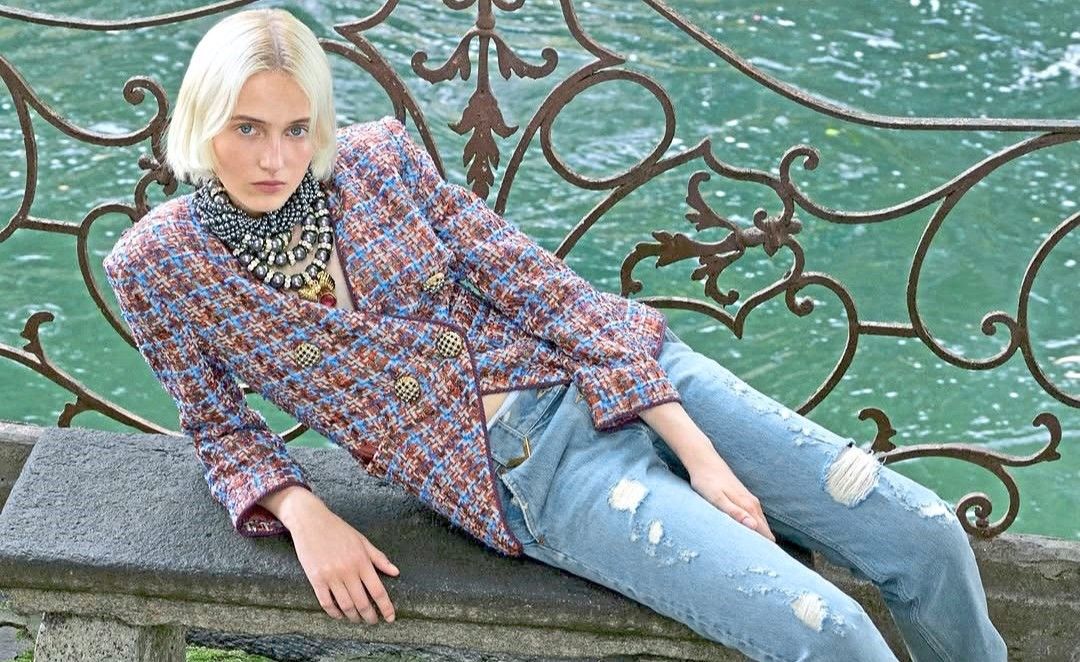
Valentino's Cruise 2027 collection exemplifies the contradictory messaging now prevalent in haute couture. A tweed jacket featuring gold buttons—elements traditionally signifying refinement and formality—pairs unexpectedly with shredded jeans and studded heels. The juxtaposition communicates that contemporary luxury embraces paradox, even dissonance, as markers of sophistication. This represents departure from the harmonious, coordinated aesthetic that governed previous decades of elite fashion. Rather than everything working together flawlessly, the new luxury celebrates productive tension and deliberate incongruity.
For Malaysian and Southeast Asian readers, understanding this trend requires recognising that global luxury markets operate increasingly on emotional and psychological registers rather than purely material ones. Affluent consumers in this region, whether purchasing domestically or internationally, encounter marketing that privileges narrative and perceived authenticity over technical execution. A piece that appears accidentally damaged carries implications about the wearer's confidence, their dismissal of superficial concerns, and their comfort with unconventional beauty standards. These psychological associations, rather than actual product quality, justify the premium pricing.
The phenomenon also reveals something about Instagram and social media's influence on luxury consumption. Distressed items photograph distinctively and command attention through novelty and visual interest. A perfectly tailored garment might communicate competence; deliberately damaged clothing tells a more complex story about aesthetic risk-taking and cultural awareness. For younger affluent consumers who comprise significant portions of luxury markets, this narrative component weighs heavily in purchase decisions. The items become conversation pieces and identity markers in ways that flawless clothing, regardless of price, cannot replicate.
Waiting lists for these distressed pieces have grown unexpectedly long, suggesting demand genuinely exceeds supply rather than this representing niche experimentation. Coach's repeat offerings in additional shades confirms that initial success reflected authentic market appetite rather than temporary novelty. This sustained demand indicates that the luxury industry recognises a real shift in consumer preferences. Manufacturers now invest development resources in perfecting the destruction process, ensuring that distressing appears intentional rather than accidental—a paradoxical refinement of imperfection that only premium brands can execute effectively.
From an environmental perspective, this trend presents complications. While it theoretically validates keeping worn garments, practical reality shows consumers still purchase new distressed items rather than extend ownership of existing pieces. The additional manufacturing required to achieve deliberately damaged finishes—splashing, tearing, staining—adds processing steps and complexity. Yet compared to trends that render perfectly functional clothing obsolete within seasons, the psychological acceptance of aged and worn aesthetics offers marginal benefits toward sustainability in fashion. Malaysian consumers, increasingly conscious of environmental impacts despite wealth levels, might find this trend more justifiable than alternatives that demand complete wardrobe replacement annually.
The broader significance extends beyond fashion into how contemporary culture validates authenticity and character. By celebrating items that appear damaged or worn, luxury brands implicitly suggest that perfection itself lacks credibility or interest. This messaging resonates with consumers fatigued by artificial polish and carefully curated imagery. Ironically, achieving this distressed aesthetic at the luxury price point requires meticulous craftsmanship and precise execution—the opposite of actual carelessness. The expensive worn look remains, fundamentally, a carefully manufactured illusion of authenticity, a premium-priced fantasy of effortlessness that the genuinely laid-back could achieve through neglect alone.

