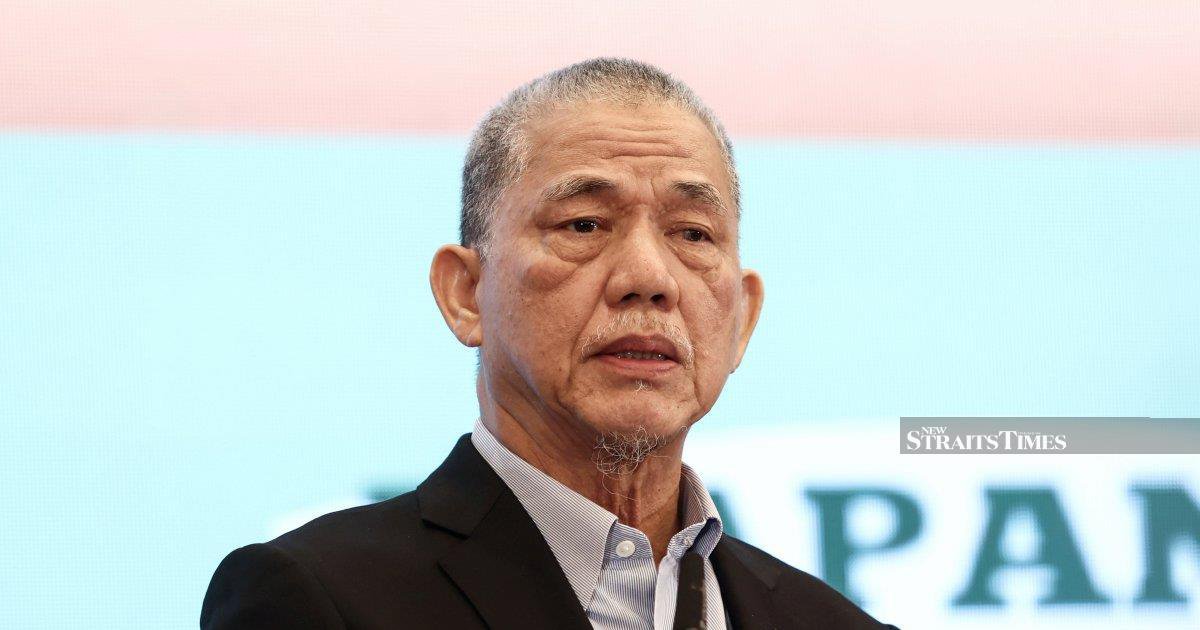
Malaysia's Deputy Prime Minister Datuk Seri Fadillah Yusof is progressing satisfactorily in his recuperation after undergoing a coronary artery bypass grafting procedure at the National Heart Institute (IJN) on August 12. The surgical intervention, one of the most common interventions for severe coronary artery disease, has proceeded without significant complications, according to medical updates.
Coronary artery bypass grafting remains a cornerstone treatment for patients with substantial blockages in the arteries supplying blood to the heart muscle. The procedure involves grafting healthy blood vessels from other parts of the body to create alternative pathways around narrowed or blocked coronary arteries, thereby restoring adequate blood flow to the heart. While the operation itself is routine in advanced cardiac centres, it nonetheless represents a significant medical event requiring careful postoperative management and monitoring.
The timing of Fadillah's medical procedure comes at a critical juncture for Malaysia's political landscape. As a senior figure in the administration, his temporary absence from official duties has implications for governance and ministerial responsibilities during this recovery period. The Deputy Prime Minister's portfolio encompasses significant national priorities, and his incapacity necessitates adjustments to the government's operational structure and decision-making processes.
The National Heart Institute, where the procedure was performed, stands as one of Southeast Asia's leading cardiac healthcare facilities. The institution has gained recognition for its expertise in handling complex coronary interventions and managing high-risk cardiac patients. The choice of IJN for such a significant procedure underscores the confidence placed in Malaysia's domestic medical infrastructure, particularly for cases involving senior government figures requiring specialised cardiac care.
Postoperative recovery from coronary bypass surgery typically involves several phases of graduated rehabilitation. Immediately following the procedure, patients require intensive monitoring in specialised cardiac units to observe for potential complications such as arrhythmias, infections, or bleeding. As days progress into weeks, the focus shifts towards mobilisation, breathing exercises, and gradually increasing physical activity under medical supervision. The psychological dimension of recovery is equally important, as patients adjust to lifestyle modifications and pharmaceutical regimens that will form their long-term management strategy.
For individuals in positions of significant responsibility like Fadillah, the recovery trajectory carries additional complexity. Balancing medical advice regarding rest and graduated return to activity with the demands of high-level government work requires careful coordination between medical teams and administrative authorities. Typically, senior officials recovering from such procedures remain away from full duties for several weeks, with a phased return to responsibilities as cardiovascular fitness improves and medical clearance is obtained.
The prevalence of coronary artery disease among older adults in Malaysia reflects broader health trends affecting Southeast Asia. Lifestyle factors including sedentary habits, dietary patterns rich in processed foods and saturated fats, and the rising prevalence of metabolic conditions have contributed to increased incidence of coronary disease in the region. Government leaders undergoing treatment for such conditions inadvertently highlight the importance of cardiac health awareness and the necessity of regular screening, particularly for individuals at elevated risk due to age and other predisposing factors.
Fadillah's case also brings into focus the quality of medical services available within Malaysia's healthcare system. That a Deputy Prime Minister chose to undergo such a procedure at a domestic institution rather than seeking treatment abroad sends a positive signal regarding confidence in local medical expertise. IJN's capability to perform complex procedures on high-profile patients demonstrates the advancement of Malaysia's healthcare infrastructure and the calibre of its cardiac specialists.
The Deputy Prime Minister's road to full recovery will depend on multiple factors including his age, overall health status, the extent of coronary disease requiring intervention, and adherence to postoperative recommendations. Most patients undergoing bypass surgery experience significant improvement in symptoms such as chest pain and shortness of breath, though the psychological adaptation to living with a cardiac condition requires ongoing support. Rehabilitation programmes typically extend over several months, with progressive increase in physical capacity and return to normal activities.
From a broader governance perspective, such medical events affecting senior government officials highlight the importance of succession planning and continuity mechanisms within the public service. Malaysia's administrative structure benefits from having clearly defined succession protocols that allow for seamless transfer of responsibilities when high-ranking officials become temporarily incapacitated. This institutional resilience ensures that critical government functions continue without disruption even when key personnel require medical leave.
Looking forward, Fadillah's recovery will likely be monitored closely not only by medical professionals but also by the public and political observers. The Deputy Prime Minister's return to full duties will serve as a barometer of his health status and capacity for continued service. As he progresses through the stages of recovery, his eventual return to full engagement in government responsibilities will be contingent upon medical clearance and his own assessment of fitness for such demanding work.

