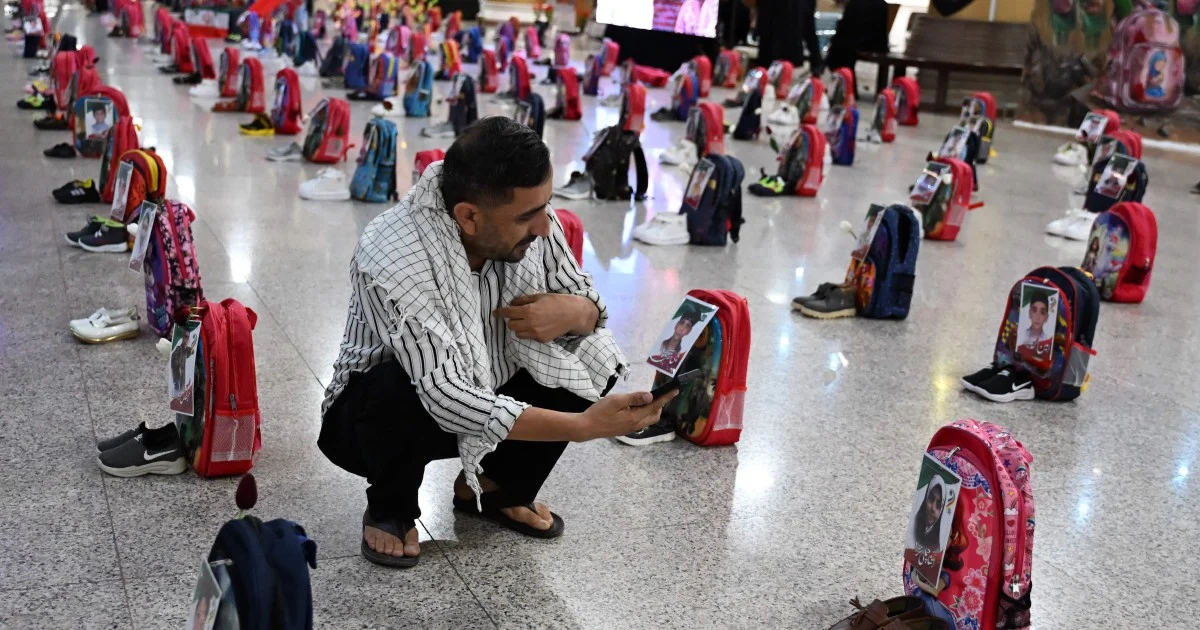
Prominent Democratic senators led by Kirsten Gillibrand have publicly demanded that the Trump administration release the conclusions of a Pentagon investigation into a military operation conducted on February 28 against a girls' educational facility in Iran. The lawmakers issued their call on Monday, setting a one-week deadline for the administration to make the findings available, marking an escalation in congressional scrutiny over the incident and the government's handling of the subsequent review.
The February 28 strike represents a flashpoint in ongoing tensions between the United States and Iran, with particular concern centred on whether the target was accurately identified and whether sufficient precautions were taken to protect civilian lives. The timing of the operation, occurring during the early weeks of the Trump administration's second term, has raised broader questions about military decision-making processes and the criteria used for authorising strikes against facilities in sensitive locations.
The Pentagon's internal investigation was tasked with examining the military's operational planning, intelligence assessment, and adherence to rules of engagement governing the use of force. Such investigations typically examine whether the facility was a legitimate military target, the quality of intelligence informing the decision, and whether civilian casualties were anticipated or acceptable under established protocols. The reluctance or delay in releasing such findings publicly has become a focal point for lawmakers concerned about accountability and transparency in military operations.
Gillibrand, who serves on the Senate Armed Services Committee and has established a track record of scrutinising military conduct and civilian harm, framed the demand as essential for public accountability. The senator's position reflects growing congressional concern that the administration may seek to contain findings that could prove politically damaging or raise troubling questions about compliance with international humanitarian law. Her leadership on this issue suggests that other Democrats view the incident not merely as an isolated tactical matter but as representative of larger governance questions about how military decisions are made and justified to the American public.
The significance of investigating school strikes extends beyond the immediate incident. Educational facilities, particularly those serving girls, carry heightened symbolic and humanitarian importance in international law and public opinion. Strikes against schools are subject to stricter scrutiny under international humanitarian law, which designates schools as protected sites unless they are being used for military purposes. Any finding that civilian casualties occurred would likely generate substantial criticism of US military decision-making and could complicate diplomatic efforts in the Middle East.
For readers in Southeast Asia and Malaysia specifically, this development carries implications for regional understanding of how major powers conduct military operations in contested zones and how accountability mechanisms function—or fail to function. Regional governments increasingly balance their relationships with Washington against expectations from their own populations and international norms regarding civilian protection in armed conflict. The transparency or opacity with which the US handles such investigations influences perceptions of American credibility and commitment to stated principles.
The Pentagon's typical approach to internal investigations involves thorough documentation but often restricted circulation, with findings sometimes remaining classified or shared only with select congressional committees. The Democratic senators' demand for public release within a specific timeframe represents pressure to deviate from this standard practice, reflecting conviction that matters affecting civilian lives warrant open democratic debate. The one-week deadline imposed is deliberately tight, designed to prevent the administration from indefinitely delaying disclosure.
The incident also coincides with broader debates within the Trump administration about the appropriate scope and constraints on military operations. The administration has signalled intentions to take a more assertive approach to national security matters, potentially including elevated readiness to conduct military strikes. In this context, the investigation's findings and their handling become emblematic of how the administration defines and enforces accountability measures for its security decisions.
Congressional Republicans have largely remained quiet on the issue, though some may share underlying concerns about the investigation's scope or conclusions without publicly joining Democratic calls for disclosure. This dynamic reflects the polarised nature of contemporary US politics, where accountability and transparency mechanisms are often filtered through partisan considerations rather than treated as non-partisan governance priorities.
The forthcoming week will prove consequential in determining whether the Trump administration prioritises transparency or seeks alternative approaches to managing the investigation's findings. If the administration releases detailed findings, it will set a precedent for openness on sensitive military matters. Conversely, refusal or significant delay would reinforce congressional Democrats' concerns and likely prompt additional legislative or oversight measures.
The episode underscores persistent tensions between executive military prerogatives and legislative demands for accountability in democracies. As military operations become increasingly global and technologically advanced, questions about how civilian protection principles are implemented in practice, and how the public learns about potential violations, take on heightened importance for international credibility and public trust in institutions.

