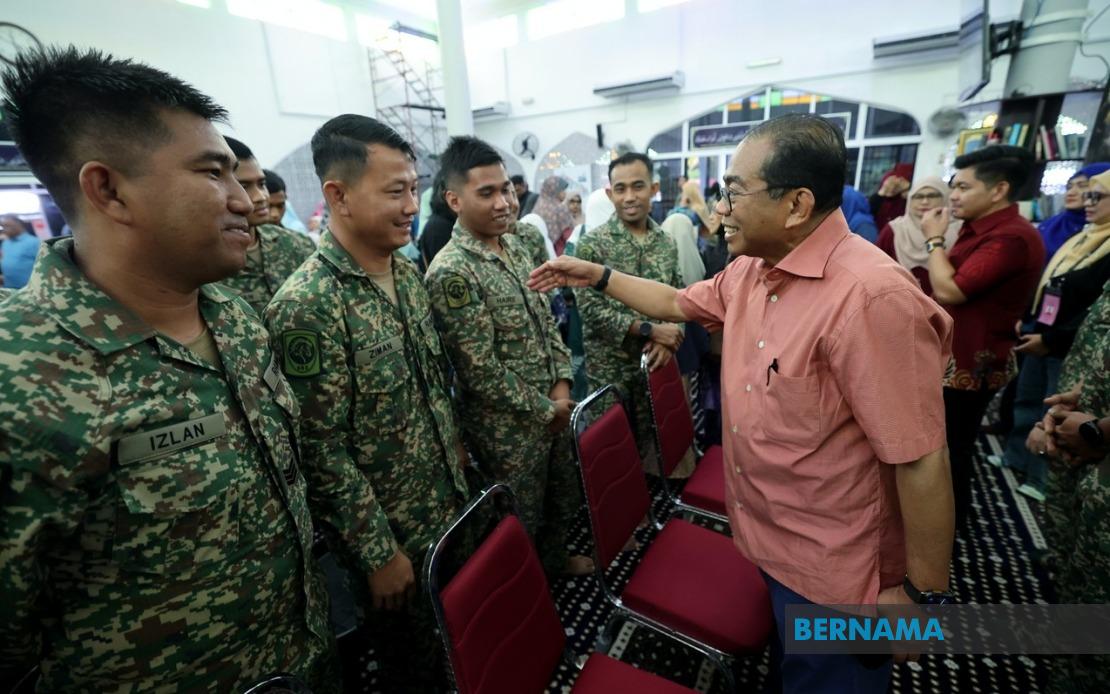
Defence Minister Datuk Seri Mohamed Khaled Nordin has indicated that a comprehensive investigation into the deadly grenade explosion at Hobart Camp in Gurun will be completed and submitted to the Ministry of Defence by mid-July. Speaking to reporters while attending an 'Ilmu dan Muafakat' programme in Kota Tinggi, Mohamed Khaled confirmed that finalisation of the report was underway and subsequent action would be determined once the ministry received the findings.
The explosion occurred on June 16 during a training exercise at the Kedah-based facility, resulting in the deaths of two military personnel. Corporal Norazmi Abu Bakar, attached to the Sixth Battalion of the Royal Malay Regiment, and Private Siti Khadijah Sungip from the First Squadron of the Royal Engineers Regiment, sustained catastrophic injuries in the incident that unfolded at approximately 10.57 am. Both were evacuated to Sultan Abdul Halim Hospital in Sungai Petani but were pronounced dead whilst en route to the medical facility.
The severity of this incident has prompted senior defence leadership to undertake a broader examination of military training protocols. Mohamed Khaled indicated that the Malaysian Army had been instructed to conduct a comprehensive review of its training methodologies, partly in response to the multiple incidents that have emerged from the same location. The minister's statement suggests that institutional processes and safety frameworks at the camp may be subject to significant overhaul pending the investigation's conclusions.
Particular concern has been raised given that a second incident occurred at Hobart Camp merely two weeks after the fatal explosion. On June 29, a firearm unexpectedly discharged during a combat enhancement training exercise, leaving two soldiers injured. Sergeant Mohamad Firdaus Che Shaharudin and Corporal Felix Franchis of the Fourth Battalion of the Royal Ranger Regiment suffered leg injuries from shrapnel sustained in the 6.15 pm incident. The proximity and nature of these two separate accidents within a fortnight underscore potential systemic vulnerabilities in the camp's operational procedures and safety culture.
For Malaysian military personnel and their families, such incidents raise urgent questions about workplace safety standards and institutional accountability within the armed forces. Training exercises are essential components of military readiness, yet they must be conducted within frameworks that adequately protect personnel from preventable harm. The occurrence of two major incidents at the same facility within days of each other suggests either inadequate safety protocols, insufficient enforcement of existing procedures, or possibly deficient equipment maintenance standards.
The investigation process represents an opportunity for the Malaysian Army to identify root causes and implement corrective measures. Mohamed Khaled's emphasis on determining whether additional shortcomings or weaknesses existed at the camp indicates a willingness to conduct searching scrutiny rather than treating these as isolated incidents. However, the actual content and severity of findings remain confidential pending the official submission to the ministry.
International military organisations have long emphasised that training-related fatalities represent preventable tragedies, often stemming from controllable factors including inadequate supervision, deficient safety equipment, insufficient personnel training on procedures, or environmental hazards. The Malaysian Army's decision to review its broader training approach suggests awareness that systemic changes may be warranted rather than simply addressing surface-level concerns about individual incidents.
The mid-month timeline for report submission provides a compressed window for the investigation team to consolidate findings, analyse contributing factors, and formulate recommendations. This expedited schedule reflects the political urgency surrounding the deaths of serving personnel and reflects public accountability expectations in Malaysia regarding military safety matters. Transparency around the investigation's conclusions will be closely monitored by military families, parliamentary oversight bodies, and civil society organisations concerned with institutional governance.
Beyond the immediate implications for Hobart Camp operations, this investigation may influence how other Malaysian military training facilities operate. Should the findings identify systemic deficiencies rather than isolated incidents, broader policy reforms across all training commands could emerge. Personnel rotated through various military facilities will be particularly attentive to whether lessons learned at Gurun translate into enhanced safety protocols nationwide. The investigation thus carries significance extending well beyond the specific tragic events that prompted it.

