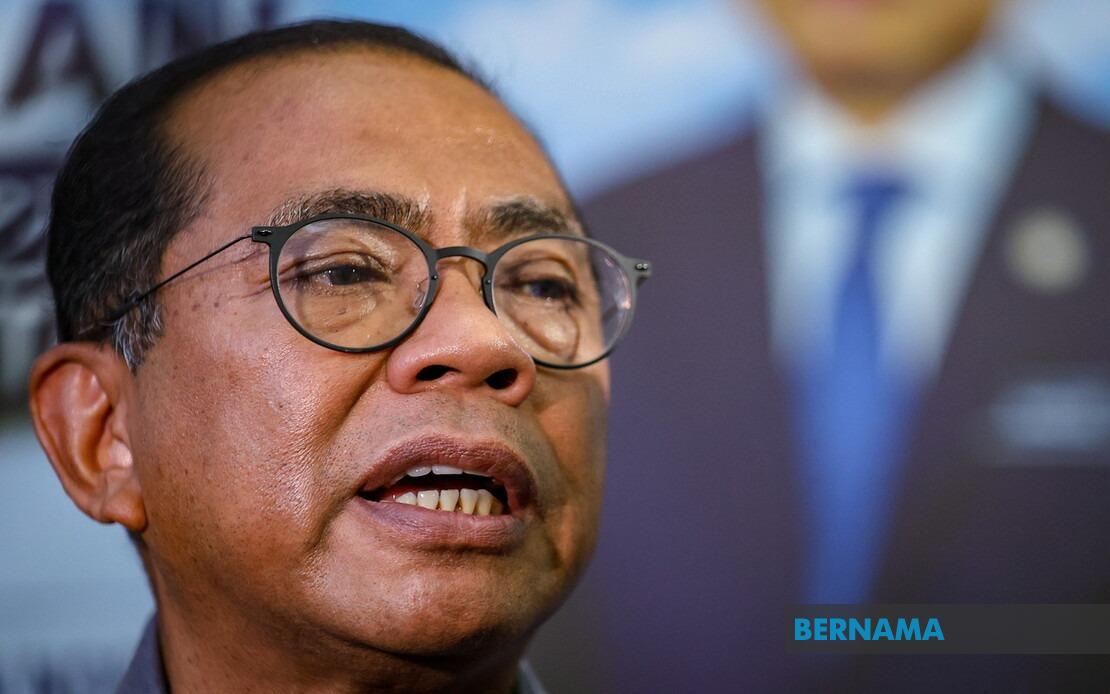
Defence Minister Datuk Seri Mohamed Khaled Nordin has commenced a two-day official visit to Vietnam, signalling Malaysia's commitment to deepening defence relationships with one of its key Southeast Asian partners. The visit, beginning on August 5, represents his inaugural official trip to Vietnam since assuming the defence portfolio, underscoring the importance both countries attach to their military engagement. His arrival at Noi Bai International Airport in Hanoi sets the stage for high-level discussions aimed at charting a new direction for collaborative security efforts in the region.
The timing of this visit carries particular significance given the evolving security landscape across Southeast Asia. Malaysia and Vietnam, both facing complex maritime challenges and regional security concerns, have maintained a foundation of consistent defence cooperation spanning decades. This institutional relationship has weathered various geopolitical shifts and continues to serve as a stabilising mechanism for both nations. The visit demonstrates that regardless of broader international dynamics, the two countries remain committed to maintaining robust military-to-military engagement.
Mohamed Khaled's scheduled engagements include meetings with Vietnam's Prime Minister Le Minh Hung and Deputy Prime Minister and Minister of National Defence Gen Phan Van Giang. These conversations at the highest levels of government suggest that discussions will extend beyond routine military matters to encompass strategic priorities and long-term defence planning. The participation of Vietnam's defence minister indicates that substantive conversations on operational cooperation, training initiatives, and defence technology sharing are likely on the agenda.
Central to this visit is the renewal of the Memorandum of Understanding on defence cooperation, which was updated in December 2023. This agreement serves as the legal framework governing bilateral military engagement and reflects the evolving nature of Malaysia-Vietnam defence relations. The formal renewal of this understanding demonstrates that both governments view defence cooperation not as a static arrangement but as a dynamic partnership requiring periodic recalibration to address emerging challenges and opportunities.
Malaysia's defence establishment has increasingly recognised Vietnam's strategic importance, particularly regarding maritime security and freedom of navigation in shared waters. Vietnam's extensive coastline and naval capabilities make it a crucial partner for Malaysia in addressing transnational maritime threats, including piracy, human trafficking, and illegal fishing. Collaborative approaches to these shared challenges have proven effective and warrant further development through structured defence partnerships.
The visit also reflects broader Malaysian foreign policy objectives within Southeast Asia. By maintaining strong defence ties with Vietnam, Malaysia reinforces its position as a committed regional stakeholder invested in collective security arrangements. This engagement contributes to the Association of Southeast Asian Nations' efforts to maintain code of conduct discussions and establish mechanisms for peaceful dispute resolution in contested areas, particularly the South China Sea.
From Vietnam's perspective, this ministerial visit represents an opportunity to strengthen ties with a nation that brings balanced, measured approaches to regional security issues. Malaysia's diplomatic neutrality and emphasis on multilateral cooperation have made it an attractive partner for Vietnam, which seeks to diversify its defence relationships and avoid excessive reliance on any single power. The bilateral relationship thus offers mutual benefits in terms of strategic hedging and collective regional resilience.
Beyond traditional defence collaboration, modern military partnerships increasingly encompass human resource development, technology transfer, and joint training exercises. Malaysian and Vietnamese defence forces have benefited from exchange programmes and collaborative training initiatives that enhance interoperability and mutual understanding. Further expansion of such programmes could yield significant dividends in terms of institutional learning and capacity building for both militaries.
The defence minister's explicit hope that this visit will elevate bilateral ties to a higher level suggests ambitions beyond maintaining current cooperation levels. This may encompass expanded joint exercises, deeper integration of defence procurement strategies, or enhanced intelligence sharing protocols. Such escalation of partnerships typically requires careful negotiation and mutual agreement on new operational frameworks, making high-level diplomatic engagement essential.
Regional peace and stability considerations feature prominently in the stated objectives of this visit. Both Malaysia and Vietnam recognise that their defence cooperation contributes to broader efforts to maintain predictability and reduce tensions across Southeast Asia. By demonstrating commitment to bilateral defence relationships rooted in mutual respect and shared interests, both nations send positive signals to the wider regional community about their dedication to peaceful coexistence and rules-based international engagement.
The visit underscores Malaysia's strategic interest in maintaining substantive defence partnerships across the region rather than pursuing alignments with distant powers. This approach aligns with ASEAN's fundamental principles of non-interference and preference for intra-regional solutions to security challenges. Through consistent engagement with neighbouring countries like Vietnam, Malaysia strengthens the institutional fabric that underpins regional stability.
For Malaysian observers, this visit demonstrates that defence diplomacy remains a cornerstone of the nation's foreign policy engagement strategy. The focus on deepening ties with Vietnam, a country with comparable development aspirations and shared maritime concerns, reflects pragmatic prioritisation of defence partnerships. As Malaysia navigates an increasingly complex security environment, such bilateral reinforcement of defence relationships provides valuable anchors for broader strategic objectives.

