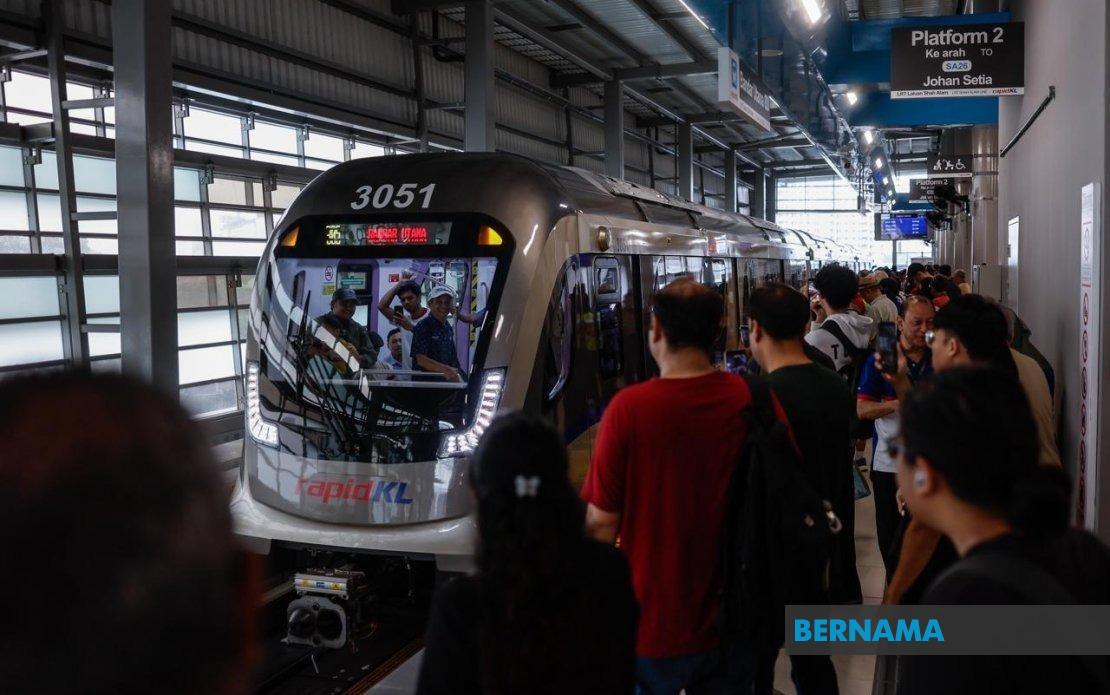
A mechanical defect in one of the Light Rail Transit 3 (LRT3) Shah Alam Line's train units caused a technical incident on July 4 when the faulty component made contact with the power conductor system, Rapid KL announced on July 14. The event unfolded at Shah Alam Stadium Station at 7.05 pm and was accompanied by a sharp explosion-like noise and visible sparks, though fortunately no one sustained injuries during the occurrence.
Rapid KL's swift response ensured minimal disruption to commuters on the busy corridor. Upon detecting the fault, operators immediately removed the affected train from active service and safely guided all aboard to the adjacent station, where passengers transferred to an alternate unit to reach their destinations. The service resumed normal operations without extended delays, demonstrating the operator's capacity to manage emergencies within its existing fleet structure.
Following standard protocol, Rapid KL transported the compromised train to its maintenance depot for comprehensive diagnostic testing. Engineers identified the specific component responsible for the power conductor contact and proceeded with its replacement. This methodical inspection regimen is typical for mass rapid transit systems operating high-frequency services, where component failures can escalate quickly if left unaddressed. The replacement part underwent verification before being reinstalled.
Once all technical checks confirmed the train's operational readiness and safety compliance, Rapid KL authorised its return to the active fleet. The operator did not specify which component had failed, though such incidents typically involve electrical or mechanical systems that interface with the overhead power distribution infrastructure. For a system handling thousands of daily passengers, such failures, while infrequent, underscore the importance of robust preventive maintenance schedules.
Beyond addressing the immediate fault, Rapid KL initiated a wider precautionary campaign across the Shah Alam Line and potentially other LRT3 segments. The company conducted additional inspections and monitoring on comparable trains to identify any similar vulnerabilities before they manifested as operational incidents. This proactive stance reflects industry best practices adopted by transit authorities throughout Southeast Asia, where regulatory pressures and passenger expectations demand high reliability standards.
The incident carries implications for Kuala Lumpur's broader public transport ecosystem. The LRT3 Shah Alam Line serves a critical commuter corridor connecting residential areas to commercial and industrial zones, making service reliability essential for the region's economic functionality. Any extended disruption affects thousands of daily commuters and can drive frustrated passengers toward private vehicles, exacerbating traffic congestion on already-congested expressways.
Rapid KL emphasised that passenger safety remains the cornerstone of its operational philosophy. The speed with which crews identified the fault, evacuated the train, and restored service suggests a well-trained workforce capable of managing crisis situations. However, the incident also raises questions about the maintenance intervals and component lifecycle management within the LRT3 fleet, particularly as the system ages and accumulates operational wear.
The power conductor contact scenario is noteworthy because it represents a potential fire or electrical hazard if not detected and arrested immediately. The sparks and noise generated can alarm passengers, even when the underlying risk is brief. Rapid KL's transparent communication with the public about the incident's cause and resolution demonstrates confidence in its technical competence and helps maintain commuter trust in the system.
For Malaysian public transport stakeholders, this incident exemplifies the ongoing challenge of maintaining first-world service standards on aging infrastructure networks. The LRT3 Shah Alam Line, which opened in 2016, is still relatively young, yet component failures are increasingly common across the Klang Valley's rail systems. Budget allocation for preventive maintenance and timely component replacement will determine whether similar incidents become more frequent or remain isolated occurrences.
The episode also underscores the interconnectedness of Kuala Lumpur's transport networks. When one line experiences disruptions, even brief ones, passengers face cascade effects if alternative routes or modes are unavailable. The city's continued reliance on private vehicles highlights the urgency of maintaining LRT reliability and expanding capacity to provide commuters with genuinely attractive alternatives to road transport.
Rapid KL's handling of the Shah Alam Stadium Station incident reflects mature crisis management, yet the fundamental lesson is that infrastructure systems require sustained investment and technical excellence to serve expanding urban populations effectively. As the Klang Valley continues to grow, the pressure on transit operators to maintain seamless service while managing ageing assets will only intensify, making incidents like this valuable reminders of why public transport systems demand unwavering commitment to maintenance, safety, and operational vigilance.

