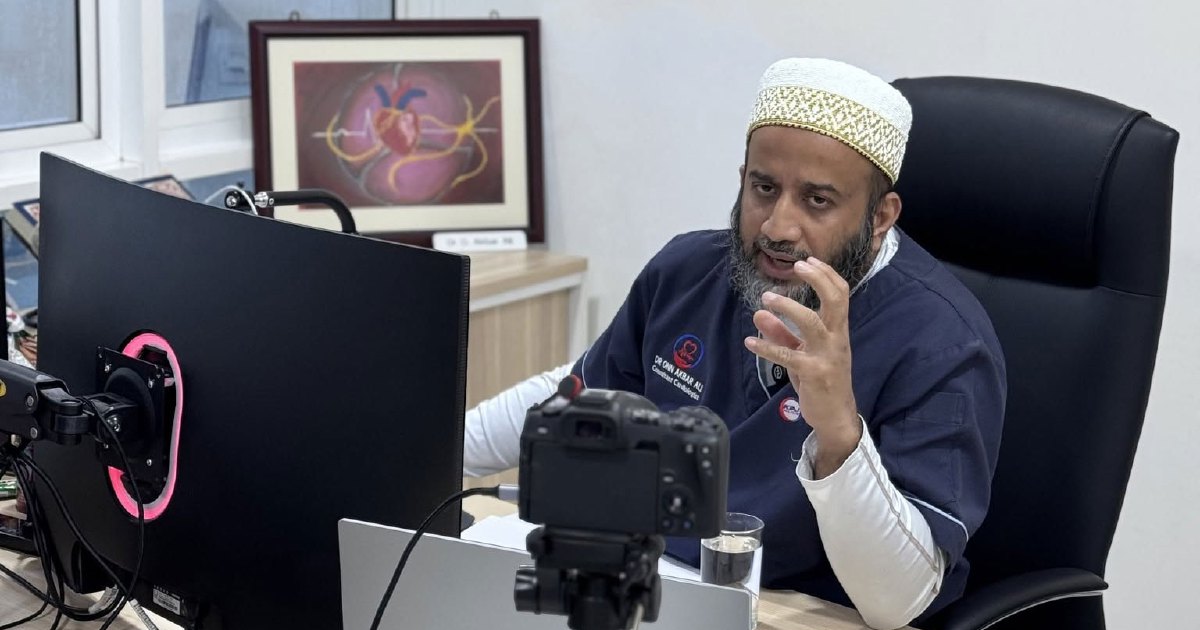
Consultant cardiologist Dr Onn Akbar Ali received an unwelcome shock when he encountered a deepfake video circulating online. The synthetic media depicted his face and replicated his voice, but the content was entirely fabricated—endorsing herbal tea as a cure for diabetes, a claim that contradicts established medical science and could cause genuine harm to patients who might postpone legitimate treatment.
This incident, occurring in Kuala Lumpur, represents a disturbing new frontier in healthcare fraud that is catching regulators and medical professionals off guard across Malaysia and the broader Southeast Asian region. Deepfake technology, powered by artificial intelligence and machine learning, has evolved to a point where distinguishing authentic medical endorsements from fabricated ones requires technical expertise many consumers simply do not possess. The malicious actors behind these videos exploit the natural trust people place in doctors and medical authorities, weaponizing that confidence to peddle unproven treatments and dangerous misinformation.
The mechanics of such scams are increasingly sophisticated. Fraudsters collect publicly available videos, photographs, and audio recordings of respected medical professionals from social media, news broadcasts, and medical conference footages. Using generative AI tools that have become more accessible and affordable, they create convincing synthetic videos where the doctor appears to endorse specific products or treatments. These videos then spread rapidly through messaging applications, social media platforms, and health-related websites, often reaching vulnerable populations seeking alternative remedies or those desperate for solutions to chronic illnesses.
What makes this threat particularly insidious is the psychological dimension. Patients who are unwell often exhibit what psychologists call "confirmation bias"—they are more likely to believe information that aligns with their hopes for recovery, even when skeptical of the same claims in other contexts. A deepfake video showing a trusted cardiologist endorsing a herbal supplement for heart disease can exert enormous influence over someone struggling with cardiac illness. They may abandon prescribed medications, delay necessary surgical interventions, or deplete savings on worthless products, all while believing they are following medical advice.
The Malaysian Medical Association and individual doctors have begun sounding alarms about the frequency of such incidents. Beyond the immediate financial losses suffered by victims, these scams undermine public confidence in legitimate medical professionals and healthcare institutions. When patients cannot reliably distinguish between real and synthetic medical endorsements, they become less likely to trust any medical information, potentially leading to worse health outcomes across the population. This erosion of trust in medical authorities represents a societal damage that extends far beyond individual fraud cases.
Regulatory bodies face substantial challenges in combating this threat. Traditional approaches to monitoring false advertising and medical misinformation presume human actors working through conventional channels. Deepfakes introduce an element of plausible deniability—scammers can claim the victim doctor created the content themselves, or argue that sophisticated editing means attribution is unclear. Taking down fraudulent videos from one platform simply shifts them to another, and the speed of AI video generation means new deepfakes can be produced faster than authorities can identify and remove existing ones.
From a technical standpoint, several approaches show promise but remain incomplete. Advanced authentication systems could require doctors to digitally sign legitimate endorsements, creating a cryptographic proof of authenticity that deepfakes cannot replicate. However, implementing such systems requires widespread adoption and cooperation from platforms, medical organizations, and technology companies. Media literacy initiatives that teach consumers how to identify deepfakes—looking for subtle artifacts like unnatural eye movements or inconsistent lighting—have shown some success but require significant investment in public education.
The emergence of this threat reflects broader vulnerabilities in Malaysia's digital health ecosystem. The rapid adoption of telemedicine and online health information seeking, accelerated by the pandemic, has created an enormous target for exploitation. Many online platforms lack robust verification mechanisms to confirm that individuals promoting health products are actually licensed medical professionals. Patients seeking information about treatments increasingly turn to unvetted online sources, and criminals are deliberately positioning their deepfakes to appear in search results and social media feeds where health-conscious users actively look for guidance.
International cooperation will be essential to address this challenge effectively. Deepfake scams do not respect borders—a video created targeting Malaysian doctors and patients might originate in another country and distribute globally. Coordinating with technology platforms operating across multiple jurisdictions, harmonizing legal frameworks to establish clear penalties for medical deepfakes, and sharing intelligence about emerging scam networks will all be necessary components of an effective response. Southeast Asian regulators must work together given the region's interconnected digital landscape and similar vulnerabilities.
Malaysian healthcare professionals are increasingly documenting and reporting deepfakes featuring them, establishing a record of the scope of the problem. This grassroots awareness represents an important first step, but it must be coupled with systemic solutions. Medical boards should educate practitioners about protecting their digital identities, platforms should invest in detection and removal of medical deepfakes as a priority matter, and policymakers should establish legal frameworks that hold both the creators and those who knowingly distribute such content accountable.
The Dr Onn Akbar Ali case, while disturbing, serves as an important wake-up call. As artificial intelligence capabilities continue advancing, the sophistication and volume of deepfake health fraud will almost certainly increase unless proactive measures are implemented now. Malaysia's medical community, technology sector, and government agencies must collaborate urgently to develop comprehensive defenses that protect both healthcare professionals and the public from this emerging and serious threat.

