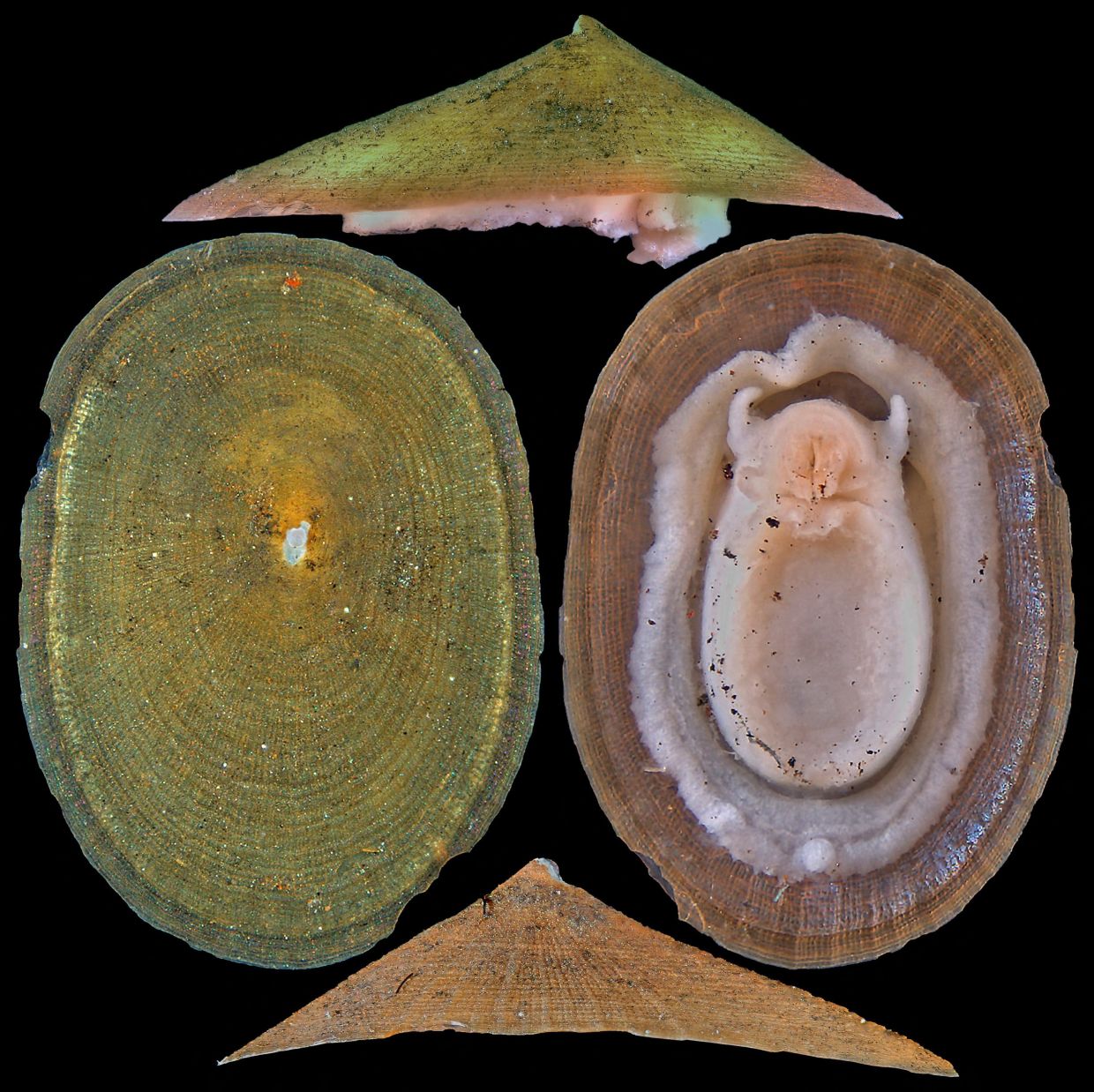
The world's biodiversity crisis has reached into the planet's most inhospitable depths. The International Union for Conservation of Nature revealed this week that deep-sea mining poses an existential threat to molluscs dwelling in hydrothermal vents far below the ocean surface, with 62 percent of endemic species now at risk of extinction. The discovery underscores how industrial pressures are penetrating even the most remote ecosystems, raising urgent questions about whether current international safeguards can adequately protect Earth's remaining wild spaces.
According to the updated IUCN Red List of Threatened Species, approximately 125 of the 201 known mollusc species living around hydrothermal vents worldwide face extinction from mineral extraction operations. These creatures inhabit extreme environments found at depths reaching 5,000 metres below sea level, where water temperatures can surpass 450 degrees Celsius. The habitats they occupy represent some of Earth's most remarkable biological innovations, where organisms have evolved extraordinary adaptations to thrive in conditions that would instantly destroy surface life. Yet despite their remarkable resilience, these species remain vulnerable to industrial expansion they never encountered during millions of years of evolution.
The threatened molluscs encompass a diverse array of species including snails, limpets, mussels, clams and chitons—creatures that have only recently entered scientific consciousness. Many were discovered within the past decade, meaning human knowledge of their existence barely precedes knowledge of their peril. This compressed timeline illustrates a troubling pattern in modern conservation: species vanish from Earth before science even understands what they are or how they function. The situation carries particular significance for the broader ocean ecosystem, as these organisms likely play roles in deep-sea food webs and nutrient cycling that scientists are only beginning to understand.
The mechanism through which mining endangers these animals operates through sediment plumes generated during seabed exploration. These plumes smother organisms and disrupt their capacity to extract nutrients from their surroundings, creating environmental conditions incompatible with survival. Mining companies targeting valuable minerals on the ocean floor generate physical disturbances that propagate through ecosystems adapted to stability over geological timescales. For creatures that evolved in isolation from such disruptions, the sudden arrival of sediment clouds represents a novel threat against which they possess no evolutionary defences.
Julia Sigwart, representing the IUCN mollusc specialist group, characterised the situation as critical. She emphasised that these animals represent one of the most severely endangered animal groups globally, facing a pivotal moment that will determine whether they persist into the next century. Sigwart's assessment reflects broader concerns about whether current conservation efforts can match the pace and scale of industrial expansion into previously untouched environments. The specialist group's work highlights how deep-sea ecosystems remain fundamentally understudied, creating significant uncertainty about the consequences of extractive activities in regions where baseline ecological data remains sparse.
In 2021, the IUCN voted to support a moratorium on deep-sea mining pending effective marine environmental protection mechanisms. This position reflects scientific consensus that current regulatory frameworks lack sufficient stringency and enforcement capacity to ensure genuine ecosystem protection. The moratorium recommendation carries particular weight given the organisation's influence in international environmental governance, though its binding power depends on voluntary adoption by individual nations and international bodies. The tension between mineral demand—driven by renewable energy transitions and electronics manufacturing—and environmental conservation remains unresolved, with economic incentives potentially overwhelming conservation concerns.
IUNC Director Grethel Aguilar used the occasion to reflect on broader biodiversity threats confronting the planet. She noted that even creatures possessing the most ingenious survival strategies have become endangered as environmental pressures intensify across all ecosystems. This observation reframes conservation challenges as fundamentally systemic rather than amenable to isolated solutions. When even organisms adapted to Earth's most hostile environments cannot escape human-driven threats, it suggests that comprehensive shifts in consumption patterns and industrial practices may be necessary prerequisites for meaningful biodiversity protection.
The organisation's latest Red List update encompasses 175,909 species total, representing an increase from 172,620 in the previous assessment. Within this expanded catalogue, 49,505 species now face extinction threats, up from 48,646 previously. These figures, while important indicators of conservation status, likely underestimate actual threat levels given that the majority of species remain undocumented and unstudied. For developing nations and resource-rich countries in Southeast Asia and beyond, these trends carry direct relevance as marine resource extraction expands across the Indo-Pacific region.
Beyond the deep-sea molluscs, the updated Red List documents changing fortunes for other species. The desert rain frog, a charismatic creature popular on social media platforms, has deteriorated from near threatened to vulnerable status. Diamond mining and energy infrastructure development along southern African coasts have fragmented its habitat and reduced population viability. Without intervention, the population is projected to decline by 20 percent over the coming decade, illustrating how terrestrial ecosystems face simultaneous pressures from multiple extractive industries operating at scale.
Conversely, Australia's numbat, a small marsupial known locally as the banded anteater, demonstrates that carefully implemented conservation can reverse decline. The species improved from endangered to near threatened classification, with populations recovering from several hundred animals in the 1970s to between 2,000 and 3,000 today. This recovery resulted from coordinated captive breeding initiatives and systematic habitat protection efforts sustained over decades. John Woinarski, co-chair of the IUCN's Australasian marsupial and Monotreme specialist group, emphasised that such success requires sustained, strategic collaboration among conservation partners. His observation carries implicit warning: without continuous commitment, invasive species like feral cats and foxes will continue driving Australian marsupials toward extinction, undoing decades of progress.
For Malaysian policymakers and regional stakeholders, these developments warrant serious consideration. As maritime resource extraction expands and regional economies increasingly depend on ocean-based industries, the tension between economic development and biodiversity protection will intensify. Southeast Asia's extraordinary marine biodiversity makes the region particularly vulnerable to extractive pressures, while limited regulatory capacity in some jurisdictions raises questions about whether environmental protections can be adequately enforced. The IUCN's warnings suggest that without proactive regional governance and international cooperation, the coming decades may witness irreplaceable losses in the unique organisms inhabiting Asian waters.
The updated Red List represents more than a scientific catalog—it documents humanity's ongoing reshaping of Earth's biological composition. Each threat status change reflects real consequences for real organisms, while aggregate statistics mask the extraordinary diversity of life facing erasure. The convergence of threats across multiple ecosystems and continents suggests that incremental conservation approaches, while necessary, may prove insufficient without fundamental changes in industrial practices, consumption patterns and international environmental governance. Whether humanity will implement such transformations before critical ecological thresholds are crossed remains perhaps the defining question of contemporary conservation biology.

