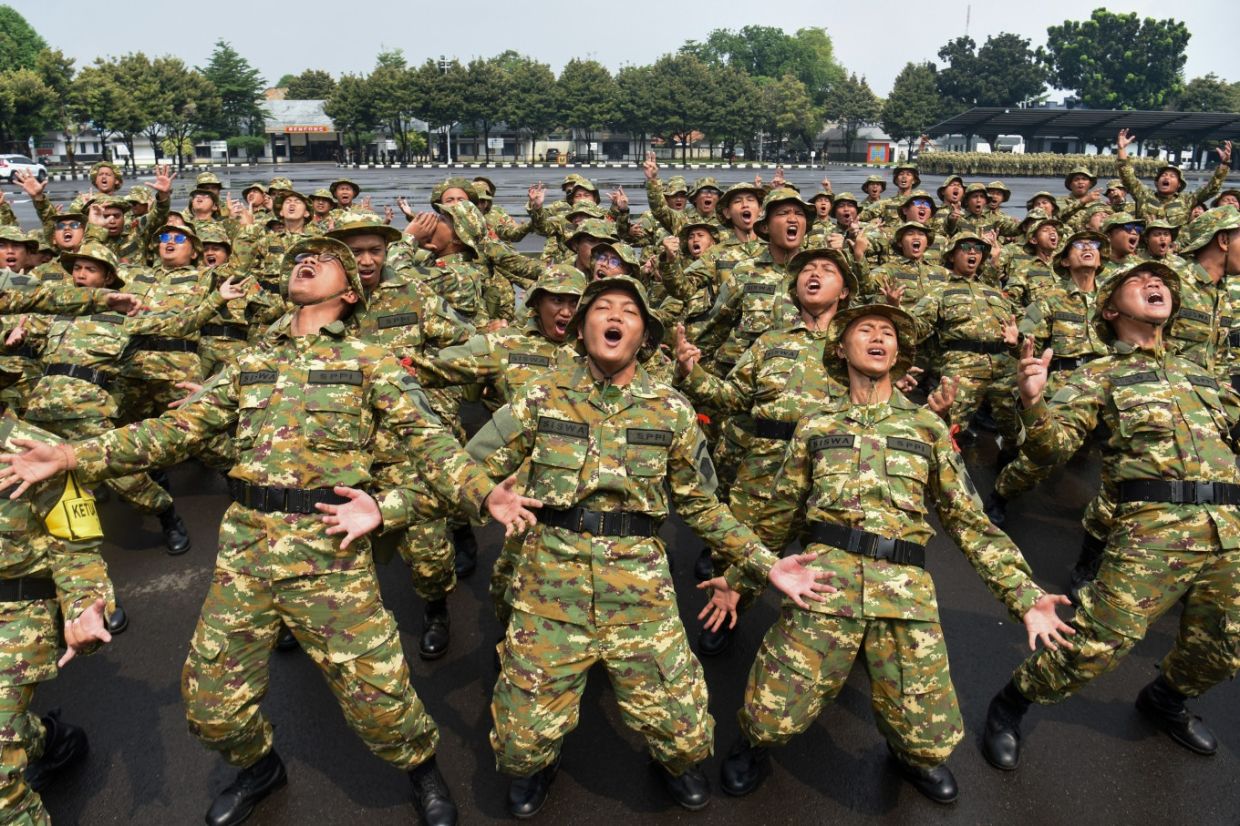
Four deaths occurring within days of a mandatory military-style training programme designed to prepare cooperative managers have ignited a significant controversy in Indonesia, raising acute questions about the suitability and safety protocols of the initiative championed by President Prabowo Subianto. The fatalities have emerged during the foundational phase of a 30-day basic military training course administered by the Defence Ministry's reserve component, affecting a cohort of more than 35,000 participants recruited to oversee the administration of the government's flagship Red and White Rural Cooperatives and fishing villages schemes.
The recent sequence of tragic incidents has unfolded with disturbing regularity. Anisa Muyassaroh succumbed to heat stroke while participating in training activities in Balikpapan, East Kalimantan, in the early part of the week. Within the same period, Yonanda Muhammad Taufiq experienced cardiac arrest following introductory exercises at a training facility in Baturaja, South Sumatra. A third fatality, involving Novia Rahmadhani Sihotang in Jakarta, was attributed by the ministry to complications associated with underlying tuberculosis triggered during the course. Most recently, Muhammad Rifqi Renaldi Gunawan died on Friday, June 26, after experiencing severe respiratory distress while training at an Air Force installation in Jakarta, notwithstanding subsequent hospitalisation and emergency intervention.
The Defence Ministry has acknowledged the gravity of the situation through its spokesperson, Brigadier General Rico Ricardo Sirait, announcing that a comprehensive audit of the programme's operations would proceed immediately. The review is intended to encompass strengthened health screening mechanisms, more effective identification of pre-existing medical conditions, improved participant monitoring systems, and refined emergency response procedures. This reactive posture, however, has done little to mollify critics who view the very structure of the programme as fundamentally problematic.
Human rights advocates have responded with particular severity to the deaths, characterising the military training component as counterproductive to the ostensible goals of cooperative development. Amnesty International Indonesia executive director Usman Hamid has called for an immediate termination of the military training element, arguing instead for its replacement with education centred exclusively on business administration and cooperative management principles. Beyond safety concerns, Hamid and his organisation contend that the militarised approach represents a troubling expansion of military authority into civilian governance structures, drawing uncomfortable parallels to Indonesia's New Order era, when the armed forces wielded extensive supervisory power across civilian institutions.
The ideological objection to the military training framework extends beyond immediate safety considerations. Cooperative movements, according to rights groups and development experts, are predicated upon democratic principles, consensus-building, and equitable decision-making structures—values fundamentally at odds with military hierarchy and command-based authority structures. Critics argue that imposing military discipline on cooperative managers introduces organisational frameworks incompatible with the theoretical foundations of the cooperative model itself, thereby undermining the integrity of institutions designed to function through collective participation rather than top-down direction.
Parliamentary oversight bodies have similarly registered alarm, though with somewhat more measured rhetoric focused on procedural improvement rather than wholesale programme termination. Commission I of the House of Representatives, the legislative committee responsible for defence oversight, has initiated close monitoring of the training initiative. Deputy chair Dave Laksono of the Golkar Party has acknowledged that while the training aims to cultivate discipline, leadership capacity, and nationalist sentiment among participants, the specific methodologies employed and emergency management systems require significant refinement to adequately protect trainee welfare.
Other legislators have emphasised the necessity of more rigorous pre-training health assessments. Imas Aan Ubudiyah, a member of the National Awakening Party serving on Commission I, has underscored the critical importance of thorough medical screening protocols to establish participant fitness before exposure to demanding physical activities. She advocates for comprehensive risk assessment frameworks, sustained medical supervision throughout the training period, and individualised evaluations of physical capacity prior to programme commencement. Such measures, Imas contends, should become structural components of the training curriculum rather than supplementary considerations.
The government's official position, articulated through Presidential Chief of Staff Dudung Abdurachman, has maintained that investigation into the deaths remains ongoing and that no evidence of administrative negligence has yet materialised. Abdurachman characterised the training regimen itself as relatively undemanding, suggesting instead that the fatalities may reflect undiscovered pre-existing health conditions or environmental factors not directly attributable to training design or conduct. Nevertheless, he conceded that subsequent iterations of the programme must incorporate enhanced safety prioritisation, implicitly acknowledging that existing safeguards have proven inadequate.
The timing and context of these deaths carry particular significance for Southeast Asian observers. Indonesia's cooperative sector represents a substantial segment of the rural economy, employing millions and providing essential services in agricultural production and distribution networks. The government's ambitious targets—establishing 80,000 cooperative units and 5,000 fishing villages by 2029—reflect recognition of the sector's developmental importance. However, the current controversy threatens to undermine both public confidence in the programme and its administrative capacity, as potential managers may be deterred by safety concerns.
The incident also reflects broader regional tensions surrounding militarisation of civilian governance structures. As democratic institutions across Southeast Asia face periodic strain, the degree to which military institutions extend their authority into civilian administrative spheres remains contested. Malaysia and other regional neighbours maintain their own cooperative development frameworks; the Indonesian experience offers cautionary lessons about the potential pitfalls of merging military organisational cultures with cooperative management requirements. The competence and safety record of such programmes will influence regional approaches to similar governance challenges.
Moving forward, the resolution of this controversy will depend substantially on whether the Defence Ministry implements substantive changes beyond rhetoric or merely conducts superficial procedural adjustments. The nature and rigour of the promised review will signal whether the government takes the underlying concerns seriously or intends to proceed with the existing framework despite acknowledged problems. For the thousands of remaining programme participants and the broader cooperative movement in Indonesia, the adequacy of safety reforms will determine whether this initiative achieves its developmental objectives or becomes remembered primarily for the preventable loss of life among its participants.

