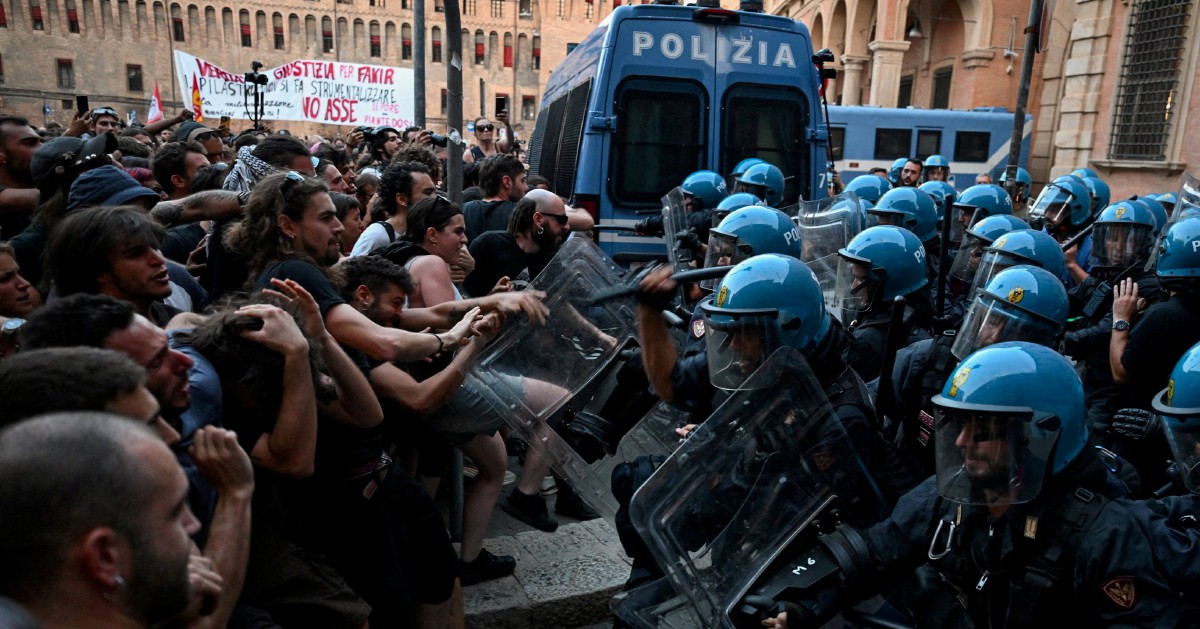
A Moroccan national's death during a police arrest in Italy has triggered both public unrest and diplomatic pressure, with Morocco's government demanding comprehensive answers and Italian Prime Minister Giorgia Meloni vowing to pursue the facts completely. The incident represents another flashpoint in European-North African relations during a period of heightened sensitivity over law enforcement practices and the treatment of migrant communities.
The death, which occurred during what authorities describe as an apprehension operation, has stirred significant public concern across Italian cities as demonstrators took to the streets to protest. The immediate circumstances surrounding the incident remain under investigation, though preliminary reports suggest the man experienced distress during the arrest process. Such incidents have become increasingly contentious in Italy, where questions about police conduct toward foreign nationals and migrants continue to generate heated debate among civil rights advocates and immigration reform campaigners.
Morocco's formal request for "full clarification" signals that the matter has already escalated beyond a local or national Italian issue into the realm of bilateral diplomacy. The North African kingdom, which maintains significant ties with European nations through trade, tourism, and security cooperation, has positioned itself to ensure that its citizens receive fair treatment and accountability. This diplomatic posture reflects broader tensions across the Mediterranean region where migrant deaths and incidents involving law enforcement have become increasingly scrutinised by both national governments and international human rights organizations.
Meloni's immediate public statement committing to uncover "the truth right to the end" represents an attempt by the Italian government to preempt criticism and demonstrate its commitment to transparency. Such declarations from senior officials carry weight in shaping public perception and international response, though observers note that the pace and thoroughness of investigations into police-involved deaths can vary considerably depending on political and social pressures. The Prime Minister's language suggests Rome recognizes the seriousness with which Morocco and other nations view such incidents.
The broader context for this incident involves Europe's complex relationship with immigration and policing. Italy, situated on the Mediterranean's threshold, absorbs significant migrant flows and has experienced considerable tension between communities, law enforcement agencies, and political leadership over how to manage both border security and the treatment of vulnerable populations. Incidents involving foreign nationals inevitably attract greater scrutiny than those involving domestic citizens, particularly when death results from police action.
For Malaysian readers and those across Southeast Asia, such developments carry relevance as numerous citizens work and reside abroad across Europe and North Africa. The incident underscores the importance of understanding how foreign legal systems handle sensitive matters involving nationals of other countries. Southeast Asian governments have similarly grappled with incidents involving their citizens detained overseas, making Morocco's diplomatic stance a recognisable approach to protecting national interests.
The protests that emerged following the death reflect not only the immediate tragedy but also accumulated frustrations regarding police accountability and immigration policies. Italian civil society has grown increasingly vocal about law enforcement practices, and incidents involving migrants or foreign nationals tend to galvanize broader coalitions concerned with human rights standards and institutional reform. These demonstrations serve as pressure points for both domestic and international attention.
Investigative procedures in such cases typically involve multiple layers: preliminary police inquiries, medical examinations, judicial review, and potentially international oversight depending on the diplomatic dimensions involved. Morocco's engagement ensures that external scrutiny accompanies Italy's internal examination, though the extent to which international pressure influences outcomes varies. The Italian judicial system, which operates on civil law principles distinct from common law jurisdictions, will ultimately determine the appropriate conclusions and any accountability measures.
The incident also reflects shifting European attitudes toward law enforcement accountability. Across the continent, from France to Germany to Scandinavia, similar incidents have prompted reforms in training, oversight mechanisms, and transparency requirements. Italy, as a major EU economy, faces implicit pressure to align with emerging standards around police conduct and accountability, particularly given the prominence of migration issues in national political discourse.
For business and diplomatic relations, such incidents introduce complications beyond the immediate humanitarian concerns. Morocco and Italy maintain trade relationships, tourism exchanges, and security cooperation frameworks that could face strain if investigations are perceived as inadequate or biased. Both governments have incentives to manage the situation transparently while avoiding excessive international scrutiny that might affect other bilateral arrangements.
The coming weeks will likely determine whether investigations proceed with visible progress toward public accountability, whether additional protests emerge as details unfold, and how Italy's government balances domestic political pressures with international diplomatic expectations. The outcome will influence not only Morocco's confidence in Italian institutions but also broader regional perceptions of how European nations handle sensitive matters involving citizens from North Africa and beyond.

