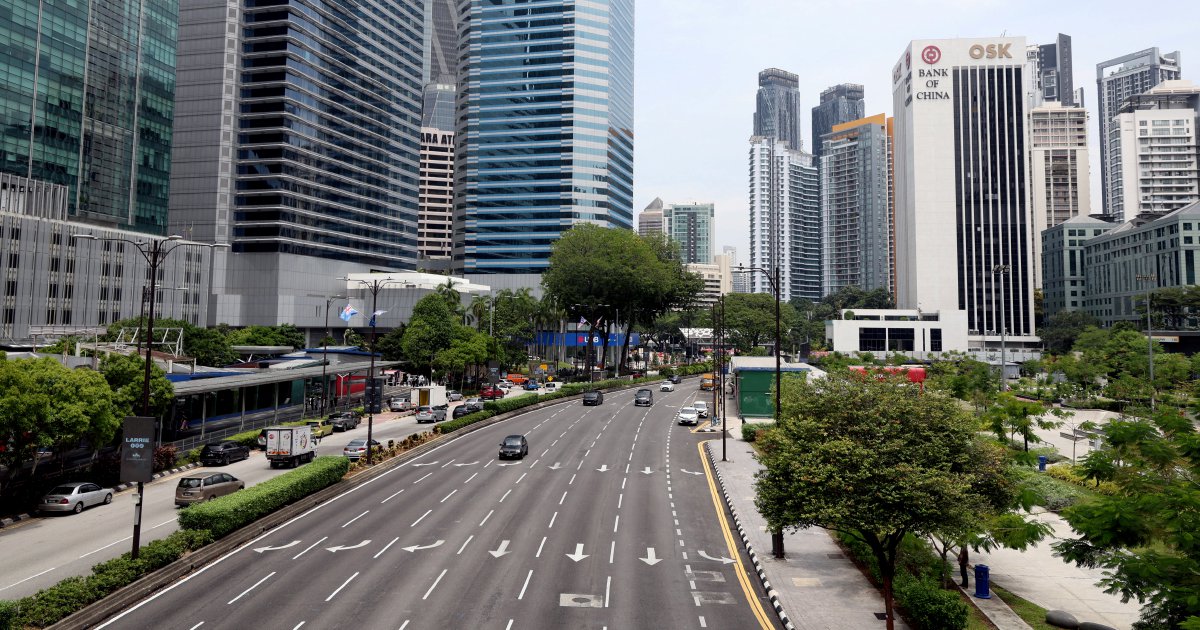
Kuala Lumpur City Hall (DBKL) has mobilised a technical investigation team and launched an inspection programme targeting ageing and potentially dangerous trees positioned along the capital's main arterial roads, following a deadly incident involving a falling tree.
The incident, which resulted in loss of life, has prompted authorities to adopt a more proactive approach toward urban tree management. The municipal administration recognises that while trees provide essential environmental benefits and shade in Malaysia's tropical climate, their structural integrity requires careful monitoring, particularly in urban settings where falling branches or entire specimens can pose serious risks to pedestrians and vehicles below.
DBKL's decision to conduct technical assessments reflects growing concerns about tree-related incidents in densely populated areas. Kuala Lumpur, with its high-rise developments interspersed with significant tree cover, presents unique challenges for municipal authorities. The city's mature trees, many of which have stood for decades, require specialised evaluation to determine their health status, root stability, and potential hazards. This technical examination will help distinguish between trees that can be preserved through remedial treatment and those requiring removal.
The inspection programme focuses on major roads where vehicular and pedestrian traffic is heaviest. These thoroughfares see constant movement of vehicles, motorcyclists, and foot traffic throughout the day, meaning any tree failure in these locations carries heightened consequences. By prioritising high-traffic corridors, DBKL aims to identify vulnerable specimens before incidents occur, potentially preventing future tragedies.
The systematic assessment of mature trees represents a significant undertaking for the municipal authority. Such inspections typically involve arborists and structural engineers examining factors including root condition, trunk stability, branch integrity, signs of disease, and overall structural soundness. Trees weakened by fungal infections, pest damage, or environmental stress may appear healthy on the surface while harbouring serious internal compromises. The technical investigation will likely incorporate both visual assessment and, where necessary, more advanced diagnostic techniques to evaluate tree health accurately.
From a Southeast Asian perspective, this proactive stance by DBKL offers important lessons for other regional cities facing similar challenges. Urban tree management remains underfunded and underemphasised in many parts of the region, despite rapid urbanisation increasing the number of people exposed to tree-related hazards. Malaysia's tropical climate, with its high rainfall and strong wind conditions during monsoon seasons, creates particular stresses on urban tree populations, making regular maintenance and strategic removal essential components of urban safety infrastructure.
The financial implications of comprehensive tree inspection and management programmes can be substantial, and municipal authorities must balance budgetary constraints against public safety imperatives. However, the cost of preventative maintenance is invariably lower than costs associated with incident response, emergency medical services, property damage claims, and potential legal liability following fatal accidents. This economic reality underscores the necessity of DBKL's initiative and may encourage similar investments by local authorities elsewhere.
The inspection programme also highlights the importance of adequate record-keeping and maintenance schedules. Many municipalities in the region operate without comprehensive databases of their urban tree populations, making it difficult to implement systematic monitoring. DBKL's initiative provides an opportunity to establish or strengthen such records, documenting the location, species, age, and health status of significant specimens. Such information becomes invaluable for planning future maintenance, prioritising removal or treatment decisions, and responding to public inquiries or complaints.
Public awareness represents another critical dimension of this initiative. Residents and road users in Kuala Lumpur should understand that tree inspections and removals reflect safety considerations rather than arbitrary municipal decisions. Communication from DBKL explaining the criteria for assessment and removal decisions can build public support for necessary actions and reduce resistance to removal of trees that pose genuine hazards.
The incident also raises questions about training and expertise within municipal systems. Effective tree management requires qualified arborists and technicians capable of making accurate diagnoses and implementing appropriate solutions. DBKL's technical investigation team presumably comprises professionals with relevant expertise, but the broader Malaysian municipal sector may benefit from increased investment in training programmes and professional certification standards for personnel managing urban vegetation.
Looking forward, DBKL's inspection programme should establish regular monitoring cycles to ensure that trees identified as safe remain so, and that newly planted specimens receive appropriate care. Urban tree management cannot be a one-time exercise but requires ongoing commitment and investment. The capital's residents and countless daily visitors depend on municipal authorities maintaining safety standards across public spaces, and trees represent a significant component of that responsibility that deserves comparable attention to road maintenance, drainage systems, and other traditional infrastructure elements.

