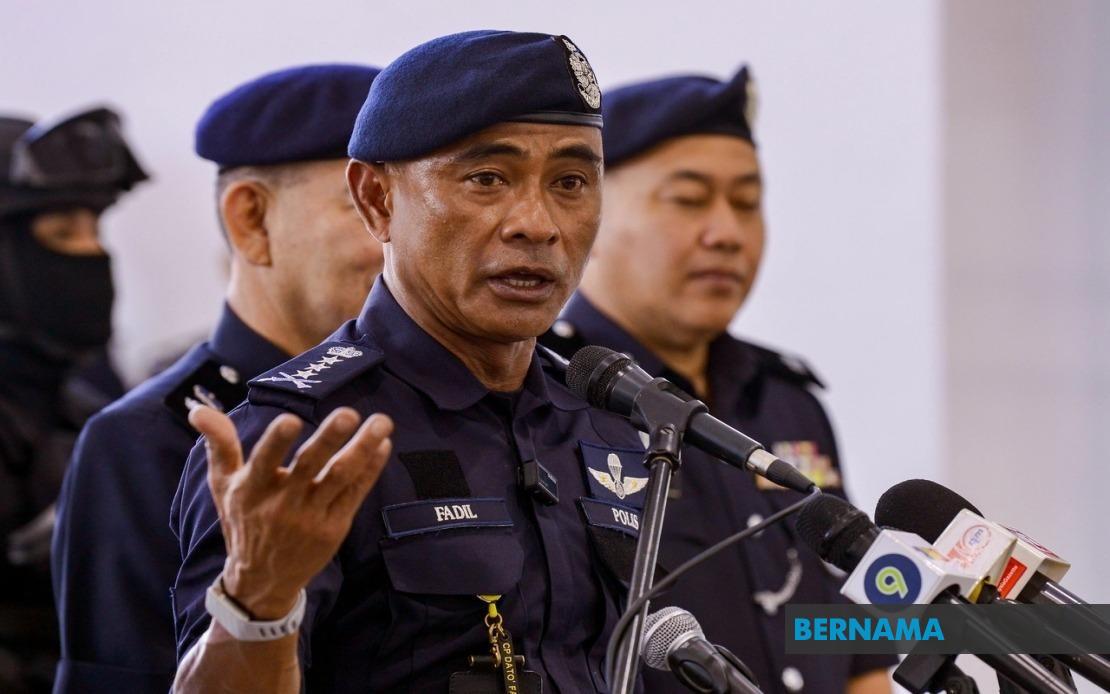
The Kuala Lumpur police force has positioned itself at the forefront of a landmark civic gathering, organising a live public screening of the FIFA World Cup 2026 final at Dataran Merdeka in the early hours of Monday morning. The event represents a deliberate attempt to transform a moment of global sporting excitement into a vehicle for promoting social cohesion among Malaysia's diverse population. Datuk Fadil Marsus, the city's police chief, disclosed the plans at a press conference following a commemorative Fun Run Unity Merdeka event held at the same iconic venue today, signalling an ambitious civic undertaking that extends well beyond mere entertainment.
The screening initiative forms a cornerstone element of the broader Unity Merdeka programme, which commenced yesterday and will continue through Sunday. This collaborative endeavour brings together the Kuala Lumpur police department with 16 separate government ministries, reflecting the scale of institutional coordination underpinning the initiative. The fundamental objective driving the programme is to strengthen a sense of shared belonging across Malaysia's multi-ethnic communities, a goal that resonates particularly during periods when national symbols and gathering spaces come into focus. The programme operates under the conceptual framework of Diversity United, Wellbeing Preserved, encapsulating aspirations for inclusive national development.
Organisers are projecting unprecedented attendance figures for the World Cup final broadcast, with officials hoping to attract as many as 300,000 people to congregate at Dataran Merdeka simultaneously. This ambitious target reflects confidence in the drawing power of international football combined with the symbolic appeal of the nation's historic heart. The police chief explicitly referenced the potential for this gathering to secure recognition in the Malaysia Book of Records, suggesting that achieving record-breaking crowd numbers has become an integral part of the programme's success metrics. Such aspirations underscore how public spectacles increasingly serve dual purposes in contemporary Malaysia, functioning simultaneously as entertainment platforms and vehicles for registering national achievements.
The activities programme commences at 8 pm on Monday, building anticipatory momentum leading towards the final match broadcast in the early morning hours. This temporal sequencing allows organisers to sustain audience engagement through multiple hours of supplementary entertainment and interaction before the World Cup final itself becomes the centrepiece attraction. The extended programming approach recognises that attendance at such events involves time commitments that warrant compensation through comprehensive entertainment offerings rather than a single focal point.
Preceding the World Cup screening, the Fun Run Unity Merdeka event demonstrated tangible community participation in the broader initiative. Approximately 2,000 individuals participated in the five-kilometre running event, which was conceptualised as a mechanism for strengthening relationships between the police institution and residents of the capital city. The participation of Kuala Lumpur deputy police chief DCP Datuk Mohd Azani Omar, alongside 16 members of the Crime Journalists Association, illustrated the breadth of stakeholder involvement in these coordinated activities. Such inclusive participation patterns serve to legitimise the police force's role in civil society mobilisation while demonstrating institutional engagement with community concerns.
The Unity Merdeka programme incorporates an exceptionally diverse portfolio of activities spanning welfare initiatives, artistic performances, educational components, religious activities, family-oriented entertainments, and general recreational programming. This multifaceted approach ensures that the gathering appeals to demographic segments ranging from young children to elderly citizens, effectively positioning the event as an intergenerational community occasion. The deliberate breadth of programming suggests recognition that sustainable public participation requires diverse offerings accommodating varying interests and preferences.
Government and security agencies have committed substantial institutional resources to the programme, establishing exhibitions and interactive booths featuring representatives from the Royal Malaysia Police, Malaysian Armed Forces, Fire and Rescue Department, and Ministry of Health. These institutional presences transform the gathering into a platform for civilians to interact directly with security and administrative agencies, creating informal communication channels that might otherwise remain inaccessible. Such arrangements facilitate public familiarity with government institutions while simultaneously allowing agencies to conduct outreach and awareness activities.
The concentration of this programming at Dataran Merdeka carries particular symbolic weight, as the location represents Malaysia's pre-eminent national space and site of historical significance. The deployment of major state-sponsored activities to this location reinforces its status as the primary venue for expressions of national identity and collective gathering. For international observers, the staging of World Cup viewings at such symbolically laden locations demonstrates how Southeast Asian nations integrate global sporting events into frameworks of national consolidation and community mobilisation.
From a Malaysian perspective, the initiative reflects evolving approaches to public assembly and community engagement in an era of digital fragmentation. Rather than assuming that shared interest in international football automatically generates collective experience, organisers have explicitly designed institutional frameworks and physical gathering spaces to transform individual viewership into communal participation. This recognition that technological capability for distributed viewing requires complementary investments in shared physical spaces represents a deliberate counter-movement to atomising digital consumption patterns.
The World Cup 2026 final screening will occur approximately one and a half years into the future, suggesting that this announcement simultaneously serves promotional and planning functions. By announcing the initiative well in advance, organisers create opportunity for sustained public interest and allow sufficient time for comprehensive logistical preparation. The considerable distance between announcement and actual event execution also permits iterative refinement of planning processes based on feedback and operational experience from preceding Unity Merdeka activities.

