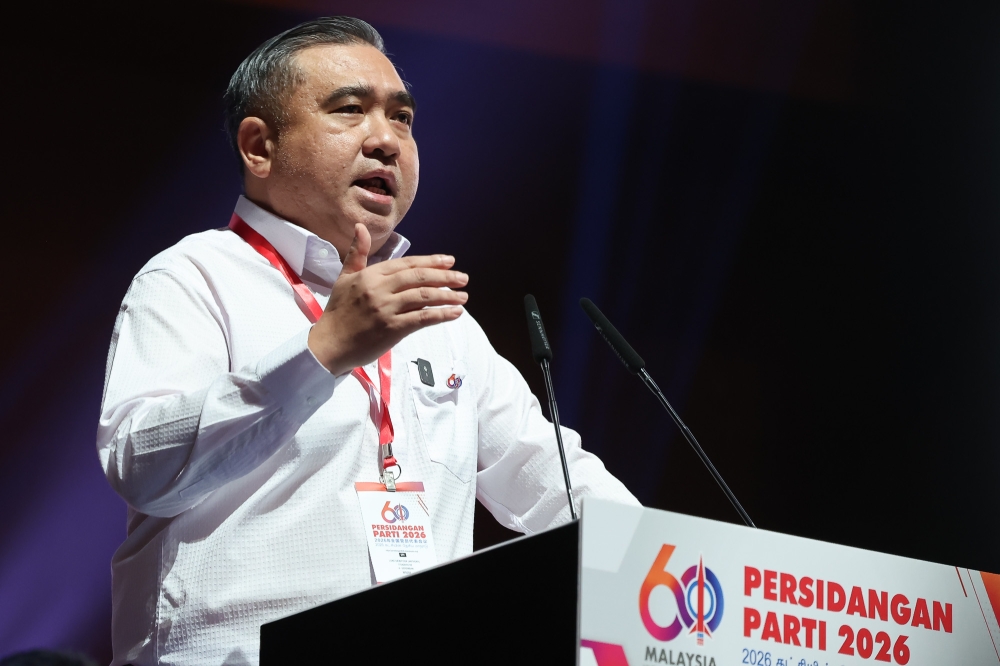
The Democratic Action Party has thrown its full weight behind Prime Minister Datuk Seri Anwar Ibrahim's push to dismantle the AUKU, signalling broad coalition agreement on one of the government's most contentious legislative priorities. Transport Minister Anthony Loke, speaking in Putrajaya on behalf of the party, confirmed DAP's steadfast commitment to the measure while simultaneously widening the debate to encompass far-reaching reforms across Malaysia's entire legal architecture.
The AUKU, formally known as the Anti-Defamation (Universities and University Colleges) Act, has long been a flashpoint for civil liberties advocates and student activists who view it as a relic of colonial-era restrictions that stifles academic freedom and curbs political expression on campuses. Its abolition aligns with DAP's longstanding ideological position favouring open discourse and reduced restrictions on university communities, making the support unsurprising yet symbolically significant given that Anwar's administration requires broad parliamentary consensus to enact constitutional changes. Loke's emphasis on DAP's "100 per cent" backing reflects the party's confidence that the initiative enjoys adequate support within the coalition government, despite potential resistance from more conservative voices.
However, Loke's remarks transcended simple endorsement of the AUKU abolition plan. He articulated a position that the removal of this single legislation, while necessary, remains insufficient to address the cumulative effect of restrictive laws accumulated over decades. This framing transforms what might have been narrowly focused institutional reform into a broader conversation about Malaysia's legal landscape and the balance between national security considerations and individual freedoms. For Malaysian observers tracking the government's reform agenda, this signals that the coalition may be contemplating a more ambitious overhaul than publicly acknowledged.
The Transport Minister's call for reforms extending beyond AUKU abolition points toward scrutiny of other statutes that civil society groups have long challenged. Laws such as the Sedition Act, the Official Secrets Act, and various state-level ordinances regulating assembly and expression have generated sustained criticism from human rights organisations both domestically and internationally. Malaysia's regional standing in governance and press freedom indices has suffered partly due to perception that these laws create chilling effects on democratic participation. By linking AUKU abolition to broader legal reform, Loke positions the government as potentially serious about systemic change rather than performing incremental gestures.
For university communities across Malaysia, the anticipated removal of AUKU carries immediate practical implications. Student unions would regain organisational capacity currently constrained by the law's prohibitions on political activities and partisan engagement. Academic staff would operate in an environment with reduced legal jeopardy when discussing sensitive political topics or facilitating student discourse. Universities like the University of Malaya and Universiti Kebangsaan Malaysia, which have experienced notable student activism over recent years, would see transformed campus cultures. However, institutional inertia and administrative practices established under AUKU's long tenure may persist even after legislative repeal, requiring deliberate efforts to reshape university governance and institutional policies.
The timing of DAP's full-throated endorsement reflects current political calculations within the coalition government. With Anwar's administration navigating competing demands from coalition partners including PKR, Amanah, and other component parties, securing visible support from a major Chinese-majority party strengthens his hand in advancing constitutional amendments. AUKU abolition requires supermajority parliamentary support, making coalition cohesion essential. DAP's public commitment provides political cover and demonstrates to reform-minded constituencies that significant legislative change remains possible within Malaysia's institutional framework.
Yet the juxtaposition of enthusiastic support with demands for deeper reforms also reveals underlying tension within the coalition's reform agenda. Different parties envision different scopes and speeds for legal transformation. While Loke speaks ambitiously about comprehensive reform, implementation logistics present formidable obstacles. Consulting with state governments, managing parliamentary procedure, and addressing concerns from law-and-order constituencies all require careful political management. The gap between rhetorical ambition and legislative reality may prove substantial.
Regionally, Malaysia's movement on civil liberties legislation has become increasingly relevant as Southeast Asian democracies grapple with balancing security imperatives against fundamental freedoms. Thailand's strict lèse-majesté laws and Vietnam's sweeping restrictions on expression demonstrate alternative regional approaches. Singapore's more controlled civil space presents a contrasting model that some Malaysian policymakers reference. Malaysia's potential trajectory toward genuine liberalisation would position it distinctly within the regional context and potentially influence how other ASEAN members approach similar questions.
The parliamentary mechanics of AUKU abolition remain complex despite broad political support. Constitutional amendments require two-thirds majorities, and opposition politicians may condition their support on unrelated legislative priorities. The government must also manage public messaging, as security concerns and concerns about campus stability influence public opinion. Framing abolition as part of broader legal modernisation rather than capitulation to activist demands may prove essential for maintaining parliamentary support while advancing reform.
Looking forward, Loke's articulation of DAP's position establishes benchmarks for assessing government seriousness about legal reform. If subsequent parliamentary sessions witness concrete steps toward additional legislative liberalisation, the party's call for comprehensive change gains credibility. Conversely, if AUKU abolition proceeds in isolation without broader movement on other restrictive statutes, observers may conclude that coalition partners contain their ambitions within narrower bounds than rhetoric suggests. The coming months will clarify whether Malaysia's government intends genuine legal transformation or more measured adjustment to an inherited statutory framework.

