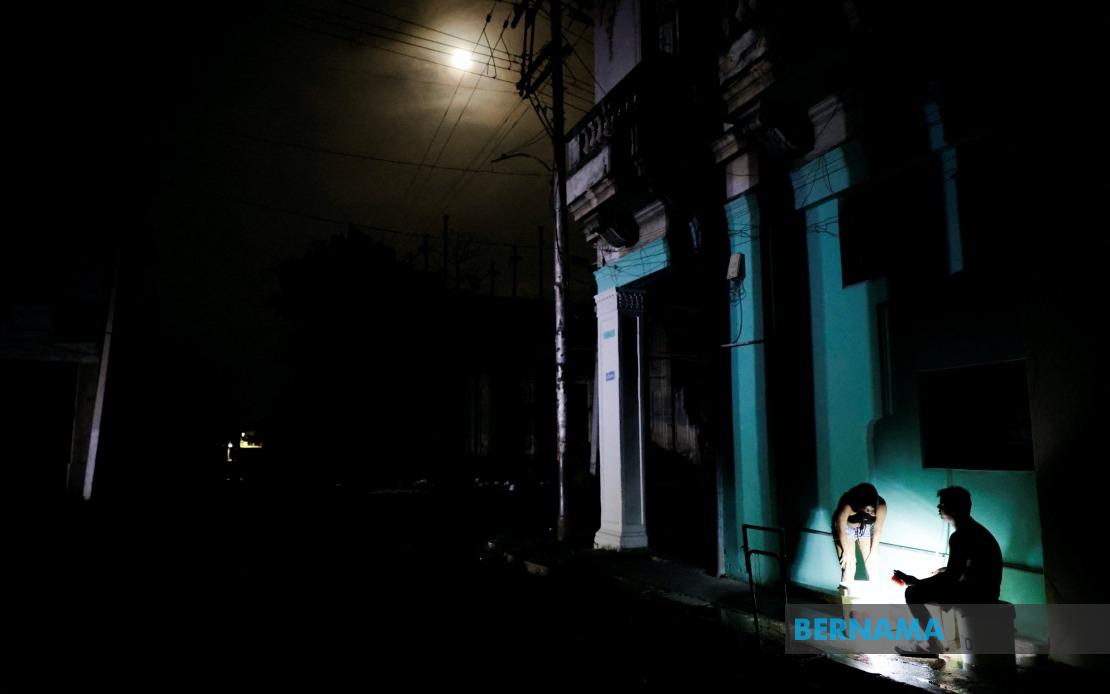
Cuba's beleaguered electrical system has failed once again, triggering a complete nationwide blackout that underscores the deepening energy crisis gripping the Caribbean island nation. The state-owned electricity utility confirmed on Sunday that the national power grid had catastrophically collapsed, leaving millions without electricity and further exposing the chronic vulnerabilities within Cuba's aging energy infrastructure.
This latest outage represents the first major blackout recorded during August, yet it arrives on the heels of three separate nationwide power failures that occurred throughout July. The pattern of recurring grid failures highlights not merely temporary technical difficulties but rather systemic dysfunction that has become increasingly difficult to manage or predict. Each successive blackout places additional strain on essential services ranging from hospitals to water supply systems, creating a compound effect that degrades living conditions across the island.
For ordinary Cubans, the cascading blackouts have fundamentally altered daily existence. Without reliable electricity, residents have adapted to an uncertain rhythm of power availability, timing critical household activities such as cooking, laundry, and bathing to coincide with periods when electricity flows. Internet access—crucial for communication, work, and information—becomes available only sporadically. The summer heat makes cooling homes an urgent necessity, yet air conditioning remains an impossible luxury when power supply cannot be guaranteed. This precarity has become normalized, with families strategizing around blackout schedules rather than assuming continuous access to power.
The immediate cause of this specific grid collapse remained unclear, with utility authorities providing no explanation for the failure. This lack of transparency mirrors broader communication gaps that have characterized Cuba's handling of the energy crisis, leaving citizens and international observers largely uninformed about whether infrastructure problems stem from fuel shortages, equipment failures, maintenance deficits, or some combination thereof. Understanding causation would be essential for developing credible recovery strategies, yet such clarity has been conspicuously absent.
The broader context reveals an economy under considerable duress. Cuba's energy sector has long struggled with outdated infrastructure and limited access to fuel imports, challenges that have been exacerbated by geopolitical tensions and economic isolation. The government has faced mounting pressure to address shortages that extend far beyond electricity, affecting fuel supplies, food availability, and medical resources. Against this backdrop, energy grid failures represent not isolated incidents but symptoms of deeper structural problems within the Cuban economy.
In response to mounting pressure, the Cuban government has begun introducing market-oriented reforms intended to strengthen the energy sector and stimulate economic activity more broadly. Prime Minister Manuel Marrero Cruz announced in July that authorities had greenlit the nation's first foreign investment venture specifically designed to facilitate fuel imports and sales. This represents a significant policy shift for a government traditionally resistant to foreign capital involvement. The move signals recognition that domestic resources alone cannot solve the energy shortage without external assistance.
Parallel to energy sector reforms, the government has authorized approximately 200 businesses to operate as wholesale fuel distributors, effectively decentralizing fuel sales and distribution away from purely state control. These wholesale operations could theoretically improve supply chain efficiency by allowing multiple actors to engage in distribution networks. Additionally, lawmakers have approved measures inviting private investment within the tourism industry, suggesting a broader liberalization strategy aimed at generating foreign exchange earnings that could be redirected toward critical imports including fuel.
Yet Marrero's own cautionary language regarding these reforms carries significant implications. His statement that results would emerge gradually, and that authorities were entering the most important and perhaps most difficult phase of implementation, suggests tempering expectations for rapid improvement. The government has implicitly acknowledged that restructuring an economy and modernizing energy infrastructure cannot occur overnight, requiring sustained political will and international cooperation over months or potentially years.
For regional observers including Malaysia and other Southeast Asian nations, Cuba's energy travails offer instructive lessons regarding infrastructure vulnerability and the consequences of allowing essential systems to deteriorate beyond critical thresholds. Southeast Asian governments that have invested heavily in diversifying energy sources and modernizing grid infrastructure have generally avoided the cascading blackouts afflicting Cuba. The Cuban experience underscores how energy security demands continuous investment, technological modernization, and adaptability to changing circumstances.
The international implications also warrant attention. Cuba's difficulties may influence how other nations view energy dependencies and the risks inherent in relying on single suppliers or outdated technologies. Countries throughout the developing world wrestling with similar infrastructure challenges will observe whether Cuba's market-oriented reforms successfully stabilize the power grid and what timeline proves necessary for measurable improvement. Success or failure in Havana could inform policy debates elsewhere regarding the role of foreign investment, private sector participation, and market mechanisms in addressing infrastructure crises.

