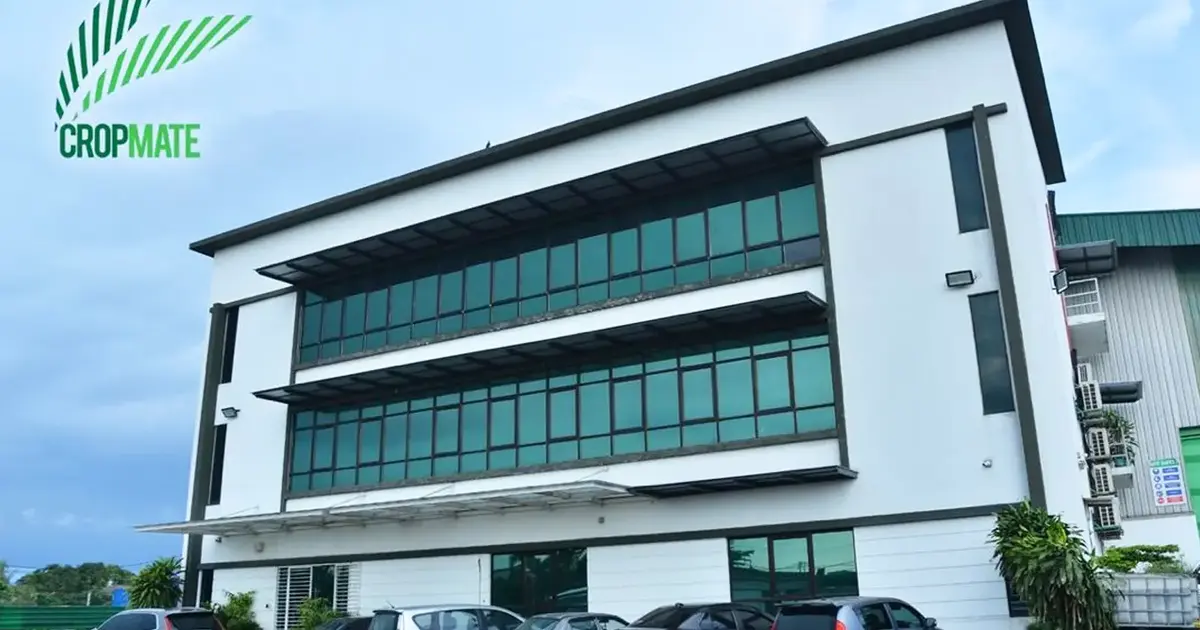
Cropmate, a fertiliser manufacturer operating in Malaysia, has announced a significant development in its financial situation with the unfreezing of its previously restricted bank accounts. The move represents a resolution to what had been a considerable operational constraint for the agrochemical company, allowing it to resume normal banking operations and financial transactions that are essential for any manufacturing enterprise.
The company's statement explicitly clarified that none of its workforce, ranging from ordinary staff to senior management and board members, have been subjected to arrest or formal charges at any stage of the matter. This assurance from Cropmate addresses potential concerns that stakeholders—including employees, suppliers, customers, and investors—may have harboured regarding the personal legal jeopardy of the company's leadership and personnel during the period when accounts remained frozen.
Banking restrictions typically impose severe operational constraints on companies. When accounts are frozen, even solvent businesses struggle to meet payroll obligations, settle supplier invoices, purchase raw materials, and maintain working capital requirements. For a fertiliser manufacturer, such constraints are particularly damaging given the sector's dependence on consistent supply chains and timely delivery schedules to agricultural customers across Malaysia and the region. The ability to access funds again represents not merely a technical banking adjustment, but a restoration of the company's capacity to function in its core market.
The context of account freezing usually involves regulatory investigation or law enforcement scrutiny, though the specific triggers and authorities involved in Cropmate's case remain to be fully detailed. In Malaysia's agricultural and chemical sectors, such investigations might relate to compliance matters, environmental regulations, import-export procedures, or financial reporting standards. The absence of formal charges against individuals suggests either that the inquiry has concluded without grounds for prosecution, or that the investigative phase has been substantially completed with a determination that no criminal intent or deliberate wrongdoing is evident.
For Malaysian agricultural stakeholders, Cropmate's operational normalisation carries practical implications. Fertiliser supply chains are critical infrastructure for the nation's food security and farming economy. When major suppliers experience operational disruption, it can ripple through planting seasons, affecting smallholder farmers, plantation operations, and domestic food production. The company's return to full banking functionality should contribute to stabilising fertiliser availability in the local market.
The fertiliser sector in Malaysia operates within a tightly regulated framework, with authorities monitoring product quality, import compliance, and proper distribution channels. Companies like Cropmate serve as intermediaries between international suppliers and thousands of local farmers who depend on reliable, affordable inputs. Extended restrictions on any significant player in this sector create vulnerabilities that can force customers to seek alternative suppliers, potentially at higher cost or with product quality concerns.
Cropmate's clearing of legal concerns also has implications for investor confidence in Malaysian agribusiness. Foreign and domestic investors monitoring the regulatory environment will interpret this outcome as evidence of a functioning judicial and administrative system that distinguishes between investigative scrutiny and actual wrongdoing. This distinction is important for maintaining the investment climate in sectors deemed strategic to the nation's economic development and food security.
The fertiliser industry contributes meaningfully to Malaysia's agricultural productivity, whether serving the traditional plantation sector, modern commercial farms, or smallholder operations. Cropmate's restoration to normal operations should strengthen the competitive landscape by restoring a functioning supplier, which benefits customers through maintained competition and choice rather than monopolistic or oligopolistic pressure from fewer operational vendors.
Looking forward, the company's leadership will likely focus on rebuilding confidence among customers who may have shifted purchases to competitors during the disruption period. Demonstrating consistent compliance, transparent operations, and reliable delivery will be essential for recovering market position. For the broader Malaysian agribusiness ecosystem, Cropmate's resolution underscores the importance of regulatory clarity and timely communication during periods of uncertainty, as prolonged ambiguity creates market inefficiencies that ultimately disadvantage farmers and agricultural enterprises across the supply chain.

