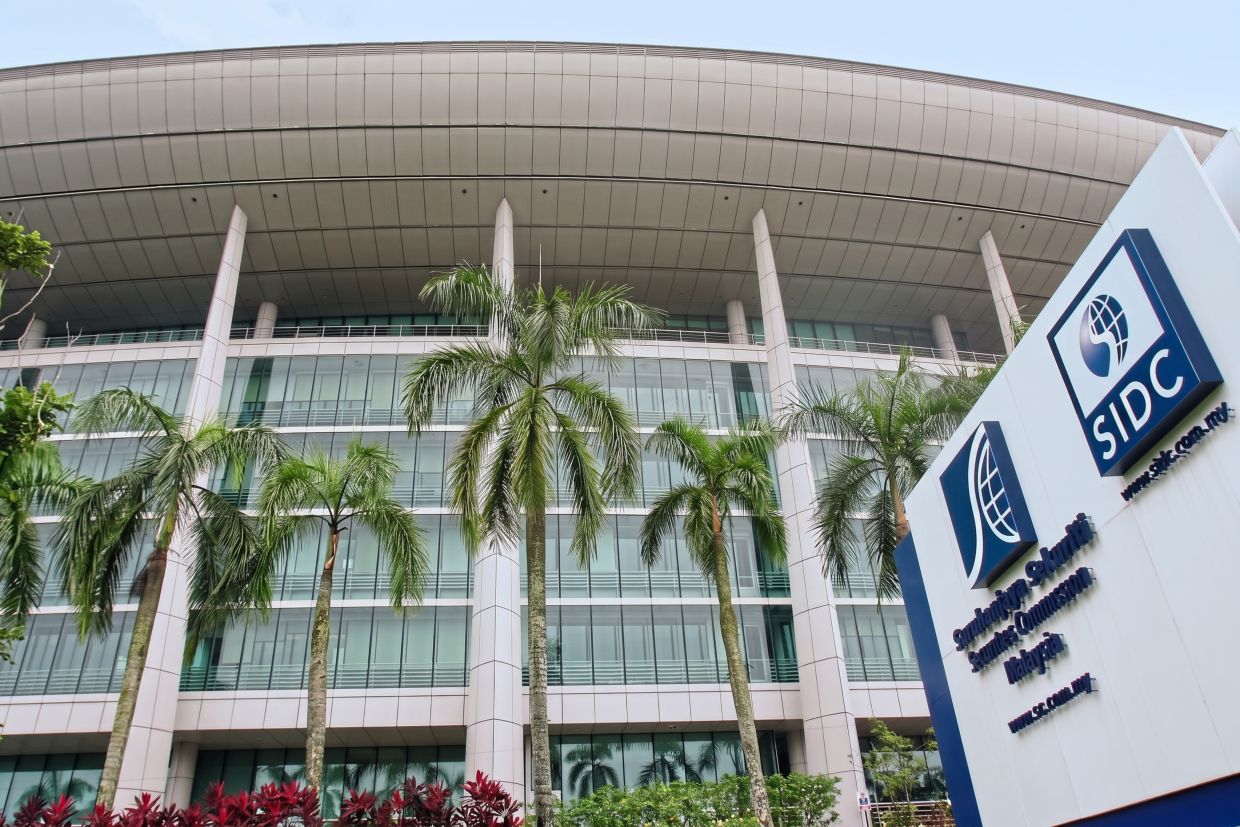
Malaysia's financial markets regulator has secured a decisive legal victory in its long-running battle against insider trading, with the Court of Appeal unanimously upholding a High Court judgment from 2022 that found former WCT Bhd deputy managing director Goh Chin Liong and Ara Holdings Sdn Bhd director Leong Ah Chai guilty of market misconduct. The appellate court's decision to dismiss both defendants' appeals without finding any reversible error underscores the strength of evidence presented by the Securities Commission Malaysia and reinforces the judiciary's commitment to policing capital market violations.
The case represents a significant enforcement milestone for Malaysia's financial regulatory framework, demonstrating that even high-ranking corporate executives cannot escape liability for exploiting confidential information to gain unfair trading advantages. Goh and Leong must each pay RM2.5 million in disgorgement of losses avoided through their unlawful trading, along with RM300,000 in civil penalties and RM75,000 in legal costs to the SC. The combined judgment sum of RM5.83 million reflects the seriousness with which appellate judges view attempts to manipulate the securities market through insider knowledge.
The underlying facts of the case reveal a textbook example of how confidential corporate information can travel through informal channels to benefit connected parties. Between January 2 and 5, 2009, Leong orchestrated the disposal of 1.64 million WCT shares held in Ara Holdings' trading account, acting on material non-public information that Goh, as deputy managing director, had conveyed to him. This information concerned the imminent cancellation of a significant contract for constructing a racecourse in Dubai, a project that WCT had undertaken as part of a joint venture with Arabtec Construction LLC. By selling shares before the market learned of this development, Leong avoided losses that would have been incurred had he held the shares through the price-depressing announcement.
The SC's original civil action against both defendants, filed in 2015, rested on alleged breaches of sections 188(2) and 188(3) of the Capital Markets and Services Act 2007, provisions that specifically prohibit insiders from trading on material non-public information or communicating such information to others for trading purposes. The High Court judge, after conducting a comprehensive trial, found the regulatory authority's evidence sufficiently compelling to establish liability. This judgment withstood appellate scrutiny, with the Court of Appeal finding no grounds to overturn the trial findings or the reasoning that underpinned them.
The enforcement process has extended well beyond the initial judgment, reflecting the practical challenges regulators face in securing compliance from defendants. In May 2026, the SC achieved a significant intermediate victory when the High Court reinstated garnishee orders against Goh and Leong following a successful SC appeal. These garnishee procedures represent the enforcement mechanism through which the SC can recover the RM5.83 million judgment sum by intercepting funds or assets in the defendants' possession held by third parties. The appellate ruling now clears the path for the SC to proceed with recovery actions, moving from establishing legal liability to ensuring actual restitution.
This case illuminates the persistent vulnerabilities within corporate governance structures that allow senior executives to profit from material information before public disclosure. WCT's Dubai racecourse project represented a substantial corporate undertaking, and its cancellation would materially impact the company's prospects and share price. That a deputy managing director could communicate confidential details about such a significant development to an associate, who then executed a substantial share disposal, points to control gaps that extend beyond individual misconduct to encompass institutional supervision.
For Malaysian investors, the Court of Appeal's decision carries reassuring implications about the regulatory vigilance applied to insider trading detection and prosecution. The multi-year journey from initial filing to final appellate judgment demonstrates that financial regulators possess both the investigative capability and legal resources to pursue complex cases through the court system. The fact that the SC succeeded at trial level and then again in appellate proceedings signals that insider trading cases, once properly prepared, can withstand rigorous judicial scrutiny.
The SC's statement accompanying the ruling emphasised that insider trading represents a fundamental threat to market integrity by creating information asymmetries that favour those with privileged access while disadvantaging the general investing public. When market participants cannot trust that prices reflect all publicly available information, confidence in the fairness of securities markets erodes. This deterioration of investor confidence carries broader economic consequences, potentially deterring both domestic and foreign capital formation activities. The appellate judgment thus transcends the specific case to affirm broader principles that underpin orderly capital market functioning.
Looking forward, the SC has signalled its intention to pursue further enforcement actions against market misconduct, positioning this appeal outcome as a warning to potential violators. The regulator's continued commitment to enforcement actions demonstrates that Malaysia's securities regulatory regime possesses teeth and will deploy them against breaches regardless of the status or position held by the violator. For Malaysian executives in listed companies and substantial shareholders, the judgment serves as a potent reminder that access to material non-public information carries accompanying legal responsibilities that extend beyond corporate loyalty to encompass market-wide obligations.
The recovery phase now commences, presenting its own procedural complexity as the SC works to extract the judgment sum from defendants who have had years to potentially restructure their assets. The garnishee orders provide one mechanism, but full recovery may require persistence and potentially further litigation if defendants prove reluctant in meeting their obligations. Nonetheless, the appellate affirmation has eliminated legal obstacles to enforcement, and the SC can now proceed without fear that subsequent appeals will overturn the judgment or suspend its execution.

